What Are Insulated Screwdrivers Used For?
Insulated screwdrivers are used for electrical work, such as tightening terminal screws in outlets, switches, breaker panels and fixtures, where the tool could touch a conductor. Their coated handle and shank add a layer of protection against shock and short circuits. Only tools that state a voltage rating and certification marking count as insulated, and even those do not make live work safe for beginners.
 SUNHZ MCKP YMX022Best overall
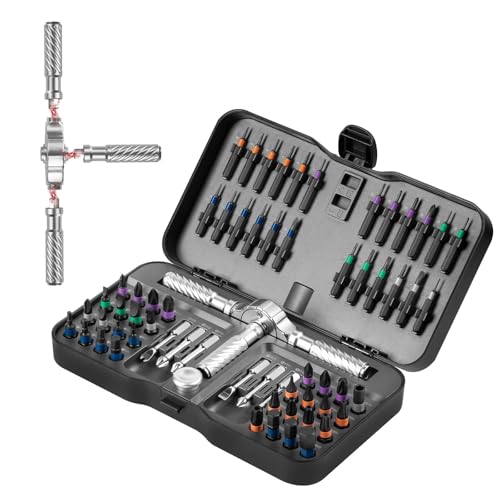 VMAN VMAN-66IN1
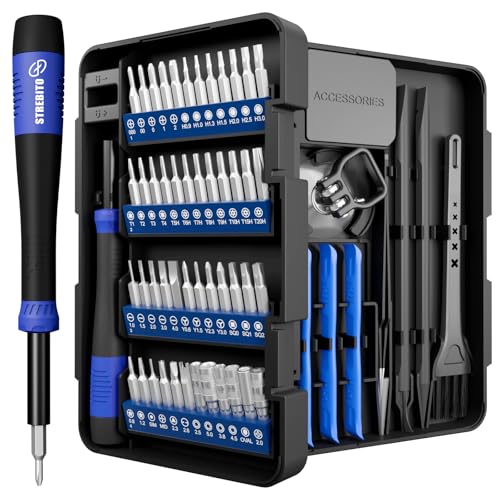 STREBITO Broad electronics repair kit
What "insulated" actually means
An insulated screwdriver has a non-conductive coating or sleeve over the handle and most of the metal shank. Only the tip is left bare, so it can still grip the screw. The insulation is meant to keep current from traveling up the tool into your hand and to stop the shank from bridging two conductors by accident.
The word is not just a description of a rubber grip. A properly insulated tool carries a voltage rating and a certification marking on the handle or shank. A soft, cushioned handle is made for comfort and control, and it does not protect you from electricity.
That difference matters when you shop. Our best insulated screwdriver set page makes the same point: if a listing does not state a rating, assume the tool is not rated for live electrical work.
What insulated screwdrivers are used for
Insulated screwdrivers belong anywhere your hands and a metal tool will be close to electrical parts. Most of the work falls into a few jobs.
- Opening and closing electrical panel covers and junction boxes.
- Tightening or loosening terminal screws on outlets, switches and dimmers.
- Working on light fixtures, ceiling fans and appliance wiring after the power is off.
- Securing wires in breakers and terminal blocks, where a slip could touch a neighboring part.
- Automotive and equipment work near batteries or control circuits, where a dropped or slipping tool could cause a short.
Why use one if you should turn the power off first
The standard advice is to switch off and verify that power is dead before you touch anything. That advice is correct, and insulated tools do not replace it. They are a second layer of protection for the moments when something goes wrong.
A breaker may be labeled wrong. A neighboring circuit may still be live in the same box. A wire may be fed from a second source. In those cases an insulated shank limits what a slipping tool can touch. Professionals who must work near energized parts rely on rated tools together with proper training and other protective gear.
If you are a beginner, treat insulated tools as backup, not as permission to work on live circuits.
Insulated, standard and precision screwdrivers compared
Not every screwdriver in a kit does the same job. Many popular sets are built for small electronics, and that is a different purpose from household wiring. The table below shows how the types differ in general terms.
| Type | Typical use | Electrical protection |
|---|---|---|
| Rated insulated screwdriver | Panels, outlets, switches, fixtures | Voltage rating and certification marking on the tool |
| Standard screwdriver | General household and furniture tasks | None, bare metal shank |
| Precision electronics driver | Phones, laptops, consoles, glasses | None unless the maker states a rating |
| Cushion grip driver | Comfortable use on any screw | Comfort only, not protection |
What to check before you buy
Start with the handle and the rating. Look for a stated voltage rating and a certification marking, and read the listing closely for them. If the maker does not mention either, do not count on the tool for electrical protection.
Next, look at blade steel. Tip wear and twisting depend on the steel, and a maker that names it gives you something to compare. In the products on our comparison page, S2 alloy steel and chrome vanadium both show up.
Then match the sizes to your jobs. Electrical work often calls for full-size Phillips and slotted drivers, plus small ones for terminal screws. A precision kit can cover small screws but may lack the reach and torque for panel covers.
- Voltage rating and certification marking on the handle or shank.
- Named blade steel.
- Full-size Phillips and slotted drivers, not only small bits.
- Magnetic tips, which help hold screws in tight boxes.
- An anti-roll handle, so the tool stays put on a bench or ladder shelf.
A note on the sets we compared
Most of the top-ranked sets on our comparison page are precision electronics kits, and none of the five reviewed lists an insulation or voltage rating in its data. That does not make them poor tools. It means they are built for a different job than wiring work.
For example, the top-ranked 66-piece set lists 14 full-size drivers with S2 alloy steel blades, magnetic tips and an anti-roll handle, stored in a tool box. Those are useful traits, but the listing does not state an insulation rating, so we would not treat it as insulated. Another compact kit lists 24 bits in S2 alloy steel and weighs 0.42 lb, which suits small repairs rather than panel work.
If you want a general toolbox set, these are worth a look. If you need protection around live parts, keep shopping until a rating appears in the specifications.
Safety rules for electrical screwdriver work
Insulated tools reduce risk, but they do not remove it. Follow these habits every time.
- Turn off the circuit at the breaker, then confirm it is dead with a tester made for the job.
- Inspect the handle and coating before each use. Do not use a tool with cracks, cuts, or exposed metal beyond the tip.
- Keep your hands behind the handle and away from the bare shank.
- Wear safety glasses, since sparks and flying debris can reach your eyes.
- Stand on a dry, stable surface, and take extra care on ladders.
- Call a licensed electrician for panel work, damaged wiring, or anything you are unsure about.
Frequently asked questions
Can I use an insulated screwdriver on a live circuit?
Do not plan to. Rated tools are a backup layer, and the safe approach is to shut off power and test that it is dead. Live work should be left to trained professionals using full protective equipment.
Is a rubber handle the same as insulation?
No. Rubber or cushion grips improve comfort and control. Real insulation comes with a stated voltage rating and a certification marking.
Do insulated screwdrivers look different from regular ones?
Often they have a thick coating over the shank, leaving only the tip bare, and markings that show the rating. Always confirm with the markings or the maker's specifications rather than by appearance alone.
Can I use a precision electronics kit for home wiring?
Usually not. Those kits are made for small screws in devices, and they tend to lack full-size drivers and any stated insulation rating.
Does damaged insulation matter?
Yes. A chip or crack can expose the metal shank and defeat the protection, so retire the tool and replace it.