Welding Blanket vs Fire Blanket: What Is the Difference?
A fire blanket is an emergency tool you drape over a small fire to smother it. A welding blanket is a work tool that stays in place to stop sparks, spatter and hot slag from reaching people and nearby materials. Some products are sold for both jobs, but the two are built and rated for different situations, so check the specs before you rely on one.
 Matace FIREMAT060801Best overall
 XOHUYD XOHUYD892Highest heat rating
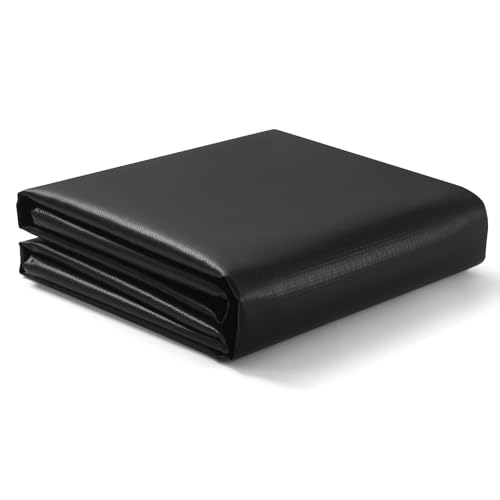 FIREWESS X0-PB5J-WGOYThickest silicone blanket
The core difference: putting out fires vs preventing them
A fire blanket is made for a sudden event. Someone grabs it from a wall pouch, covers a small fire such as a pan or a wastebasket, and cuts off the oxygen supply. It is usually used once, then replaced. It is a response tool.
A welding blanket is made for ongoing exposure. It lies across a bench or floor, hangs as a curtain, or wraps around a pipe while you weld, braze, grind or solder. Its job is to take hits from sparks and molten metal again and again without burning through. It is a prevention tool.
That one split explains most of the other differences: how thick the material is, how it is finished, whether it has grommets, and how it is sized.
Side-by-side comparison
The table below shows how the two usually differ. Individual products vary, so treat it as a general guide and read each listing.
| Feature | Fire blanket | Welding blanket |
|---|---|---|
| Main purpose | Smother a small fire | Block sparks, spatter and slag |
| How it is used | Pulled out in an emergency | Laid out, hung or wrapped during work |
| Typical use | Kitchens, garages, workshops, campsites | Welding, brazing, soldering, grinding |
| Reuse | Often treated as single-use after a fire | Made for repeated exposure |
| Build | Thin, light and quick to grab | Thicker, heavier and more rugged |
| Extras | Pull tabs and a storage pouch | Grommets, reinforced hems, coatings |
| Common sizes | Small enough to wrap around a person or cover a pan | Pads to large work-area blankets |
Where the two overlap
The line between them is blurry because the materials can be similar. Fiberglass is common in both. The FIREWESS silicone-coated fiberglass blanket on our list is a good example: its listing says it can be used as a welding blanket or as an emergency fire blanket, and it lists a 1022°F working temperature.
That does not mean every fire blanket is safe for welding. A thin emergency blanket may not be designed to handle repeated slag or sustained radiant heat. In the other direction, a heavy welding blanket can be awkward to deploy fast on a pan fire, and it may be too large to handle quickly.
If you want one product for both jobs, look for a listing that names both uses and states a temperature rating or a test standard. If it names neither, treat it as unproven for the harder job.
What to check when you pick a welding blanket
Our best welding blanket comparison puts these specs on one sheet. Three matter most: material, maximum temperature and any listed fire standard.
Here is how to read them:
- Temperature rating: most fiberglass models on our page list 1022°F, while the XOHUYD carbon felt pad lists 3000°F. The Matace blanket does not publish a rating, so treat that number as unknown.
- Test standard: a listing of ASTM D6413 shows the maker points to a recognized flame-resistance benchmark. On our page, the Matace and XOHUYD carbon felt models list it. A blanket that only says fire retardant gives you less to go on.
- Material: fiberglass can leave fibers on the surface, and the kanhiro listing tells you to wear gloves when handling it. The XOHUYD listing says its carbon felt does not shed glass fibers.
- Size and grommets: a small pad suits soldering, while a larger blanket covers a work area. Grommets matter if you want to hang a curtain, as with the YESWELDER 4 x 6 ft blankets, which have grommets every 11 in.
Match the blanket to the job
For small jobs, such as copper pipe soldering or brazing on a bench, a compact carbon felt pad can be enough. The XOHUYD set comes as two 14 x 11 in pieces, and its listing says the felt can be trimmed to size without fraying.
For general shop work, a larger blanket gives you room to protect a floor or wall. The Matace carbon felt blanket is 6 x 8 ft and 5 mm thick, and it lists a weight of 5.8 lb. If you plan to hang a shield around the work, pick a model with grommets, and check how the listing says it should be used. Our welding blanket comparison flags which ones are meant to be hung only.
For a home emergency kit, a purpose-made fire blanket in a wall pouch is easier to grab and use. Keep it near where a small fire is most likely, such as the kitchen, and make sure everyone in the household knows where it is.
Safety notes that apply to both
No blanket makes hot work safe on its own. Use it as one layer of protection alongside good habits.
- Keep a proper fire extinguisher within reach when you weld, cut or grind, and clear flammable items such as paper, rags and solvents from the area.
- Wear welding gloves, eye protection and a proper welding helmet or shield. Wear hearing protection when grinding or cutting.
- Wear gloves when handling fiberglass, since loose fibers can irritate skin. Avoid rubbing your eyes, and follow the maker's handling advice.
- Weld in a ventilated space so fumes do not build up.
- Inspect the blanket before each use. Replace it if it has burn-through, holes, heavy contamination or damage to the edges.
- If you use a blanket to smother a fire, keep your hands and face behind it, lay it away from you, and leave it in place until the fire is fully out and the area has cooled. Call emergency services if the fire is spreading.
Quick recommendation
If your main goal is protecting people and surfaces during hot work, buy a welding blanket and match its rating, material and size to your tasks. If your main goal is handling an unexpected small fire at home, buy a fire blanket made for that purpose.
If you need both, choose a product that clearly lists both uses and shows its specs. When a listing leaves out a rating or a standard, assume the blanket is unproven for heavy welding and choose a better-documented option.
Frequently asked questions
Can I use a fire blanket for welding?
Only if the product is clearly sold and rated for it. Many fire blankets are thin and meant for one-time use, so they may not stand up to repeated sparks and slag. Look for a stated temperature rating or standard.
Can a welding blanket put out a fire?
A large, flexible welding blanket can smother a small fire in a pinch, but it is not designed for that. It may be heavy and slow to deploy. Keep a real extinguisher or a purpose-made fire blanket nearby instead.
Should I wash or reuse a welding blanket?
Reuse is normal for welding blankets, but check them often. Retire any blanket with holes, burn marks that thin the material, or heavy buildup. Follow the maker's care instructions, since cleaning advice varies by material and coating.
Does a blanket protect me from radiant heat?
It can reduce heat reaching a surface, but it does not replace protective clothing or distance. Thicker materials generally slow heat transfer more. Always keep flammable items out of the work area.