Should You Edge Your Lawn Before or After Mowing?
For most lawns, mow first, then edge, then clean up. Mowing sets an even grass height, so you can cut the border against the finished surface and sweep up everything in one pass. Edging first still works, so pick one order and stay consistent.
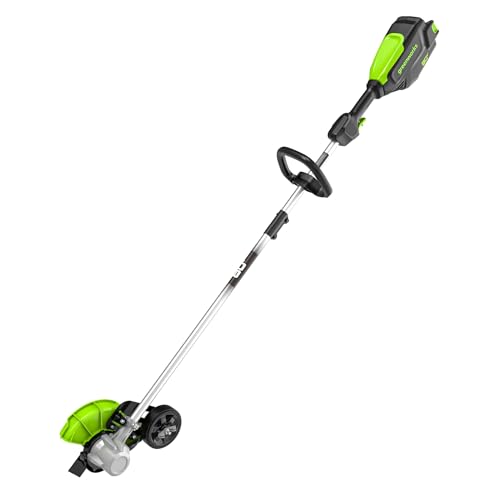 Greenworks ED80L02Deepest cut, most settings
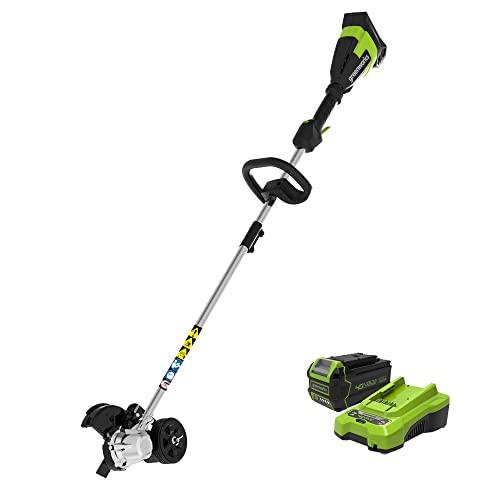 Greenworks ED40L410Battery and charger included
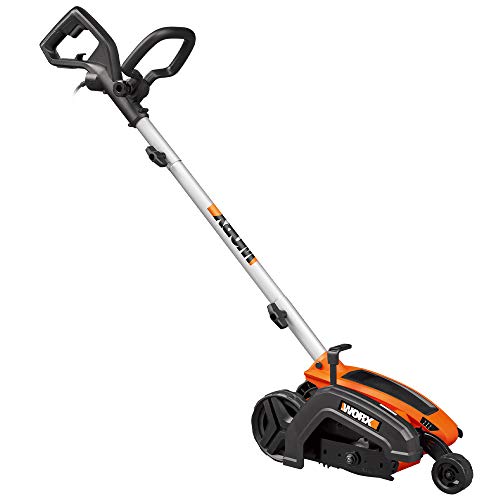 WORX WG896Corded with trenching mode
Why mowing first usually wins
When you mow first, the whole lawn is the same height. That makes it easy to see where the edge should go, because you are not guessing where long grass ends and the border begins. A clean line looks sharper against a short, even surface.
Mowing first also saves you a step. Edging throws grass, soil and small bits of debris onto the sidewalk and driveway. If you edge last, you can blow or sweep all of it away at once, along with the mower clippings that landed on the hard surface.
There is a practical reason too. Mower wheels often run close to the border, and they can crush or tilt the grass along the edge. Edging after that gives you a straight cut through grass that is already standing evenly.
When edging first makes sense
Some people edge before mowing, and it is not wrong. The idea is that the mower picks up the clippings and trimmings left on the lawn, so there is less to rake. If your mower has a bagger or mulching deck, that can feel tidy.
Edging first can also help when the grass is tall. A trench cut ahead of time shows you where the border is, so you do not mow over the edge by mistake. You can even edge a day or two ahead if that fits your schedule.
The trade-off is that you still need to clear the hard surfaces afterward. Soil thrown onto a sidewalk does not go into the mower, so you will likely sweep or blow either way.
The step-by-step order I recommend
Here is a simple routine that works for most yards. Adjust it if your lawn or tools are different.
- Walk the lawn and pick up sticks, toys and stones that could be thrown by the blade.
- Mow the lawn at your normal height.
- Edge along driveways, sidewalks and patios, moving at a steady walking pace.
- Trim any spots the edger could not reach with a string trimmer.
- Blow or sweep clippings and soil off hard surfaces and back onto the lawn or into a bag.
- Water lightly if the soil is dry and the cut edge looks ragged.
Can you edge a lawn when it is wet?
You can, but it is rarely the best choice. Wet soil clumps and sticks to the blade, which makes the cut messier and can bog down the tool. Wet grass also bends instead of cutting cleanly, and wet ground makes it easier to slip.
Electricity adds a safety concern. A corded electric edger and wet grass are a poor mix, so wait until the grass is dry if you use one. Always plug a corded tool into a properly protected outlet and keep the cord behind you and clear of the blade. Battery tools lower the cord risk, but wet conditions still make footing and cut quality worse.
The best window is when the grass has dried but the soil still has a little moisture. Soil that is slightly damp holds a clean vertical wall better than bone dry dirt, which can crumble.
Edging with a string trimmer, weed wacker or whipper snipper
Yes, you can edge without a dedicated edger. A string trimmer, weed wacker and whipper snipper are the same kind of tool under different names, depending on where you live. The technique is the same for all of them.
Many trimmers have a head that rotates or an edge guide wheel. If yours does, turn the head so the line spins vertically, then walk along the border with the line cutting down the edge of the grass. If your trimmer cannot rotate, tilt the shaft so the line runs on its side and keep it steady.
Go slowly and keep a consistent angle. A trimmer is good for a light, tidy line but will not cut a deep trench the way a blade does. It is also more likely to throw debris, so keep it away from windows and parked cars.
If you plan to edge often or want a sharper, deeper line, a dedicated tool is easier to control. Our best lawn edger comparison lists power source, blade size and cutting depth side by side so you can see what fits your yard.
Using a lawn edger for flower beds
A lawn edger can cut a clean trench around flower beds, and many people use it that way. The blade slices through the turf to form a crisp boundary between lawn and bed. Cut a shallow trench first, then deepen it on later passes if you need more definition.
Some models include a trenching mode, which suits bed borders. In our data, the WORX WG896 and the WORX WG898.9 both list trenching mode. The WG896 has a max cutting depth of 1.5 in, and the WG898.9 reaches 2 in.
Keep the edger away from tree roots, irrigation lines, drip tubing and buried cables. Know where lines are before you cut deep, and hand dig near plants so you do not damage roots or stems.
Choosing the right tool for the job
The right tool depends on how long your borders are and how crisp you want them. This table gives a general comparison of common options.
If you shop for a powered edger, check what comes in the box. Several battery models on our comparison page ship without a battery or charger, so you may need to buy those separately. Weight matters too, since a lighter tool is easier to steer along curves.
| Tool | Best for | Main limit |
|---|---|---|
| Powered blade edger | Long straight borders and clean trenches | Needs storage space and a power source |
| String trimmer | Quick touch-ups on small lawns | Shallow, less precise line |
| Manual half-moon edger | Small beds and quiet work | Slow and tiring on long borders |
Safety notes before you start
Wear safety glasses or goggles every time, since edgers and trimmers throw stones and soil. Wear hearing protection if your tool is loud, plus sturdy closed-toe shoes and long pants.
Remove the battery or unplug the tool before you adjust the blade or clear a jam. Keep children and pets well away while you work. If you use a corded edger, check the cord for damage and use an extension cord rated for outdoor use.
Frequently asked questions
How often should I edge my lawn?
Many homeowners edge every second or third mowing during the growing season. Edge more often if grass creeps over hard surfaces quickly, and less often when growth slows. A light touch-up is easier than cutting back a heavily overgrown border.
Should I edge a brand-new lawn?
Wait until the grass has rooted well and can handle regular mowing. Young turf can tear when a blade cuts close to it. Once it is established, begin with a shallow cut and increase depth as needed.
What should I do with the clippings and soil?
Sweep or blow them off the hard surface right away. Grass clippings can go back on the lawn or into a compost pile. Soil can go into a low spot or a garden bed so it does not wash into the street.
How deep should I cut the edge?
A shallow cut is enough to keep grass from creeping over a sidewalk. A deeper cut gives more definition around flower beds. Start shallow, check the result, and go deeper only if you need it.