Oil Drain Plug Gasket vs Crush Washer: Replace or Reuse?
A crush washer is a soft metal ring that squashes as you tighten the plug, so it is best replaced at every oil change. A gasket is a broader term for any seal under the plug, and some rubber-bonded or fiber types can be reused if they are undamaged. When in doubt, swap it. A fresh washer costs far less than a leak or a stripped oil pan.
 ValvoMax [VM-QT-001]Best overall
 Fumoto F106NLever clip included
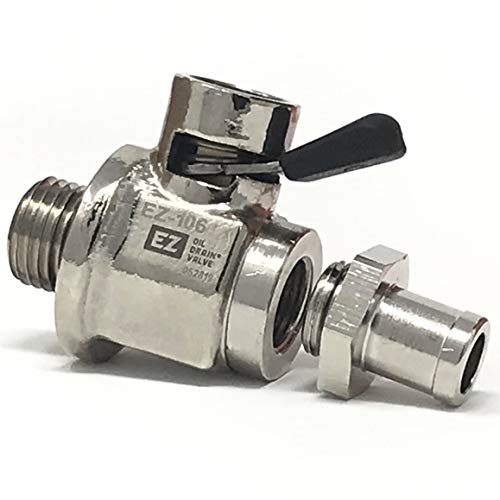 EZ Oil Drain Valve EZ-106RHTied for shortest length
What a crush washer and a gasket actually are
A crush washer is a thin ring, usually aluminum or copper, that sits between the drain plug head and the oil pan. When you tighten the plug, the ring flattens a little and fills tiny gaps in the surfaces. That is the "crush" in the name, and it is why the ring changes shape for good.
"Gasket" is a looser word. People use it for crush washers, but it also covers fiber washers, nylon rings, and metal washers with a bonded rubber seal. Some plugs skip the flat washer and use an O-ring in a groove instead. Listings often mix these terms, so read the description to see which kind you have.
In short, every crush washer is a type of drain plug gasket, but not every gasket is a crush washer. That difference decides whether reuse makes sense.
Gasket vs crush washer at a glance
The table below sums up how the common seal types behave. Treat it as general guidance, and follow your vehicle's service manual when it says something different.
| Seal type | How it seals | Reuse? | Notes |
|---|---|---|---|
| Aluminum crush washer | Deforms under torque | Replace each change | Hardens and flattens, so a second use often leaks |
| Copper washer | Deforms, but softer | Usually replace | Can be softened by heating, though a new one is simpler |
| Fiber gasket | Compresses | Often replace | Can crack, harden, or soak up oil over time |
| Nylon or rubber-bonded washer | Rubber ring seals the face | Sometimes reusable | Reuse only if the rubber is intact and springy |
| O-ring on the plug | Sits in a groove | Inspect first | Replace if flat, cracked, or nicked |
Can you reuse a drain plug washer?
For aluminum and copper crush washers, the safe answer is no. Once the ring has been squeezed, it does not spring back. A used washer may look fine, yet its surface is now work-hardened and slightly uneven. It can seal one more time and still seep later, when the engine heats up and cools down.
Sanding a used washer flat does not restore its ability to crush. It only makes the ring thinner. Skip that shortcut.
Reuse can be reasonable in a few cases:
Even then, you are trading a small saving for a small risk. If the plug sits somewhere hard to reach, or the car goes on a long trip, replace the seal.
- The maker says the seal is reusable, as with some rubber-bonded or nylon designs.
- The seal is clean, flat, and free of cracks, nicks, or hard spots.
- The oil pan and plug seating surfaces are smooth and free of pits.
- You can torque the plug to the specified value, not guess by feel.
Why replacing is cheap insurance
A leaking drain plug does more than make a mess. A slow seep can drop the oil level between changes without any warning light. A plug that spins loose can empty the pan quickly.
Overtightening is the other trap. People crank down on an old washer to stop a weep, and that can stretch the plug or strip the pan threads. Many pans are thin aluminum, and repairing stripped threads is a lot more work than changing a washer.
A new washer lets you tighten to the correct torque and stop. Look up the value for your engine in the service manual, since it varies by vehicle. Keep a few spare washers in the right size so you are not tempted to reuse one in a hurry.
How to replace the washer the right way
Match the washer to your plug thread and the seal style your vehicle uses. Using the wrong material or thickness is a common reason for leaks. Then follow these steps:
- Let the engine cool until the oil is warm, not hot, then park on level ground and set the parking brake.
- Place a drain pan under the plug and loosen the plug with a properly fitting socket or wrench.
- Remove the plug by hand at the end, and let the oil drain fully.
- Pull off the old washer, since some stick to the pan and hide there.
- Wipe the plug and the pan's seating surface with a clean rag, and check for dents or burrs.
- Fit the new washer, thread the plug in by hand first, and then tighten to the specified torque.
- Check for drips after the first start, and look again after a short drive.
Safety notes
Hot oil can burn skin, so let the engine cool a bit before you open the plug, and wear nitrile gloves. Wear safety glasses, because oil and grit can drip or splash toward your face when you loosen the plug.
If you need to lift the vehicle, use jack stands on level ground rated for the weight. Never rely on a jack alone, and never get under a car held only by one. Keep used oil in a sealed container and take it to a recycling point. A good best oil drain pan guide can help you pick a pan that catches the stream without spills.
What about drain valves and their seals?
If you are tired of removing the plug every time, an oil drain valve replaces it. These valves still need a seal where they meet the pan, so the same replace-or-reuse question applies. Our best oil drain valve page lists the seal type for each model, and the specs differ.
For example, the Fumoto F106N lists a fiber gasket. The KeeRoarin stainless valve lists a copper washer, and its listing says it includes one copper sealing gasket. The ValvoMax Quick Twist lists an O-ring and says it includes one washer for installation. The DEF valve's listing mentions one gasket washer in the box. Several of these fit a 14 mm thread at a 1.5 mm pitch, so check your pan's thread before anything else.
Whatever the seal, treat the washer as a wear part. If you remove a valve and refit it, use a fresh washer or gasket, and replace any O-ring that looks worn.
Frequently asked questions
How do I know if my washer is a crush washer?
Look at it before you throw it away. A flat metal ring that looks pressed, thinner on one side, or ridged is a crush washer. Rubber or nylon rings, and bonded washers, are other seal types.
What happens if I forget to replace the washer?
Often nothing at first, which is why people do it. The risk is a slow seep that shows up as drips under the car or a falling oil level. Watch the plug area for a few days after the change.
Can I use a different material than the original washer?
Only if it fits the same thread and thickness and works for your pan. Some vehicles are designed around a specific seal, so check the service manual or parts listing before swapping materials.
Should I use thread sealant or tape on the plug?
Generally no. The washer does the sealing, and extra compound can change how the plug seats and affect the torque reading. Follow your manufacturer's guidance.
Is it safe to drive with a slightly weeping plug?
It is risky. A small weep can grow, and the oil level can drop without a warning. Check the level, tighten to spec only if the plug is loose, and replace the seal soon.