Metric vs Standard Tool Sets: What Is the Difference?
Metric tool sets are sized in millimeters, while standard sets (often called SAE) are sized in inches and fractions of an inch. Most home owners eventually need both, because furniture, bikes and newer cars lean metric while older US hardware and some plumbing use inch sizes. If you can only buy one, start with a mixed or metric-heavy kit and add inch sizes when a job calls for them.
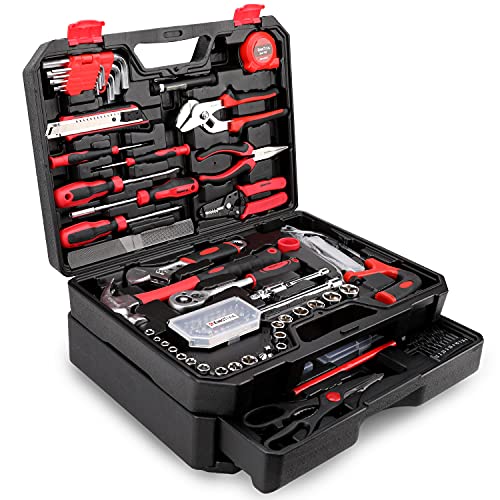 KingTool DS-HDT001Best overall
 CRESOLVIA RD105328Most pieces
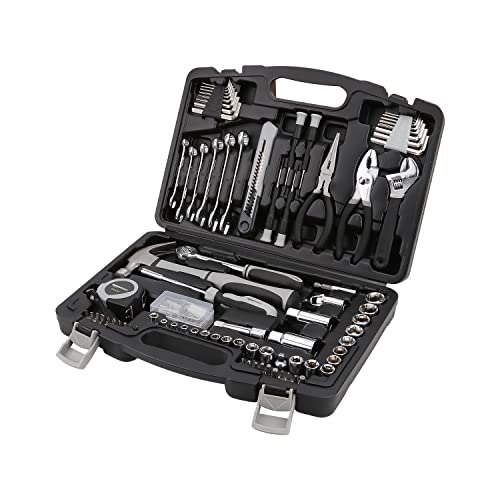 Amazon Basics DS-JYAMZ0002Best basic set
The core difference in plain terms
A metric tool is labeled in millimeters, such as 8 mm, 10 mm or 13 mm. A standard tool is labeled in inches and fractions, such as 5/16, 3/8 or 1/2. In the US, standard is also called SAE, after the Society of Automotive Engineers, which set many inch-based fastener sizes.
The labels describe the opening of a wrench or socket, or the width of a hex key. The bolt or nut has to match that size closely. A tool that is only a little too big will slip and round off the corners of the fastener.
Metric sizes step up in whole numbers, which makes them easy to read. Inch sizes use fractions, so you compare things like 9/16 and 5/8 by eye, and that takes a little more practice.
Where you will run into each system
Neither system is better. They simply show up on different products, and a household usually has a mix.
Here is a rough guide to what you will meet most often:
- Metric: flat-pack furniture, most bicycles, many appliances, electronics, and cars from Europe and Asia.
- Metric: most modern vehicles, including many from US brands, use a lot of metric fasteners.
- Standard (SAE): older US cars and trucks, some US-made equipment, and many fixtures from older houses.
- Standard: some hardware such as lag bolts, wood screws sold by inch length, and certain plumbing and tap fittings.
- Both: hex keys (Allen keys) come in metric and inch versions, and kits often include one or both.
Sizes that look alike but are not the same
Some metric and inch sizes land very close together. That is where mistakes happen. A near fit feels fine at first, then rounds the fastener as soon as you apply real force.
This table converts a few common pairs. The inch values in millimeters are straightforward math (1 inch equals 25.4 mm).
Pairs like 8 mm and 5/16 are very close, and a good socket may seem to fit either. Pairs like 14 mm and 9/16 are about three tenths of a millimeter apart, which is enough to cause slipping. Always test the fit by hand first. The tool should slide on snugly with almost no wobble.
| Metric size | Nearest inch size | Inch size in mm | Gap |
|---|---|---|---|
| 8 mm | 5/16 in | 7.94 mm | Very small |
| 13 mm | 1/2 in | 12.7 mm | Small |
| 14 mm | 9/16 in | 14.29 mm | Noticeable |
| 17 mm | 11/16 in | 17.46 mm | Noticeable |
| 19 mm | 3/4 in | 19.05 mm | Very small |
Drive size is not the same as metric or standard
This part confuses many first-time buyers. Socket sets are described by drive size, such as 1/4 inch or 3/8 inch. That is the square hole where the ratchet connects. It has nothing to do with whether the sockets themselves are metric or inch.
You can have a 1/4 inch drive set with metric sockets, and many kits do exactly that. For example, the KingTool 325-piece kit in our comparison lists 1/4 inch and 3/8 inch drive metric-sized sockets with a 72-tooth ratchet. The Prostormer 259-piece kit also lists 1/4 inch and 3/8 inch drive metric sockets and a 72-tooth ratchet.
Smaller kits can be narrower. The DEKOPRO 94-piece kit lists four 1/4 inch sockets in 7, 8, 9 and 10 mm, plus five metric hex keys from 2 to 6 mm. That covers light furniture and household work, but not larger fasteners.
Which one should you buy?
Think about what you actually fix. If most of your jobs are assembling furniture, adjusting a bike or tightening small appliances, a metric-leaning kit covers most of it. If you work on an older American car or truck, or do repairs in an older home, you will probably want inch sockets and wrenches too.
Check the product listing before you buy. Many kits say "metric" in the description of the sockets, and some do not mention inch sizes at all. If a listing does not say which system its sockets use, treat that as a reason to look at the contents list or choose a kit that spells it out.
When you compare complete kits, our best tool set page lists piece counts, socket sets and ratchet details side by side, so you can see which kits include sockets and what the case holds. If you want to start small and add sizes later, a basic kit plus one extra socket set in the other system is often easier than buying two large kits.
Using the right size and staying safe
Mixing up sizes is the most common reason fasteners get damaged, and a slipping wrench can also scrape your knuckles or send you off balance. A few habits help:
- Match the tool to the fastener by hand before using any force. It should fit snugly with little play.
- Pull the wrench toward you rather than pushing it, so you do not lunge forward if it slips.
- Prefer a socket over an open-end wrench for tight fasteners, since it grips on all sides.
- Keep metric and inch sockets in separate, labeled rows in the case so you can spot a missing size.
- Wear safety goggles when hammering or working under a vehicle, as the Amazon Basics listing also advises for hammer use.
- Never work under a car held only by a jack. Use proper jack stands on level ground.
Building a set that covers both
The simplest route is to buy one broad kit and fill gaps as they appear. Our best tool set page can help you choose a base kit, and you can then add an inch socket set or wrenches if your projects need them.
Do not rely on piece counts. Kits range from 39 to 328 pieces on our page, but screwdriver bits and small parts make up much of that number. What matters is the sizes of the sockets, wrenches and hex keys you will actually use.
Frequently asked questions
Can I use a metric wrench on an inch bolt?
Sometimes it will seem to fit, but it is risky. A near match can slip under load and round off the corners of the bolt. Use the correct system whenever you can.
What does SAE mean on a tool set?
SAE stands for Society of Automotive Engineers. On tools it usually means inch-based sizes, the same thing most US shoppers call standard.
Are hex keys metric or standard?
Both exist. Furniture and electronics usually use metric hex keys, while some older equipment uses inch ones. Many kits include one system, so check the listing.
Do I need both metric and standard sets?
Not always. If your projects stay within one system, one set may be enough. Households with older and newer items tend to need both over time.