Metal Cutting Tool vs Wood Cutting Tool: Key Differences
Metal cutting tools use harder blade materials, smaller and more carefully shaped teeth, and slower speeds to keep heat down. Wood cutting tools use larger teeth and faster speeds to clear chips quickly. You can sometimes cut wood with a metal saw, but only a blade made for the job and the right tool design make it safe and clean.
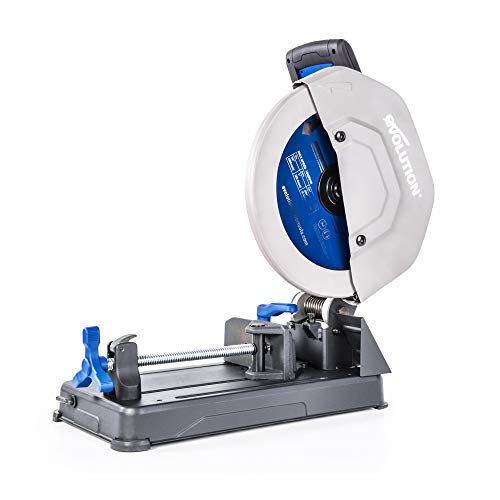 EVOLUTION S355CPSLBest overall
 EVOLUTION S14CPS
 EVOLUTION S14MCSBest for fabrication shops
The short version of how they differ
The core difference is what each material does to the blade. Wood is soft and fibrous, so a wood blade needs big gaps between teeth to carry away chips. Metal is hard and conducts heat, so a metal blade needs tough teeth, a gentle feed and a way to keep temperature under control.
Most of the other differences follow from that. Tooth shape, blade material, speed, guarding and even how you clamp the work all change when you move from timber to steel.
| Feature | Wood cutting tool | Metal cutting tool |
|---|---|---|
| Teeth | Fewer, larger teeth with deep gaps | More numerous, smaller teeth, often carbide or cermet tipped |
| Speed | Fast blade speed for quick chip removal | Slower blade speed to keep teeth cool |
| Chips | Sawdust and shavings | Hot metal chips, sparks or fine swarf |
| Heat | Rarely a concern except burning | Main factor in blade wear |
| Workholding | Clamps or hand pressure often enough | Solid vise needed for square, accurate cuts |
| Protection | Dust mask, eye and hearing protection | Eye and hearing protection, gloves, chip control |
Teeth: shape, count and material
Wood blades have large teeth with deep gullets. Each tooth takes a big bite and the gullet carries the chips out of the cut. That keeps the blade from clogging and lets it move fast through soft material.
Metal blades work the opposite way. Teeth are smaller and more numerous so that several teeth are always in the cut, which spreads the load. Tips are usually hardened carbide or cermet instead of plain steel, because steel dulls quickly against metal.
The saws on our best metal cutting tool comparison show this in practice. The Evolution S14MCS uses a cermet carbide blade rated for 3500 cuts, and the VEVOR ZB-400G uses a 96-tooth cermet-tipped blade rated for 4000 cuts. Those are blades built for steel, not lumber.
Speed and heat
Speed is where the two worlds really split. Wood cutting favors fast blade speed. Metal cutting favors slower speed, because every tooth that rubs instead of cutting builds heat, and heat shortens blade life.
Among the chop saws we compare, no-load speeds run from 1100 to 4000 RPM. The Evolution S14MCS sits at the slow end with 1100 RPM, and the VEVOR 7-1/4 in saw is the fastest at 4000 RPM. A small blade needs a higher speed to reach a useful cutting speed at its edge, which is why the compact saw spins faster.
This is also why cold cut saws are popular for steel. Carbide and cermet blades cut with little heat, few sparks and clean edges, so parts are ready to weld sooner. Abrasive discs are different: they wear quickly and leave burrs.
Can you use a metal cutting saw for wood?
Sometimes, but not by default. A blade made for metal can cut wood in a pinch, but the small teeth clog easily and the cut tends to be slow and rough. Going the other way is the bigger problem. A wood blade used on steel can chip teeth, kick back or overheat.
Multi-material saws are the exception. The Evolution R355CPS 14 in saw is listed as cutting wood, wood with embedded nails, composite decking, mild steel and plastic with one 32-tooth carbide-tipped blade. It runs at 1450 RPM and weighs 47.4 lb. If you cut both materials regularly, that kind of saw is worth a look on our best metal cutting tool page.
Whatever you try, follow the maker's list of approved materials. If the saw and blade are not rated for wood, do not use them for wood. Dust and chips behave differently, and guards and dust handling are designed around the intended material.
Other tool types: grinders, hand saws and oscillating blades
The same split shows up outside chop saws. Angle grinders use thin abrasive discs for steel, and these are not interchangeable with wood cutting accessories. If you cut metal with a grinder, our best angle grinder disc for cutting metal comparison covers the options. Never put a toothed wood blade on a grinder.
For manual work, a metal hand saw has fine teeth to keep several in contact with a thin wall, while a wood hand saw has coarse teeth. Our best hand saw for cutting metal page compares saws for steel and thin stock.
Oscillating tools follow the same rule. Blades are matched to the material, with hardened teeth for metal. See best oscillating tool blades for metal for blades and best oscillating tool for metal for the tools themselves.
Safety notes for both materials
Cutting metal brings hazards that wood does not. Chips and sparks are hot, edges are sharp, and a freshly cut piece can burn skin. Wood brings its own hazards, mainly fine dust and kickback.
Follow these basics every time:
- Wear safety glasses or a face shield, and hearing protection. Saws and grinders are loud.
- Clamp the work firmly. A loose piece of steel can grab the blade and be thrown.
- Unplug the tool before changing blades, and check that the blade is rated for the tool's speed.
- Keep guards in place and let the blade reach full speed before it touches the work.
- Wear gloves for handling cut metal, but not while the blade is turning if loose cuffs or gloves could catch.
- Keep flammable materials and sawdust away from sparks, and wear a dust mask when cutting wood.
How to choose the right tool
Start with the material you cut most. If it is mostly steel tube, bar or angle iron, pick a saw built for metal, with a carbide or cermet blade and a slow, controlled speed. If it is mostly timber, a wood saw is faster and cleaner.
Next, match blade size to stock. In the saws we compare, 14 in and 16 in models handle round stock of 120 mm or more, while a 7-1/4 in saw suits smaller tube and flat bar. Finally, think about weight. The saws we list range from 14.44 lb to 72.4 lb, so decide whether yours stays on a bench or travels between jobs.
Frequently asked questions
Is a metal cutting blade the same as a wood cutting blade?
No. Metal blades have smaller, more numerous teeth and harder tips. Wood blades have larger teeth with deep gaps for clearing chips.
Why do metal cutting saws run slower?
Slower speed keeps teeth cooler, which helps blades last longer. Heat is the main cause of wear when cutting steel.
Can I use a wood blade on steel?
You should not. Wood teeth can chip, grab or overheat on metal, which is both a safety risk and a waste of the blade.
What is a multi-material saw?
It is a saw with a blade designed to cut several materials, such as wood, plastic and mild steel. Check the listed materials before using one.
Do I need a vise for metal?
A solid vise or clamp is strongly advised. It holds the piece still for accurate, square or mitered cuts and keeps it from being thrown.