Mechanic Gloves vs Leather Gloves: Which Works Better?
For most repair work, mechanic gloves work better. They fit closer, give you more feel for small fasteners, and many are machine washable. Leather gloves win when the job is rough, abrasive or involves heavy handling, so the better choice depends on what your hands will touch.
 HANDLANDY 5972Best overall
 JUMPHIGH Washable mechanical work pick
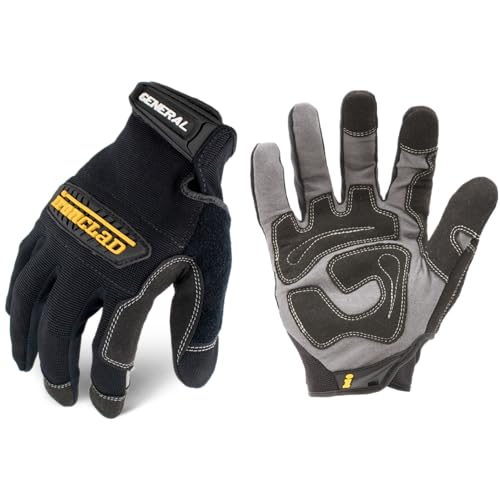 Ironclad GUG-04-LDouble-stitched shop glove
The short version
Mechanic gloves are built around dexterity. They usually pair a synthetic leather or suede palm with a stretchy back, so you can pick up a bolt, hold a socket and still feel what you are doing. Many add foam on the knuckles and padding in the palm.
Leather gloves are built around toughness. Natural leather resists scrapes from rough materials such as lumber, rebar and sharp edges, and it handles heavy tools well. The trade-off is that traditional work leather is usually thicker and less nimble.
So the question is less about which glove is better and more about which job you are doing. Small, fiddly work favors mechanic gloves. Rough, heavy work favors leather.
How they compare side by side
The table below sums up the general differences. Individual gloves vary, so treat it as a starting point and read each glove's spec sheet.
| Feature | Mechanic gloves | Leather gloves |
|---|---|---|
| Feel and dexterity | Close fit, good for small parts and fasteners | Thicker, so less feel for small parts |
| Palm material | Often synthetic leather or suede, sometimes a coated knit | Natural leather, often cowhide or pigskin |
| Impact protection | Often foam or rubber knuckle guards and palm padding | Usually relies on leather thickness, with less dedicated padding |
| Abrasion resistance | Good on many models, varies by build | Strong against rough materials |
| Washing | Many are machine washable | Often needs gentler care, check the label |
| Breathability | Stretch and mesh backs vent heat | Can run warmer |
| Best fit | Repair, assembly, maintenance | Heavy handling, rough materials, general labor |
Where mechanic gloves earn their place
Repair work asks a lot of your hands in small ways. You reach into tight engine bays, hold greasy wrenches and scrape knuckles on metal edges. A snug glove with a grippy palm helps with all of that.
Our spec comparison shows how varied these gloves are. The Mechanix Wear Original Coyote Tactical lists a 0.8mm synthetic leather palm and ANSI Level 3 abrasion resistance. The Ironclad GUG04L lists double-stitched reinforcements on the palm, saddle and fingers, plus rubberized knuckle protection. The JUMPHIGH glove combines a synthetic leather palm with reinforced pigskin leather fingertips, foam knuckles and a hook and loop cuff, and it is machine washable.
Weight is another difference. Among the gloves on our best mechanic gloves page, weight per pair runs from 0.01875 lb to 0.31 lb. The heaviest, a D3O-padded glove, trades extra weight for 2mm of palm impact padding.
Where leather gloves still win
Leather is hard to beat when the work is more about handling than precision. Hauling lumber, moving rough stock, clearing brush and working around sharp edges all reward a thicker palm.
Leather also tends to feel more durable against rubbing and snagging on rough surfaces. If you do mixed jobs around a shop or yard, a pair of leather gloves is a sensible backup to keep nearby.
Be realistic about what leather does badly. It can feel bulky for small screws and wiring. It can soak up oil and fluids, and care instructions vary, so check the label before washing. Some mechanic gloves also include leather, such as pigskin fingertips, which gives you a bit of both.
How to choose for your job
Start with the task, then check the specs. These questions usually settle it:
- Do you handle small fasteners, wiring or tools with fine controls? Choose mechanic gloves.
- Will you be moving rough or sharp material for long stretches? Choose leather.
- Do you need knuckle and palm padding? Look for gloves that list foam, rubber, TPR or D3O padding. Not every glove lists both.
- Will the gloves get greasy often? Check for machine washing, and note that cool water with air drying helps hold the size, according to one listing.
- Do you need to use a phone or tablet? Several mechanic gloves list touchscreen fingertips.
- Will you work in oily or wet conditions? Read the maker's limits. One 12-pair coated knit pack advises against heavy oily or wet conditions.
Check the listing, not just the name
A glove labeled for repair does not always include everything you want. Some skip knuckle protection, and some padded gloves are listed only for light-duty work. For example, the top-ranked HANDLANDY 5972 has foam knuckles and a padded palm, but its maker lists it for light-duty yard work, gardening and home improvement.
The same goes for fit. A loose glove can slip on a wrench or snag on moving parts. A hook and loop cuff lets you tighten the fit, while an elastic cuff slips on quickly. A knit wrist helps keep debris out.
If you want to compare padding, closures and washability across many gloves at once, our mechanic glove comparison lays the specs out in one place.
Safety notes
Gloves protect your hands from scrapes and light impacts, but they are not a cure-all.
Never wear gloves near rotating tools such as drill presses, lathes or bench grinders. A glove can catch and pull your hand in. Follow the tool maker's guidance on this.
Wear safety glasses whenever you work under a vehicle, use a wire wheel or spray cleaners. Use hearing protection around loud tools. Gloves do not replace either one.
For solvents, brake cleaner and other chemicals, check the product label for the right glove type. Standard work gloves are not made for chemical protection. Hot exhaust parts and sharp edges can still injure you through a glove, so let parts cool and handle blades with care.
Frequently asked questions
Are mechanic gloves worth it?
They are if you do regular repair or maintenance work. Padding, grip and a close fit make tool work more comfortable, and many are machine washable. For an occasional task, a basic glove may be enough.
Can I wash mechanic gloves?
Many can be washed, but not all. Look for a machine washable listing. One listing suggests cool water and air drying to help the glove keep its size.
Do mechanic gloves protect against impact?
Some do, up to a point. Foam, rubber or TPR knuckle guards and palm padding soften light strikes and vibration. They are not a substitute for heavy protective gear.
Can I use leather gloves for car repair?
Yes, for rough or heavy tasks. For small parts and tight spaces, a thinner mechanic glove usually gives better feel.
How should mechanic gloves fit?
Snug, with no loose fabric at the fingertips or palm. A tight fit improves grip and lowers the chance of snagging.