Magnetic Tool Holder vs Regular Tool Holder: Which Is Better?
For most steel hand tools, a magnetic tool holder is the better pick. It keeps tools in sight, frees up bench space and needs no slots or hooks sized to each tool. A regular holder (pegboard, hooks, pouches or slotted racks) is better for non-magnetic tools, delicate edges or tools you want fully enclosed.
 TOOLEAGUE Strip Rack-1Best overall
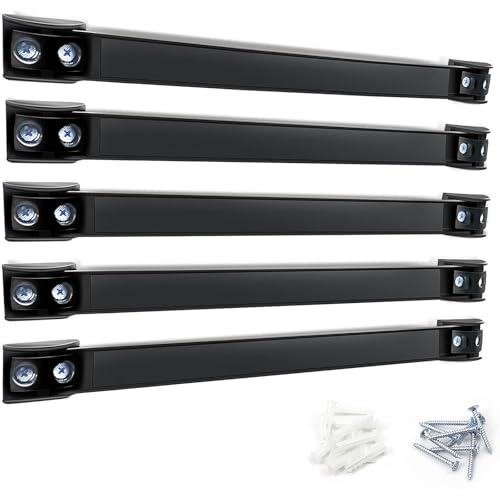 DGSL Magnetic Strip 001Five 16 in wall strips
 BEILITEMAG BEILITE-DJ17inchDouble-sided with knuckle gap
How the two types differ
A magnetic holder is a bar or rack with magnets inside. Any ferrous tool you press against it sticks, so one strip can hold wrenches, pliers, screwdrivers and sockets in whatever order you like.
A regular holder uses a physical shape to hold the tool. Hooks, pegs, loops, pockets and slots all work this way. They do not care what the tool is made of, but each one fits only certain tools.
That is the core trade. Magnetic holders are flexible but only work with steel and iron. Regular holders are shape-specific but work with anything, including plastic, aluminum, brass and stainless steel that is not magnetic.
When a magnetic holder is the better choice
Magnetic strips shine when you reach for the same hand tools again and again. You see every tool at a glance, grab it with one hand and put it back without lining anything up.
They also adapt as your collection changes. A new screwdriver needs no new hook or pocket, and you can rearrange a row in seconds.
Some magnetic holders go on without drilling. Double-sided bars can attach to a steel toolbox, cabinet or cart, and several listings in our best magnetic tool holder comparison include screws for walls that are not metal.
- Best for: wrenches, pliers, screwdrivers, hammers, sockets and metal bits
- Works well in garages, sheds, vans, workshops and toolboxes
- Good when you want fast access and a clear view of what you own
- Easy to extend by adding another strip beside the first
When a regular holder is the better choice
A regular holder wins when the tool is not magnetic. Aluminum, brass, plastic-handled items and many stainless pieces will not stick, so a hook or pocket is the only reliable way to store them.
It also wins when you want to keep tools enclosed or separated. Pouches and slotted racks protect cutting edges, keep small parts from sliding around and suit tools that need to hang at a specific angle.
Finally, if you work around sensitive electronics or have a medical device that magnets can affect, a non-magnetic holder avoids the question entirely.
Magnetic holder vs knife block, drill holder and locking bit holder
These comparisons come up often, and the right answer depends on the job.
A knife block holds blades in slots, so edges stay covered and the handles stand ready. A magnetic bar leaves the blade exposed on the wall. It saves counter space and shows everything at once, but it needs a spot well out of reach of children. Several listings on our page, including the TOOLEAGUE and DGSL strips, are marked kitchen safe, so a strip can double as a knife holder.
A magnetic drill holder is a different product from a plain strip. The ULIBERMAGNET rack on our page is built for power tools, with space for 4 drills and 9 screwdrivers. A bare bar is meant for flat hand tools, not the bulk of a cordless drill. For drills, pick a rack made for them.
A locking bit holder grips a bit in place with a collar or clip. A magnetic one just holds the bit by pull. Locking designs resist drops and sideways knocks. Magnetic ones are quicker to swap and easier on the hand. Heavy torque or rough handling favors locking. Fast changes at a bench favor magnetic.
What the specs say
Our comparison page lists published specifications, so you can match a holder to the weight of your tools. Holding force is the first number to check. Length and how it mounts come next.
The table shows a few examples from the page. Always confirm details on the maker's listing before you buy.
| Product | Length | Holding force | Notes |
|---|---|---|---|
| TOOLEAGUE Double Sided Magnetic Tool Bar | 12 in, 2 pieces | 110 lb | Drill-free mounting, screws included |
| DGSL Magnetic Tool Holder 5 Pack | 16 in, 5 pieces | 22 lb per strip | Wall mount, hardware included |
| BEILITEMAG Double Sided Tool Holder | 17 in, 2 pieces | Not listed | 0.94 in wall gap for your knuckles |
| ULIBERMAGNET Power Tool Organizer | 17.32 in | 100 lb | Drill rack, holds 4 drills and 9 screwdrivers |
Safety and setup tips
Magnets hold tools, but they can fail if you overload them or mount them badly. Check the rating against your heaviest tool, and leave margin.
If you attach a double-sided bar straight to a steel surface, the BEILITEMAG listing warns that the metal must be thicker than 0.047 in (1.2 mm) or the holder will slide off. Read that kind of note before you rely on a drill-free mount.
- Put heavy tools on the lower part of a wall so a fall cannot hit your head or feet.
- Wear safety glasses when drilling into a wall or steel, and hearing protection if you use a power drill.
- Check for wires and pipes behind a wall before you drive screws.
- Keep exposed knife blades out of reach of children.
- Keep strong magnets away from pacemakers, credit cards and electronics.
How to decide
Start with what you store. If most of it is steel hand tools, go magnetic. If it is a mix, use a magnetic strip for the steel pieces and a regular holder for the rest.
Then pick the place. A wall, a toolbox side and a belt each call for a different form, so compare within that type. Our magnetic tool holder comparison sorts options by length, piece count and mounting so you can narrow them quickly.
Frequently asked questions
Will a magnetic tool holder damage my tools?
Not in normal use. Magnets can magnetize screwdriver tips and small steel parts, which helps pick up screws but can attract metal shavings.
Can I use a magnetic holder on a drywall or wood wall?
Yes, if it comes with screws. Magnets alone cannot grip drywall or wood, so check that the listing includes mounting hardware.
Do magnetic holders work with stainless steel tools?
It depends on the alloy. Some stainless steel is magnetic and some is not, so test a tool with a small magnet first.
Can I stack several strips for heavier loads?
Yes. Some makers suggest installing multiple bars side by side to spread weight. Mount each one securely.