Lawn Edger vs String Trimmer: Which to Use and When
A string trimmer (also called a weed wacker, line trimmer or whipper snipper) cuts grass and weeds in places a mower cannot reach. A lawn edger uses a metal blade to cut a clean, straight edge along sidewalks, driveways and beds. If you only want tidy borders, an edger does that job best. If you mostly need to knock down growth around fences, trees and steps, a string trimmer is the better fit.
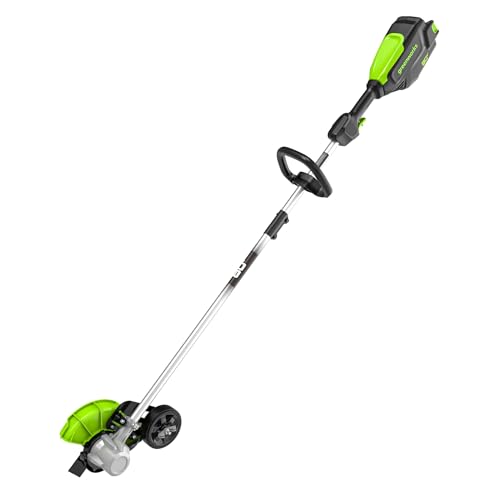 Greenworks ED80L02Deepest cut, most settings
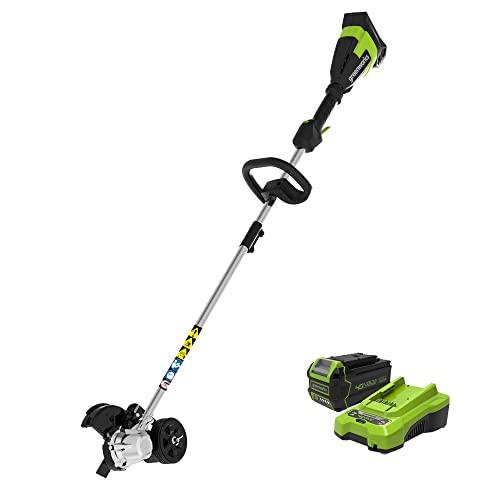 Greenworks ED40L410Battery and charger included
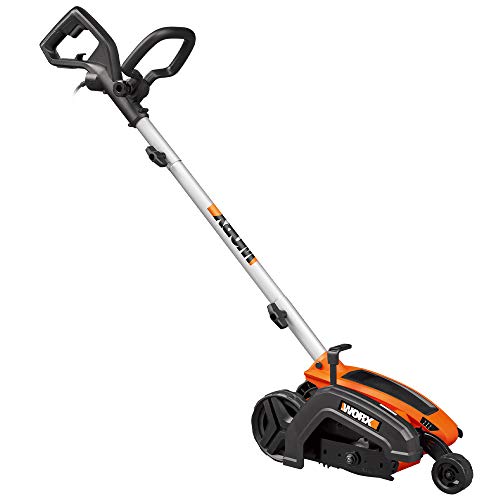 WORX WG896Corded with trenching mode
The basic difference
The two tools look alike from a distance, but they cut in different ways. A string trimmer spins a length of nylon line in a flat circle, so it slices through grass and soft weeds. A lawn edger turns a metal blade held upright, so it slices down into the soil and turf.
That difference explains the results. A trimmer shortens growth. An edger makes a defined line between lawn and hardscape. People use the names loosely, and many shoppers search for lawn edger vs weed wacker or lawn edger vs whipper snipper when they really want to know which tool does which job.
What a string trimmer does best
A string trimmer is the general-purpose cleanup tool. It reaches around fence posts, mailbox bases, tree trunks, raised beds and the edges of steps. It also handles tall grass in corners where a mower cannot fit.
Many trimmers can be turned on their side to run along a border. That gives a rough edge and works for quick touch-ups. It does not create a trench, though, and the line tends to wear a sloped, uneven edge over time. If you want a deeper look at battery options, our best cordless string trimmer page compares models side by side.
What a lawn edger does best
A lawn edger is a specialist. Its blade cuts a vertical face along a walkway, driveway or garden bed, which gives the lawn a crisp, finished look. Once the line is cut, it holds its shape longer than a trimmed edge does.
Blade size and cutting depth are the main specs to check. On our best lawn edger page, blade diameters run from 7 in to 9 in, and max cutting depth runs from 1.5 in to 2.25 in among the four models that list it. Weight runs from 7.06 lb to 14 lb, which matters if you edge long borders or steer around curves.
Some edgers add a curb wheel to track along a driveway edge. Others offer tool-free depth adjustment or a trenching mode. Edgers come in corded and battery versions, and some battery models ship without a battery or charger, so check what is in the box.
Side-by-side comparison
This table sums up how the two tools differ in everyday use. Edger numbers come from the models on our comparison page, and we compare published specifications rather than hands-on use.
| Feature | String trimmer | Lawn edger |
|---|---|---|
| Cutting tool | Spinning nylon line | Upright metal blade |
| Main job | Trimming grass and weeds | Cutting a clean border line |
| Reaches tight spots | Yes, around posts, trees and steps | Limited, best on straight or gently curved edges |
| Cuts into soil | No, and it can scalp or scar if misused | Yes, among listed models from 1.5 in to 2.25 in deep |
| Typical weight | Varies by model | 7.06 lb to 14 lb on our edger page |
| Cleanup needed | Clippings and flung debris | Soil and sod strips along the cut |
| Best for | All-around yard cleanup | Sharp edges along walks, drives and beds |
Which one to use and when
Think about the task first, then the tool. Here is a simple way to decide:
- Overgrown grass around a fence or tree: use a string trimmer.
- Crisp line along a sidewalk or driveway: use a lawn edger.
- Defining a new bed border: use an edger to cut the line, then a trimmer to tidy nearby growth.
- Quick touch-up between full edging sessions: a trimmer turned on its side is usually enough.
- Weeds growing out of pavement cracks: a trimmer can knock them back, but an edger can clear the crack edge more cleanly.
Using both safely
Both tools throw debris, so wear safety glasses or goggles every time, plus sturdy shoes, long pants and gloves. Gas and corded tools can be loud, so add hearing protection when needed. Keep pets, children and bystanders well back.
Before you cut a new edge, check for buried lines such as irrigation, low-voltage lighting or utility cables. If you plan to dig deeper than usual, call your local utility locating service first. Keep the blade away from rocks and hard curbs where you can, since a blade can kick back.
With a corded edger, use an outdoor-rated extension cord and keep it behind you, away from the blade. Never use electric tools in wet grass or rain. With battery tools, remove the battery before you clear jams or change line or blades.
If you can only buy one
Most yards benefit from a string trimmer first, because it handles more jobs. It trims around obstacles and tidies the odd corners that no other yard tool reaches. If your lawn runs along long straight walks or a driveway and you care about sharp lines, an edger adds a finish that a trimmer cannot match.
If you do choose an edger, start with the power source. Corded models need an outlet and an extension cord, while battery models move freely but may need a battery and charger bought separately. Then compare cutting depth, weight, blade size and features such as a curb wheel. Our lawn edger comparison puts those specs in one place.
Frequently asked questions
Can a string trimmer replace a lawn edger?
For light upkeep, yes. Turn the trimmer on its side and follow the border. The result is a rougher edge, and it will not cut a true trench. For sharp lines that last, an edger is the better choice.
Do I need to edge every time I mow?
No. Edging is usually done less often than mowing. Many people edge every few mows or when the line starts to blur. Trim as needed between sessions to keep growth off the border.
Is an edger the same as a trencher?
Not quite. An edger cuts a shallow, clean line. Trenching means cutting a deeper groove, often for a garden border. Some edgers include a trenching mode, so check the specs if you want that feature.
Should I edge before or after trimming?
Most people edge first, then trim, then mow or blow off debris. Edging first lets the trimmer clean up stray clippings and growth along the fresh line.
Can I edge a wet lawn?
It is best to wait. Wet soil clumps, sticks to the blade and makes a messy cut. Wet conditions also raise the risk when using electric tools, so edge when the grass and ground are dry.