Is Ice Melt Safe for Pets? Which Types to Choose
No ice melt is completely risk-free for pets, but some types are much gentler on paws than plain rock salt. Look for products that list a pet-safe claim and use magnesium chloride, calcium magnesium acetate or a chloride-free formula, then spread only a thin layer. Keep pets from eating it, and wipe paws after walks.
 Snow Joe AZ-50-EBBest overall
 Snow Joe AZ-BH-50Deep cold, large bag
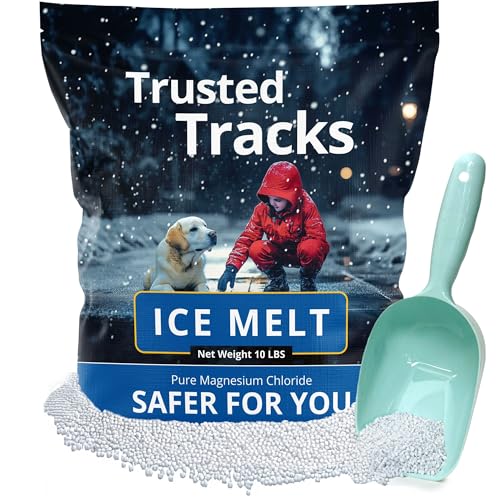 FIREKI ICEMELT-10-BAG-ALowest temperature rating
What "pet safe" really means on a bag
A pet-safe label is a maker claim, not a guarantee. On our spec sheet, every one of the 7 products carries a pet-safe mark, and each one is a claim taken from the listing, not an independent lab result. It tells you the maker designed the product to be gentler than rock salt. It does not mean a dog or cat can eat it.
The real risks come from two places. First, coarse or harsh salts can irritate paw pads, especially when ice is sharp and the pet walks on it for a while. Second, pets lick their paws, so any residue can end up in the mouth. Large amounts swallowed can upset the stomach, and some pets can get sicker. If your pet eats a large amount or seems unwell, call your vet or a pet poison hotline.
So the goal is to pick a gentler product, use less of it, and limit contact. That approach works better than hunting for a bag that promises zero risk.
The main types of ice melt and how they compare for pets
Most pet-friendly products fall into three groups: magnesium chloride, blends that include calcium magnesium acetate (CMA), and chloride-free granules. Here is how the products on our page line up, using their listed specs.
Rock salt (sodium chloride) is the one most often blamed for sore paws. It tends to be coarse and drying. The other types below are usually marketed as gentler alternatives, though each still needs sensible use.
| Type | Example on our page | Effective down to | Bag weight | Notes |
|---|---|---|---|---|
| Magnesium chloride | FIREKI Pet Safe Magnesium Chloride (two listings) | -35°F | 10 lb | Pet-safe and concrete-safe claims, not chloride-free |
| Magnesium chloride pellets | AquaDoc Pet Safe Magnesium Chloride | -13°F | 10 lb | Resealable container, pellets |
| Magnesium chloride | PawMedica Pet Safe Magnesium Chloride | -15°F | 8 lb | Pet-safe and concrete-safe claims |
| CMA blend | Snow Joe Premium Enviro Blend | -10°F | 50 lb | Pet, concrete and plant-safe claims, green tint |
| Calcium, magnesium and sodium blend | Snow Joe Blue Heat | -25°F | 50 lb | Pet, concrete and plant-safe claims, blue tint, pellets |
| Chloride-free | Safe Paw Pet Safe Ice Melt | -2°F | 8 lb | Pet, concrete and plant-safe claims, granules |
Match the product to your winters and your yard
Temperature matters as much as pet safety. An ice melt does little once the air drops below its rating, and people often add more when it stops working. That extra product is exactly what ends up on paws. Pick a rating that covers your usual lows so you can use a light hand.
Our listings run from -35°F to -2°F. The two FIREKI listings reach the lowest rating, -35°F. The chloride-free Safe Paw product has the highest rating at -2°F, so it suits milder winters better than deep cold. For a middle path, Snow Joe Blue Heat works down to -25°F and lists pet, concrete and plant-safe claims.
Think about plants too. Only some products list a plant-safe claim, and the chloride-free Safe Paw is one of them. If you have lawn beds along the walk, check that spec. You can compare all of these side by side on our best ice melt page.
Choose the right bag size and form
Bag weight runs from 8 lb to 50 lb on our sheet. A 50 lb bag, like the two Snow Joe products, suits a long driveway but is heavy to carry. An 8 lb jug or bag is easier to handle for steps and short paths, which are the areas pets use most.
Form and tint also help you use less. Snow Joe's green and blue tints let you see where you have spread, which helps you avoid piling product in one spot. AquaDoc's pellets are described as bright white and can go through a spreader. Untinted products give no visual cue, so spread slowly.
Storage is a small safety point as well. The AquaDoc listing mentions a 10 lb bucket with a screw-on lid. A sealed container keeps product dry and keeps curious pets away from it. Whatever you buy, store it out of reach.
How to use ice melt around pets
Even a gentle product works best with a few habits. Follow the bag directions, since more product does not melt ice faster once you pass the recommended amount.
Here is a simple routine:
- Shovel first. Clear as much snow as you can, so you need less product.
- Spread a thin, even layer. Apply it early, before ice bonds to the surface, because magnesium chloride listings note it works best at the start of snowfall.
- Wipe paws after every walk with a damp cloth, and check between the pads for grit.
- Keep pets from licking puddles, slush or paws until you have wiped them clean.
- Close the container and store it high, in a shed, garage or mudroom.
- Sweep up leftover pellets once the ice is gone.
When not to use ice melt
Sometimes the safest choice is to skip it. Do not use ice melt where a pet drinks or eats, such as around bowls or a pet's outdoor feeding spot. Skip it on a small patch where a dog does its business, and consider sand or plain shoveling there instead.
Also avoid it on new concrete unless the bag says it is safe, and keep it off lawns and planting beds unless the product lists a plant-safe claim. Do not apply it when the temperature is below the product's rating, since it will not work and you will only add residue.
Puppies, very small pets and animals that chew or lick everything need extra caution. Keep them away from treated areas until you have rinsed or swept them clear. Finally, wear gloves when handling product, and rinse your skin if it feels irritated. Never mix different ice melts in one container.
Frequently asked questions
Can I just use sand instead?
Sand adds traction but does not melt ice. It can be a good choice on small spots where pets spend time. It can track indoors, so you may want a boot tray by the door.
Is chloride-free the safest choice?
It may reduce one concern, but it is not a guarantee. The chloride-free Safe Paw listing is rated only to -2°F, so it only works in milder winters. Pets should still not eat any ice melt.
Does the color tint harm pets?
The listings describe tints as a way to see where you have spread. They do not say more than that, so check the maker's safety notes. The tint is not a reason to let pets lick treated ground.
Should I rinse my pet's paws or wipe them?
A damp cloth or a quick rinse with lukewarm water works. Dry the paws well afterward, and check between the pads for grit.
What should I do if my dog ate ice melt?
Call your veterinarian or a pet poison hotline right away, and have the product name on hand. Do not wait for symptoms if the amount was large.