Is Electrical Tape Safe for Exposed Wires?
Yes, electrical tape is safe for exposed wires when you use 600V-rated vinyl (PVC) tape, apply it correctly, and work on a wire with the power off. It is meant for insulating splices and small nicks in wire insulation. It is not a fix for badly damaged cords, wet locations without proper protection, or anything you can't de-energize first.
 Scotch 6132-BA-10-1-10Best overall
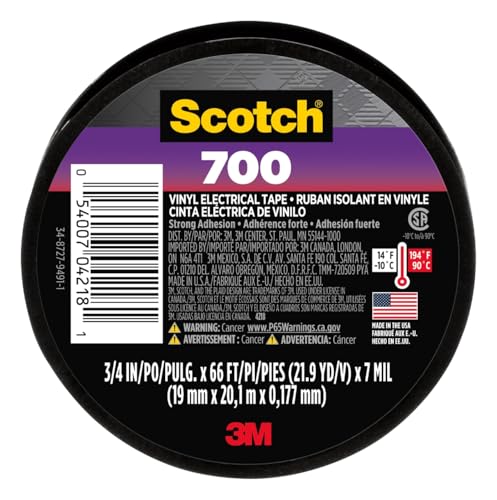 Scotch 700Single-roll Scotch pick
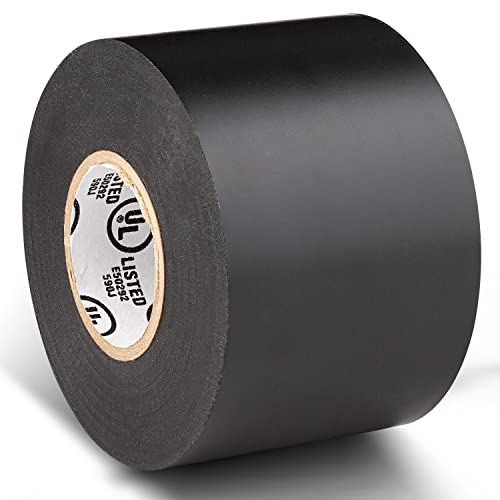 Tapix ET266BWidest tape in the lineup
When electrical tape is a safe choice
Vinyl electrical tape is made to insulate and protect conductors. The backing is a plastic film that does not conduct electricity, and the adhesive holds it in place as you wrap. For a small bare spot on a wire, or a splice joined with a wire connector, good tape is a reasonable and common solution.
The key phrase is good tape. Our best electrical tape page focuses on vinyl tape rated for 600V, because that rating is standard for building wire and most splices. Duct tape, masking tape, foil tape and clear packing tape are not designed to insulate live conductors, and they should never stand in for the real thing.
Check the tape before you use it
Not every roll labeled "electrical tape" gives you the same protection. Look at the package for a few details before you start.
Stick to rolls that list these features:
- A 600V voltage rating, so it can serve as primary insulation on a splice.
- A temperature range that fits the spot. Hot panels and cold outdoor boxes both put stress on the adhesive.
- A UL listing, which shows the tape was certified to a safety standard such as UL510.
- A flame-retardant claim, which is common on vinyl tape but is not the same as a UL listing.
- Enough width for the job. Most rolls are 0.75 in wide, which suits everyday splices.
How to tape an exposed wire correctly
Taping works best as the last step of a repair, not the only step. If bare copper is showing at a joint, the connection should be made first, then wrapped. Follow this order:
- Turn off the power at the breaker and confirm the wire is dead with a non-contact tester or a multimeter.
- Make the connection with a wire connector, or twist and secure the bare section if you are only covering a nick.
- Clean and dry the wire. Dirt, oil and moisture keep the adhesive from bonding.
- Start wrapping on the intact insulation, about an inch before the bare spot.
- Stretch the tape slightly and overlap each turn by about half its width.
- Continue until you are well past the exposed area, again onto good insulation.
- Finish with one or two extra layers and press the end down so it does not lift.
- Leave the power off until you have checked that no bare metal shows.
Can you tape a live wire?
You should not. Taping a live wire puts your hands near a current path, and a slip can cause a shock, a short or an arc. Even though the tape itself is rated for 600V, that rating does not make it safe to wrap with your fingers on a wire that is energized.
Always shut off the circuit first. If you can't tell which breaker feeds the wire, or you can't turn it off, stop and call a licensed electrician. Wear safety glasses when working in a panel or box, and never work on wiring while standing in water or on a wet surface.
What not to use electrical tape for
Tape has limits. It is a covering, not a repair for every kind of damage. The table below shows where tape fits and where another solution is better.
| Situation | Is tape enough? | Better option |
|---|---|---|
| Small nick in wire insulation | Usually yes | Wrap with vinyl tape over the nick and onto good insulation |
| Splice made with a wire connector | Yes, as extra protection | Tape the base of the connector and the wires |
| Frayed or cracked appliance cord | No | Replace the cord or the appliance |
| Damaged wiring inside a wall | No | Have the wire repaired or replaced, with splices in an accessible box |
| Wire in a wet or buried location | Not by itself | Use connectors or enclosures rated for that location |
| Wire near high heat | Only if rated | Use heat-rated insulation or sleeving |
Matching the tape to the job
Product details vary, so it helps to see how a few rolls compare. These figures come from published specifications.
All four rolls below are rated for 600V. They differ in width, temperature range and listing, which is why it pays to read the label.
| Tape | Width | Temperature range | UL listed |
|---|---|---|---|
| Scotch Super 33+ | 0.75 in | 0°F to 220°F | Yes |
| Tapix wide tape | 2 in | Not listed | Yes |
| Maxwel black PVC | 0.75 in | Max 221°F | Not shown |
| RED WOLF vinyl | 0.5 in | Max 176°F | Yes |
A note on heat and cold
Tape that is too warm can soften and slip, and tape that is too cold can lose its grip. If a roll does not publish a temperature range, you can't confirm how it behaves in a hot panel or a freezing outdoor box. For a fuller side-by-side of widths, ratings and pack sizes, see our electrical tape comparison.
Frequently asked questions
Can I put electrical tape directly on bare copper wire?
Yes, as long as the power is off. Wrap past the bare section onto intact insulation so the tape has something solid to grip and the copper is fully covered.
Will electrical tape last forever?
No. Adhesive can dry out or loosen over time, especially with heat, moisture or movement. Check taped spots when you have a reason to open the box, and redo any that look loose or sticky.
Is electrical tape better than a wire connector?
They do different jobs. A connector joins the wires, and tape adds insulation and protection around the joint. Tape alone is not a substitute for a proper connection.
Should I use colored tape?
Colored tape is fine for insulation and helps you label circuits or phases. Just make sure it carries the same 600V rating as black tape.