Is a Cement Mixer the Same as a Concrete Mixer?
Yes, in everyday use a cement mixer and a concrete mixer are the same machine. Both are rotating-drum or paddle machines that blend cement, sand, gravel and water into concrete. Strictly speaking, "concrete mixer" is the more accurate name, because cement is only one ingredient in the finished mix.
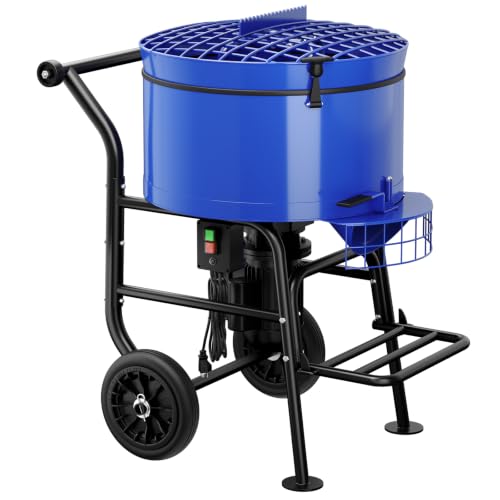 Dkenicor KF100368US-01LHC-001-YIH
 Dkenicor KF100322US-02MLHC-001
 Dkenicor KF100248-02-YH-O
The short version: one machine, two names
When people search for a cement mixer, a concrete mixer, or "concrete mixer vs cement mixer," they are almost always looking for the same thing. It is a motorized drum on a stand or frame that tumbles ingredients together until they form a uniform mix. Retailers, rental yards and manufacturers use both names, often for the very same model.
The two words differ only in precision. Concrete is the finished material. Cement is one ingredient inside it. A machine that makes concrete is, technically, a concrete mixer. "Cement mixer" stuck around as a casual nickname, much like calling the big truck on a job site a "cement truck" when it actually carries concrete.
Cement vs. concrete: why the words get mixed up
Cement is a fine powder that acts as the binder. When it gets wet, it undergoes a chemical reaction that hardens and glues other materials together. On its own, cement is not used as a finished surface.
Concrete is what you get when you combine cement with water, sand and a coarse aggregate such as gravel or crushed stone. This is the material in driveways, footings, patios and slabs. Mortar, which is used between bricks and blocks, is a different mix that leaves out the coarse stone.
That last point matters when you shop. Some machines are built mainly for mortar and plaster. They often use a paddle inside a trough instead of a tumbling drum, and they are a poor match for stone-filled concrete. If a product page says "mortar mixer," check whether it is meant for concrete before you buy.
Common types of mixers and what they suit
Most of the confusion goes away once you look at how the machine is built rather than what it is called. Here is a general overview of the styles you will see.
For a closer look at specific models, our best concrete mixer comparison lines up published specifications side by side.
| Type | How it works | Typical use | Power |
|---|---|---|---|
| Portable drum mixer | Tilting drum with internal fins tumbles the mix | Small slabs, fence post footings, repairs | Electric motor |
| Towable drum mixer | Larger drum on a wheeled frame | Bigger pours and repeated batches | Gas engine or electric |
| Mortar or paddle mixer | Paddles turn inside a trough or tub | Mortar, plaster, stucco, thin mixes | Electric or gas |
| Handheld paddle mixer | Drill-style motor spins a paddle in a bucket | Small bags of mortar, grout, patch mix | Electric |
| Truck mixer | Large rotating drum on a truck | Delivered concrete for large jobs | Truck engine |
How to choose one for your project
Start with the size of the job, because it drives everything else. A few fence posts need very little concrete. A patio or shed slab needs a lot more, and you have to keep mixing batches fast enough that the earlier ones do not stiffen before you finish.
Then work through these questions:
- Batch size: check the drum capacity and the usable mixing volume in the product data. The usable amount is normally smaller than the full drum.
- Power source: electric models need a nearby outlet and are quieter. Gas models suit job sites without power but are louder and need fuel.
- Portability: consider the weight, the wheel design and whether you can load it in a vehicle or move it across your yard.
- Drum material and finish: a steel drum is common, and a smooth interior makes cleanup easier.
- Mixing style: choose a drum for concrete with gravel, and a paddle mixer for mortar and plaster.
Matching a mixer to home projects
For most homeowners, a portable electric drum mixer covers the typical weekend project. Think of setting posts, building steps, repairing a walkway or pouring a small pad. You get consistent mixing without the effort of turning a wheelbarrow by hand.
If you only expect to mix a few times, our best concrete mixer for home use page narrows the field to models that suit smaller, occasional jobs. If you plan larger pours or frequent use, a towable or higher-capacity machine may be the better fit.
Whichever you pick, read the manufacturer's stated capacity and duty guidance. Overloading a drum strains the motor and gives you a poorly blended batch.
Safety and good habits at the mixer
Concrete work looks simple, but it has real hazards. Dry cement dust irritates the eyes, nose and lungs, and wet concrete is caustic to skin.
Keep these points in mind every time you mix:
- Wear safety glasses or goggles, waterproof gloves, long sleeves and boots. Wash off any splashes right away.
- Wear a dust mask or respirator rated for fine dust when pouring dry mix into the drum.
- Use hearing protection around gas engines and loud motors.
- For electric models, plug into a GFCI-protected outlet, keep cords out of water and standing puddles, and never run the machine in rain.
- Never reach into a turning drum. Switch it off and unplug it or shut down the engine first.
- Run gas engines outdoors only, in open air, because exhaust contains carbon monoxide.
- Set the mixer on firm, level ground so it does not tip, and get help when lifting or tilting a heavy drum.
- Clean the drum while the residue is still wet. Hardened concrete is hard to remove and can damage the drum.
Frequently asked questions
Is it cement mixer or concrete mixer?
Either term works in conversation, and both point to the same type of machine. Concrete mixer is the more accurate name, so it is the better choice when you search or read product specifications.
Can I use a concrete mixer for mortar?
Often yes for small batches, but check the manufacturer's guidance. Mortar is thicker and stickier, and paddle mixers usually handle it better than a tumbling drum.
Why do people call a concrete truck a cement truck?
It is a habit. The truck delivers concrete, not plain cement, but the shorter, older word stayed in common speech.
Do I need a mixer, or can I mix by hand?
Hand mixing in a wheelbarrow or tub works for very small jobs. A mixer saves effort and gives a more even blend once you need several batches.
How soon should I clean the mixer after use?
Right away, while the concrete is still wet. Rinse the drum with water and scrub out residue before it hardens.