How Wooden Gate Sagging Affects Your Gate Locks
A sagging wooden gate drops the latch side below the strike, so the latch stops catching, binds, or wears out early. Fix the sag first, then adjust or replace the latch. A latch with a wider catch zone can help, but it will not cure a gate that keeps dropping.
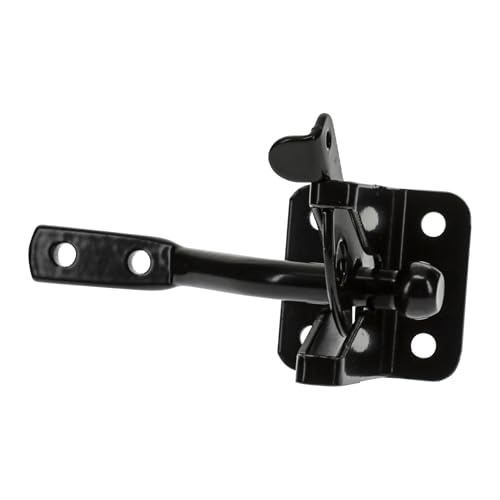 National Hardware N184-861Best overall
 HILLMASTER 3830Long 10 in latch body
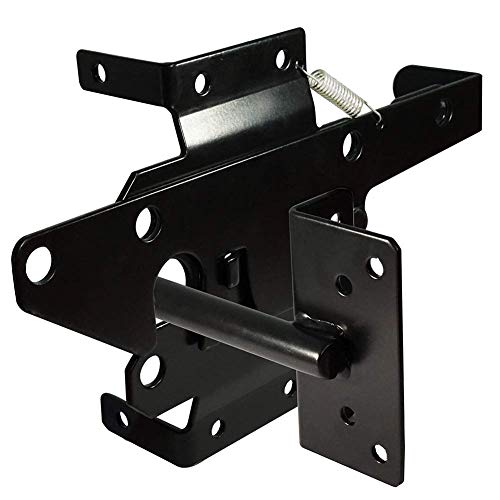 SANKINS 782902358389Mid-length steel gravity latch
Why sagging and latches do not mix
A wooden gate hangs from its hinges, and gravity pulls the free end down all day. Over time the frame racks out of square, the latch edge drops, and the gate leans toward the ground. The latch on the gate and the strike on the post no longer meet at the same height.
Wood also moves with the weather. It swells when damp and shrinks when dry, so the gap between gate and post changes through the year. A latch that lined up in spring can miss in summer.
Most latches need a fairly exact meeting point. The bolt, bar, or gravity arm has to land inside the catch. Even a small drop can turn a smooth click into a gate that will not stay shut.
Signs your latch is being affected
Sagging rarely shows up as one big failure. It builds slowly, so watch for small changes in how the latch behaves.
- You have to lift the gate or push it hard to make the latch catch.
- The gate bounces back open instead of locking.
- The latch bar scrapes the strike or the post with a metal on metal sound.
- Screw holes look wider, or screws feel loose in the wood.
- The latch body looks bent, or the strike has shiny wear marks on one edge.
- A gap shows along the top of the gate that is wider than the gap along the bottom, or the other way around.
Fix the sag before you touch the latch
Moving the latch to chase a drooping gate only works for a while. The gate keeps dropping, and you end up with fresh holes in the wood and the same problem. It is better to square the gate first, then set the latch to match.
Here is a simple order of work:
- Check the hinges. Loose screws or worn hinge pins let the gate tip. Tighten them or replace them with longer screws that reach solid wood.
- Check the post. A leaning or wobbling post will undo any gate repair. Firm up the post before anything else.
- Square the frame. Lift the latch end until the gate sits level, then see whether the frame joints have opened. Re-fasten loose joints with exterior screws.
- Add a brace. A diagonal brace running from the bottom hinge side up to the top latch side helps hold the frame square. Another option is a tensioned cable or turnbuckle kit made for gates.
- Reset the latch and strike. Once the gate hangs level, mount the latch so the catch lines up with the strike, and test it a few times.
How long a latch lasts on a sagging gate
There is no fixed number of months or years, because it depends on how far the gate has dropped, how often it is used, and how much weather it sees. What we can say is that a misaligned latch works harder every time it closes. The bolt scrapes, the strike wears, and the screws take sideways force they were not meant for.
That extra strain shortens the working life of the latch. It also loosens the screws in the post, which makes the sag worse. It is a loop, and the fastest way out is to square the gate, not to keep adjusting the hardware.
Finish matters here too. Scraping can wear through a coating, and bare steel rusts faster. Our guide to gate locks for wooden gates points out that a black finish alone tells you color, not corrosion resistance, so look for a named coating such as powder coat or zinc plating.
Latch specs that help with a moving gate
If your gate shifts a little with the seasons, some specs give you more room for error. Others can make the problem harder to live with. Here is how a few products on our spec sheet compare on the points that matter for a gate that is not perfectly steady.
For a wider look at all the options, see our comparison of the best gate locks for wooden gates.
| Product type | Listed detail | Why it matters with sag |
|---|---|---|
| Long latch body | 10 in, inward and outward swing | More length to reach the strike if the gate drops |
| Mid-length gravity latch | 8.5 in, 1.68 lb, inward and outward swing | Solid steel body; gravity action closes by itself |
| Wider gap latch | Listing says it covers a gap up to 1-9/16 in between gate and post | Helps when the gap changes with the weather |
| Compact gravity latch | 4.125 in, 6 screws | Short reach, so it needs a gate that hangs true |
| Anti-sag gate kit | 9.7 lb, a gate rebuild kit and not a simple latch | Targets the cause, not just the symptom |
| Outswing self-latching latch | Outswing only, padlockable, WeatherGuard coating | Only works if the gate swings outward |
Choosing a replacement latch
First, confirm the swing direction. A latch listed for outswing gates only will not catch on an inswing gate, no matter how well the gate is squared. Next, think about reach. Longer latches and ones listed for a wider post gap give you more room if the gate moves a bit.
Self-latching types close on their own each time, which matters near pets, children, and pools. If the gate sags enough to stop the latch from catching, though, a self-latching latch will not protect anyone. That is another reason to fix the sag first.
Check the screws as well. Wood posts hold screws well when the wood is sound. If the old screw holes are stripped, move the latch a little, fill the old holes with wood filler and a dowel, or use longer screws that reach fresh wood. If you want a hinge and latch upgrade together, one set on our page includes two 6 in hinges, a latch, a handle, and 26 screws.
Safety notes
Gates can be heavy, and wood can shift suddenly when you take out screws. Support the gate with a helper or a block under the latch end before you loosen hinges.
Wear safety glasses when you drill or drive screws, especially into old wood that can splinter. Use hearing protection if you run a corded or cordless drill for long stretches. If you use a ladder on a tall gate, set it on firm, level ground.
If a gate guards a pool or a play area, keep it closed and latched while you work, or block off the area, so a child or pet cannot walk through the gap.
Frequently asked questions
Can a loose latch cause a gate to sag?
Not directly. Sagging comes from the hinges, the frame, or the post. But a latch that you have to force shut puts extra load on the post and can speed up the damage.
Should I replace the strike or the whole latch?
If only the strike is worn or bent, replace that part when the maker sells it separately. If the latch bar is also bent or rusted, replace the whole set.
Does a gravity latch handle sagging better than a spring latch?
Not by itself. Both need the catch and strike to meet. Gravity latches close by their own weight, but they still need a gate that hangs level.
How often should I check my gate for sag?
A quick look every few months works well, and again after heavy rain or a long dry spell. Catching a small drop early is much easier than rebuilding a frame.