How to Use Screwdriver Bits in a Drill Driver
Yes, you can use screwdriver bits in a drill driver. Insert the bit shank into the chuck, tighten it, match the bit to the screw head, set the clutch and a low speed, then press straight in and squeeze the trigger gently. Most stripped screws come from the wrong bit size, too much speed, or too little downward pressure.
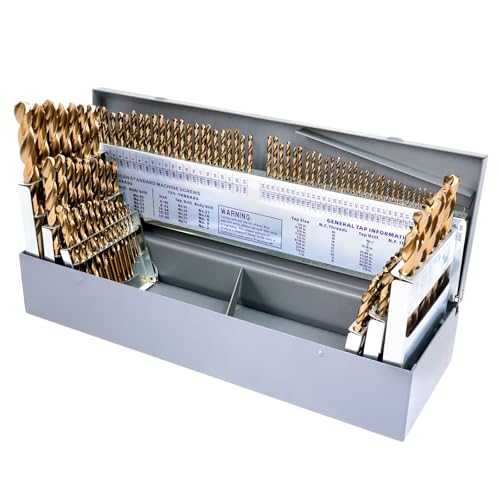 SEDIANAS 115 PCS Cobalt Drill Bit Set
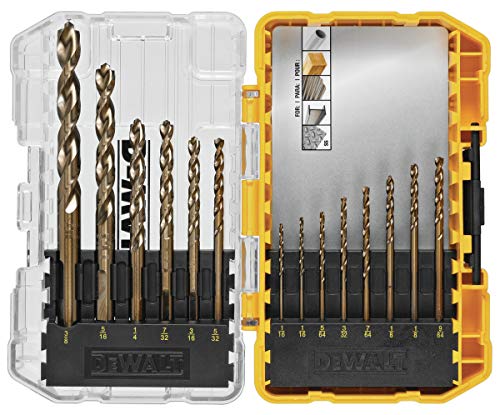 DEWALT DWA1240Cobalt set with adjustable case
 CRAFTSMAN CMAM2214Best overall
What You Need Before You Start
A drill driver grips round or hex shanks in its chuck, so a screwdriver bit works just like a drill bit does. Most screwdriver bits for power tools have a 1/4 inch hex shank, which a standard three-jaw chuck grips well. Hex shanks resist spinning inside the jaws better than smooth round ones.
You can use short insert bits directly in the chuck, but they are often held better in a magnetic bit holder. A holder keeps the bit centered and lets you swap bits quickly. If you are shopping for a full kit, our best drill driver bit set page compares what each set includes.
- A drill driver with a working battery or a cord in good condition
- A screwdriver bit that matches your screw head
- A magnetic bit holder (optional, but handy)
- Safety glasses
- The screws you plan to drive
Step by Step: Loading and Driving a Bit
The process takes less than a minute once you have done it a few times. Work in this order so the tool never starts by accident.
- Remove the battery or unplug the drill. This prevents an accidental start while your fingers are near the chuck.
- Open the chuck by turning the sleeve counterclockwise until the jaws are wider than the bit shank.
- Insert the bit or bit holder as far as it will go, then tighten the chuck by hand. Give it a final firm twist so all three jaws grip.
- Reinstall the battery and select the forward direction.
- Choose a low speed setting and a clutch setting (more on this below).
- Place the bit tip fully into the screw head, keep the drill in line with the screw, and press firmly.
- Squeeze the trigger slowly. Let the clutch click when the screw is seated, then release.
Match the Bit to the Screw
The bit must fill the screw recess snugly. A bit that is too small wobbles and chews up the head, which is called cam out. A bit that is slightly loose is a common cause of stripped screws, so check the fit before you pull the trigger.
Look at the head and choose the bit shape that matches it. Many screws are marked with a size, and bit sets label their tips to match.
| Screw head | Common bit name | Best for |
|---|---|---|
| Cross with a four-point star | Phillips | General household and drywall screws |
| Cross with extra notches | Pozidriv | Cabinets, furniture and some construction screws |
| Straight slot | Slotted | Older hardware and some electrical covers |
| Six-point star | Torx | Deck screws and many modern fasteners |
| Square socket | Square (Robertson) | Deck and construction screws, good grip |
| Hex socket | Hex | Furniture assembly and some machinery |
Set the Clutch and Speed
The numbered ring behind the chuck is the clutch. It limits how much twisting force reaches the screw. When the set limit is reached, the clutch clicks and the bit stops turning the screw instead of overdriving it.
Start with a low number and test on scrap material. Raise the setting one step at a time until the screw sits flush with the surface. Soft materials such as thin wood need a low setting. Hardwood and long screws need a higher one.
Use the low speed range for driving screws. Most drill drivers have a gear switch on top, and the low gear gives more control. Save the high gear for drilling holes. Avoid drill mode, the symbol that looks like a drill bit, because it bypasses the clutch and makes overdriving easy.
Technique That Prevents Stripped Screws
Good technique matters as much as good bits. Keep the drill square to the screw so the bit does not tilt out of the recess. Lean your body weight behind the drill and push firmly toward the work.
Start slowly and increase speed only after the screw bites. In hard wood, drill a pilot hole first, using a drill bit slightly narrower than the screw core. This also helps prevent splitting near board edges. If you want to compare options for that step, our best drill driver set page covers kits that pair a driver with accessories.
If the bit starts to slip, stop right away. Continuing to spin a slipping bit rounds off the recess, and then the screw is hard to remove. Back the screw out, check the bit for wear, and try again with a fresh tip.
Safety Notes
Wear safety glasses every time. Bits can slip, screws can snap, and fragments can fly. Wear hearing protection if you are driving many long screws or working with a loud tool.
Keep your free hand away from the screw and the bit path, and clamp small workpieces instead of holding them. Never wear loose sleeves, jewelry or gloves that could catch in the chuck. If you work near hidden wiring, use caution when driving long screws into walls, because a screw can hit a live cable. Cut power to that circuit first when you are unsure what lies behind the surface.
Worn bits can overheat and break, so replace any bit with rounded or chipped tips. Bits can also be hot right after heavy use, so let them cool before you handle them.
Choosing a Drill for Driving Screws
Any drill driver with a clutch and variable speed trigger can handle household screws. If you plan to do a lot of fastening, look for a comfortable grip, a clutch with many settings and a reliable chuck. Our best drill page compares models side by side so you can see which features match your projects.
Frequently asked questions
Can I use a hand screwdriver bit set in a drill?
Yes, if the bits have a 1/4 inch hex shank. Impact-rated bits are better for heavy fastening. Short bits with plain, thin shanks can be hard to grip, so use a bit holder.
Why does my bit keep slipping out of the screw?
The most common causes are the wrong bit size, a worn tip, or too little downward pressure. Try a new bit of the correct type and press harder with the drill kept straight.
Can I use a regular drill bit and a screwdriver bit in the same drill?
Yes. Both types go into the same chuck. Change the clutch and speed settings when you switch between drilling and driving.
Should I use the drill setting or the clutch setting for screws?
Use the clutch setting. Drill mode skips the clutch and lets the drill keep turning at full force, which can strip screws or sink them too deep.