How to Use Cobalt Drill Bits on Metal and Steel
Yes, cobalt drill bits work on metal, and they are built for hard metals like stainless steel. Mark the spot, clamp the work, start with a small pilot hole, drill at a slow speed with steady pressure, and keep the bit cool with cutting oil. Heat is what dulls bits, so slow and steady beats fast and forceful.
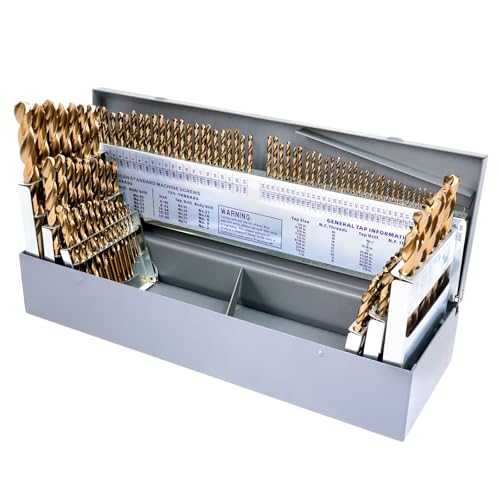 SEDIANAS 115 PCS Cobalt Drill Bit SetBest overall
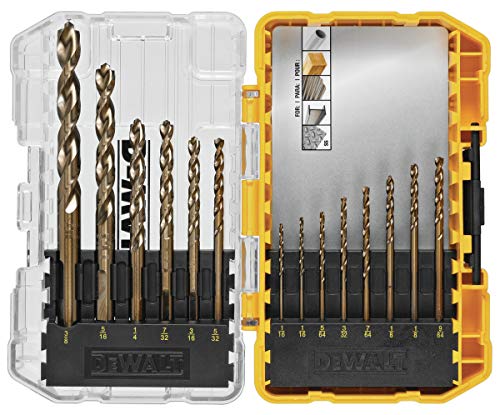 DEWALT DWA1240Fewest pieces, tidy case
 STROTON .M42 steel, 8% cobalt
Can cobalt drill bits be used for metal?
They can, and metal is what they are made for. Cobalt steel resists heat, which is the main thing that dulls ordinary bits in stainless steel and other tough metals. They also handle mild steel, cast iron, and aluminum, so one set covers most metal jobs around a shop or garage.
Cobalt bits are harder than standard bits, which also makes them more brittle. They hold an edge well but can snap if you wobble, bend, or force them. That is why technique matters as much as the bit. If you are still choosing a set, our best cobalt drill bits page lays out steel grade, cobalt share, tip angle, and case details side by side.
Gear and safety before you drill
Drilling metal throws sharp chips and creates hot surfaces. A few minutes of setup prevents most injuries and most broken bits.
Never hold small metal pieces by hand. A bit that catches can spin the workpiece and cut you. Keep long hair, loose sleeves, and jewelry away from the chuck. If you use a corded drill, check the cord and keep it clear of the bit path.
- Wear safety glasses or goggles. Metal chips can fly off in any direction.
- Wear hearing protection if you drill a lot of holes, since metal drilling can be loud.
- Use work gloves only when handling stock, and take them off while the drill is running if they could catch.
- Clamp the workpiece in a vise or with C-clamps, never by hand.
- Let the metal cool before you touch it. Both the bit and the hole get hot.
- Clear chips with a brush or a hook, not bare fingers.
Step by step: drilling steel and other metal
Follow this order for clean holes with less wear on the bit. It works for stainless, mild steel, and most other metals.
- Mark the hole with a center punch. A small dimple gives the tip a place to start so it does not skate across the surface.
- Clamp the work firmly and support it from underneath so it cannot shift when the bit breaks through.
- Pick a bit that matches the hole size. For larger holes, drill a smaller pilot hole first, then step up to the final size.
- Seat the bit fully in the chuck and tighten it evenly. Make sure it runs straight with no wobble.
- Add cutting oil to the mark. Reapply as you go.
- Start slowly, hold the drill square to the surface, and apply steady pressure.
- Back the bit out now and then to clear chips and add oil, especially in deeper holes.
- Ease off as the bit breaks through the far side, since that is when it is most likely to grab.
Speed, pressure, and lubricant
The most common mistake is running the drill too fast. High speed builds heat at the tip, and heat is what ruins the edge. In hard metals, slower speed with firm, even pressure gives better results than a fast spin.
Pressure matters too. Too little and the bit rubs instead of cutting, which heats the surface and can work harden it, especially in stainless. Too much and you risk snapping the bit. You want the bit to produce a steady curl of chips. Long strips of metal are a good sign. Dust or blue smoke means something is off.
Lubricant carries heat away and helps chips clear. Use cutting oil for steel and stainless. A drill press is the easiest way to keep the bit square and the pressure steady, but a hand drill works if you brace yourself and keep the angle true. Our best drill page is a good place to compare drills if yours struggles to hold a slow speed under load.
| Metal | Approach | Lubricant |
|---|---|---|
| Stainless steel | Slow speed, steady firm pressure, do not stall or dwell | Cutting oil, reapplied often |
| Mild steel | Moderate speed, steady pressure | Cutting oil |
| Cast iron | Slow to moderate speed, clear chips often | Often drilled dry, or light oil |
| Aluminum | Moderate speed, back out to clear soft chips | Light oil or cutting fluid |
Choosing the right cobalt bit
Two things shape how a cobalt bit behaves: the steel grade and the tip. On our comparison page, the listings show M35 steel with 5% cobalt and M42 steel with 8% cobalt. A higher cobalt share points to more heat resistance, but the maker's listed hardness and coating also matter.
For starting accuracy, look for a split point tip. The listings that include one show a 135° tip angle, which cuts into hard metal without wandering. It reduces the need for a deep punch mark, though a punch dimple still helps. One set on our page, from Crosstar, lists a three-flute design and a TiAlN coating but no split point, so check that spec if walking is a concern.
Shank shape matters if you use an impact driver or want a firmer grip. A three-flat shank locks into the chuck better than a plain round one. Set size is the last choice. A 29-piece set can cover 1/16 inch to 1/2 inch in 1/64 inch steps, which suits many jobs. If you only drill a few sizes, a smaller set is enough.
Troubleshooting common problems
Most problems come from heat, wobble, or too little or too much pressure. Use these quick checks.
If the bit walks off the mark, add a center punch dimple, start slower, and drill a small pilot hole first. If it squeals or smokes, stop, let it cool, add oil, and lower the speed. If the bit stops cutting in stainless, you may have work hardened the spot. Increase pressure slightly, keep the speed low, and do not let the bit spin without cutting.
If bits break, check for side load. Keep the drill square, clamp the work, and avoid prying or tilting. A snapped bit can throw fragments, so keep your eye protection on the whole time.
One more note: cobalt bits are for metal, not masonry. For brick or concrete, see our best masonry drill bits page. And for shaping or enlarging holes after drilling, a rotary tool is another route, covered in our best die grinder bits for metal guide.
Caring for your bits
Wipe oil and chips off after use and store bits in their case so the tips do not knock together. A case with size markings makes it easy to put each bit back in its slot. A sharp bit makes better holes and needs less force, so replace or resharpen any bit that stops cutting cleanly.
Frequently asked questions
Do I need a drill press to use cobalt bits?
No. A hand drill works if you clamp the work, hold the drill square, and keep the speed low. A drill press just makes it easier to hold steady pressure and a straight angle.
Can I use cobalt bits in an impact driver?
Only bits with a suitable shank. A three-flat shank grips better, and some round shank bits can slip. Check the maker's listing before using one in an impact driver.
Why does my bit turn blue?
Blue discoloration means the tip got too hot. Stop, let it cool, add cutting oil, and drill slower. A bit that has overheated may not cut well afterward.
Are cobalt bits only for stainless steel?
No. They also drill mild steel, cast iron, and aluminum. They are most useful on hard metals, where ordinary bits dull fast.