How to Use a Wood Lathe to Make a Bowl
To turn a bowl, mount a round blank on the lathe, shape the outside, form a tenon or recess so a chuck can grip the base, flip the bowl, then hollow the inside with sharp tools and sand it. Go slowly, keep the tool rest close, and wear a face shield. A chuck that grips the bowl securely makes the whole job easier and safer.
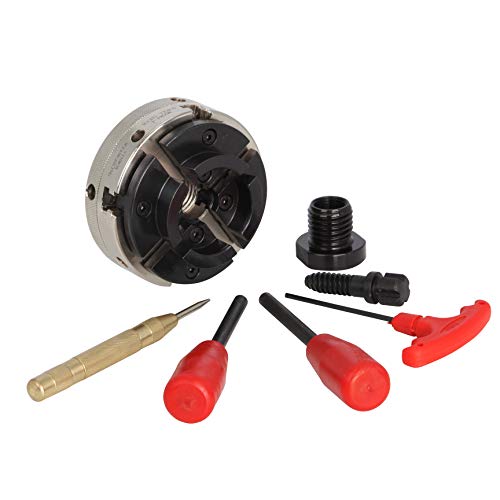 VINWOX SCR4-4Best overall
 NNBWKIXI NNBWKIXI0611Largest chuck body
 BMTURNING SCK-3/4RSmallest body, reversible jaws
What you need before you start
Bowl turning needs a few basics, and most of them are about holding the wood safely. You can start with a faceplate, but a scroll chuck gives you more flexibility once you want to reverse the bowl and finish the base.
If you are still choosing equipment, our guide to the best wood lathe compares published specifications such as swing and motor power. Swing is the largest diameter your lathe can spin over the bed, so it sets the maximum bowl size.
- A lathe with a sturdy tool rest and a tailstock
- A chuck or faceplate to hold the blank
- A bowl gouge, a round-nose scraper and a parting tool
- A face shield, hearing protection and a dust mask
- Sandpaper in several grits, plus a finish such as oil or wax
- Calipers or a ruler to check wall thickness
Safety comes first
A spinning blank can throw chips, dust or the whole piece. Take a minute to set up safely every time, even for a quick session.
Never use a blank with deep cracks, loose bark or rot, because it can fly apart under load.
- Wear a full face shield, not just safety glasses, and use hearing protection.
- Wear a dust mask or respirator. Fine wood dust irritates lungs and some species cause allergic reactions.
- Tie back long hair and remove jewelry. Avoid loose sleeves and gloves near the spinning wood.
- Rotate the blank by hand before powering on to confirm it clears the tool rest.
- Stand to the side of the blank's spinning path when you switch on, not directly in line with it.
- Keep your tools sharp. Dull tools make you push harder, which causes slips.
Choose and prepare the blank
Beginners often do well with a blank cut from a log or a thick board. Green (freshly cut) wood is soft and cuts easily, but it can warp as it dries. Dry wood is more stable but harder on tools.
Mark the center, then use a bandsaw to cut the blank round. A round blank spins with less vibration, which is easier on you and your lathe. Make sure the grain runs across the bowl, so the grain direction is parallel to the lathe bed once mounted on the faceplate.
Secure the blank with the tailstock for extra support while you rough out the outside. This keeps it steady until the shape is balanced.
Mount the blank and shape the outside
Most bowls are turned in two stages. First you shape the outside and create a way to grip the base. Then you reverse the bowl and hollow the inside.
Follow these steps for the first stage:
- Mount the blank securely, with the future bottom of the bowl facing the headstock or the tailstock, depending on your plan.
- Set the tool rest slightly below the center line and close to the wood.
- Start at a low speed and increase only after the blank runs smoothly.
- Use a bowl gouge to rough the outside into a rounded shape, cutting from the larger diameter toward the smaller.
- Cut a tenon (a short post) or a recess on the base so a chuck can grip it.
- Refine the curve and smooth the outside surface with light, controlled cuts.
Hollow the inside
Remove the blank, mount it in the chuck by the tenon or recess, and check that it seats firmly. This is where grip matters most, because the hollowing cuts put real force on the jaws. Our comparison of the best wood lathe chuck for bowl turning covers the published jaw and capacity specifications to look at.
Begin at the rim and work toward the center in shallow passes. Let the bevel of the gouge rub on the wood and push the cut gently, rather than forcing it. Stop the lathe often and check wall thickness with calipers.
Keep the walls even. Thin spots near the rim can chatter or split, and an uneven wall can crack as the wood dries. Finish the inside with a few light shearing cuts or a round-nose scraper, taking only whisper-thin shavings.
Sand, finish and part off
Slow the lathe down before sanding. Start with a coarser grit to remove tool marks, then step up through finer grits, and wipe off dust between each one. Skipping a grit leaves scratches that show up later under finish.
Apply your chosen finish while the bowl is still on the lathe at a low speed, using a lint-free cloth. Keep rags from oil finishes flat and away from heat, since oily rags can self-heat and ignite when bunched up.
Finally, remove the tenon. Reverse the bowl onto a jam chuck or use a holding method that supports the rim, then turn the base clean. Sand and finish the bottom, and the bowl is done.
Common problems and quick fixes
Most early frustrations have simple causes. This table can help you diagnose them before blaming the tools.
| Problem | Likely cause | What to try |
|---|---|---|
| Rough, torn grain | Dull tool or cutting against the grain | Sharpen the tool and change cut direction |
| Vibration | Blank out of balance or too fast | Reduce speed and true up the blank |
| Catches (digs) | Tool rest too far from wood or wrong angle | Move the rest closer and rub the bevel |
| Blank loosens | Poor tenon or chuck grip | Re-cut the tenon and tighten the chuck |
| Cracks while drying | Uneven walls or fast drying | Keep walls even and dry slowly |
Frequently asked questions
What speed should I run the lathe?
Start slow, especially with an unbalanced blank, and raise the speed only as the blank runs smoothly. Larger blanks need slower speeds than small ones.
Do I need a chuck, or is a faceplate enough?
A faceplate works for getting started. A chuck lets you reverse the bowl and finish the base more cleanly, so many turners add one soon.
Can I turn a bowl from green wood?
Yes. Green wood cuts easily, but it can warp or crack as it dries, so keep the walls even and let it dry slowly.
Why do my cuts leave tear-out?
Tear-out usually comes from dull tools or cutting against the grain. Sharpen often and try changing the cutting direction.