How to Use a Steering Wheel Lock on Your Car
To use a steering wheel lock, park the car, remove the key, then fit the bar or hook-style lock across the wheel and turn the key to lock it. The built-in column lock works differently: turn the wheel slightly after removing the key until you hear a click. A wheel clamp is a separate option that locks onto one tire instead.
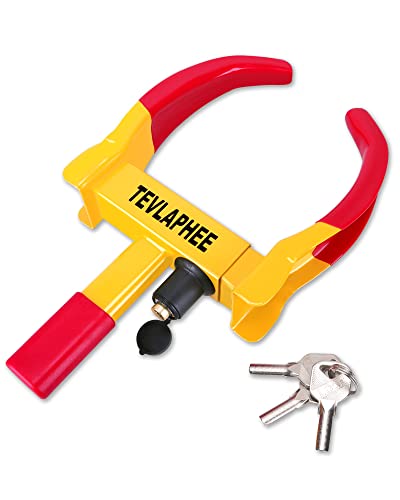 Tevlaphee TSYRHH01Best overall
 VEVOR QS-001-BWidest fit
 CARTMAN CM-CQ-RedBest value 2-pack
Which kind of steering lock do you mean?
People use "steering wheel lock" for two different things, and the steps are not the same.
The first is the lock built into your car. It is part of the steering column and engages when you turn the car off and take out the key or fob. The second is an aftermarket device, usually a metal bar or a bar with hooks, that you fit over the steering wheel by hand. It is visible from outside the car, which is part of its job as a deterrent.
A third option often gets grouped in with these: a wheel lock, also called a tire clamp or boot, which locks onto one wheel so the car cannot be driven or towed away. We cover it later in this guide because many drivers choose it for long-term parking.
How to use the built-in steering lock
Most cars with a conventional key or push-button start have this lock. It is meant to stop the wheel from turning once the car is off, so it is a basic safeguard rather than a strong anti-theft device.
Here is the usual sequence. Check your owner's manual, because the details vary by model:
- Park the car, set the parking brake, and shift to Park (or first gear or Reverse in a manual).
- Turn the engine off.
- Remove the key, or on a push-button car, leave the car in its off state and open the door.
- Turn the steering wheel slightly in either direction until you hear or feel a click. The wheel then stays put.
- To unlock, put the key in the ignition or bring the fob inside, then wiggle the wheel gently while you turn the key or press the start button.
How to fit an aftermarket steering wheel lock
Bar-style and hook-style locks differ in design, but the fitting steps are close to the same. Read the instructions that come with yours first, since extension lengths and key mechanisms differ.
Start by making sure the car is parked and off, with the airbag area clear. Straighten the front wheels if you can, so the car is easier to move if you ever need to.
- Unlock the device and extend or open it to its full length.
- Hook one end over the rim of the steering wheel and the other end over the opposite side, or place the bar across the wheel as the design requires.
- Slide or close the device until it sits snug against the wheel rim, with no slack.
- Turn the key until the lock clicks. Pull on the device to check that it does not slip off.
- Position the lock so it blocks a full turn of the wheel, and keep the keyhole facing up or away from the windshield, if the design allows, so it is harder to attack.
Removing the lock and fixing common problems
To remove an aftermarket lock, insert the key, turn it to release the latch, and slide the device off the wheel. Store it somewhere easy to reach, such as the glove box or the seat pocket, so you actually put it back on each time.
If the built-in lock will not release, the wheel is probably under tension from the lock pin. Turn the wheel gently in the direction that feels looser while turning the key. Forcing it can damage the ignition cylinder.
If an aftermarket lock sticks, check for dirt in the keyhole and try the spare key. Keep spare keys away from the vehicle. Do not leave any key in the car while you are away from it.
When a wheel clamp is the better choice
A steering wheel lock stops a thief driving the car from the driver's seat. It does not stop the car being towed, and it is not designed to protect a trailer, camper or boat trailer that has no steering wheel to lock. For those, and for cars parked for long stretches, a wheel clamp fits better.
A wheel clamp locks one wheel in place so the vehicle cannot be driven or towed away. Check that the clamp's adjustable range matches your tire width, that the lock cylinder resists picking, and that it is easy enough to fit that you will use it every time. Our best wheel lock for car page lists several options side by side.
Here is how the options differ, using figures from the products on that page:
| Option | What it locks | Good for | Notes |
|---|---|---|---|
| Built-in column lock | Steering column | Everyday parking | Engages automatically when you remove the key and turn the wheel |
| Bar or hook lock | Steering wheel | Cars with a standard wheel | Visible deterrent, quick to fit |
| Tevlaphee TSYRHH01 boot clamp | One wheel | Tires 7 to 11 in wide | 4.4 lb, 16.5 in long, 3 keys, crescent-shaped lock cylinder |
| VEVOR QS-001-B 2-pack | One wheel each | Tires 6.3 to 15 in wide | Includes 4 keys and a large cover for the lug nuts |
Safety notes and good habits
Never rely on a steering lock to hold a car on a slope. Use the parking brake and the transmission's park position for that. Never lock the wheel while the engine is running or while the car is moving.
Do not use force on a stuck lock. Heavy pulling on the wheel can damage the steering column. If the built-in lock will not release after a few gentle tries, stop and call roadside help or a locksmith.
If you fit a wheel clamp, make sure the car is parked on level ground with the brake set before you bend down to the wheel. Mind your fingers on the clamp's arms and edges. Keep keys with you, not in the vehicle, and note how many keys came in the box.
A lock only deters theft if you use it. Choose a device you can fit in a few seconds, park in a well-lit spot, and take valuables out of sight. Layering a steering lock with a clamp, an alarm, or a tracker makes a theft harder than any one device alone.
Frequently asked questions
Does a steering wheel lock stop a car from being towed?
No. A steering wheel lock only stops the wheel turning. A tow truck can still lift the car. A wheel clamp, which locks one wheel, is the type designed to stop towing.
Why will my steering wheel not turn when the car is off?
That is the built-in lock doing its job. Insert the key or bring the fob inside, then turn the wheel gently both ways while you turn the key or press the start button.
Will a bar lock damage my steering wheel?
A well-fitted lock should not. Look for padded or coated contact points, and fit the lock snug rather than forcing it onto the rim.
What should I do if I lose the key to my lock?
Use a spare key if you have one. Look for a locksmith or the maker's support if you do not. Keep spare keys somewhere safe at home, away from the vehicle.