How to Use a Power Tool Combo Kit Safely at Home
Use a combo kit safely by reading each tool's manual, wearing eye and hearing protection, clamping your work and removing the battery before any bit or blade change. Charge and store batteries in a cool, dry spot and keep both hands and your body out of the cutting path. Most home accidents come from rushing, loose workpieces and skipped protective gear, not from the tools themselves.
 DEWALT DCK360D3
 DEWALT DCK2100P2Best overall value
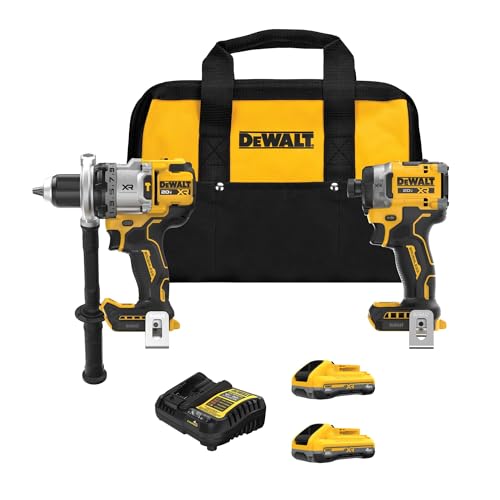 DEWALT DCK2112QQ2
Start with the manual and a quick inspection
Every kit holds several tools that behave differently. A drill twists, an impact driver hammers, and a saw cuts. Each maker publishes its own safety instructions, so read the manual for every tool before the first use. The manual covers details no general guide can, such as maximum bit sizes, blade types and charger limits.
Before each session, take two minutes to look things over. Check that the chuck or blade clamp is tight, the guards move freely and the cords or battery contacts are clean. If a tool is cracked, sparking or missing a guard, set it aside until it is repaired or replaced.
Wear the right protective gear
Cordless does not mean low risk. A spinning bit or blade can throw chips, dust and splinters, and saws and impact drivers are loud. Put your gear on before you pick up the tool, not after something goes wrong.
- Safety glasses or goggles for every task, including drilling and driving screws.
- Hearing protection for saws, impact drivers and any long session.
- A dust mask or respirator when cutting, sanding or drilling wood, drywall or masonry.
- Work gloves for handling rough lumber, but not while running a drill or saw, because loose gloves can catch.
- Close-fitting clothes, tied-back hair and no dangling jewelry or drawstrings.
- Closed-toe shoes with good grip.
Battery and charger basics
Lithium-ion batteries are safe when treated well. Use only the charger that fits your platform, whether that is DEWALT 20V MAX, CRAFTSMAN V20 or Greenworks 24V. Mixing brands or using a damaged charger can overheat a pack.
Charge on a hard, non-flammable surface away from curtains, paper and sawdust. Do not charge a pack that is swollen, cracked or leaking. Keep loose batteries away from coins, screws and keys, which can short the terminals.
Having two batteries helps with safety as well as convenience. When one is charging, you can swap packs and take a real break instead of pushing a tired tool. Several kits on our spec sheets, such as the DEWALT DCK2100P2 and the Greenworks CK322, include two batteries and a charger.
Using each tool safely
The table below sums up the main hazard and the key habit for the tools found in most kits. Always remove the battery before changing a bit, blade or accessory, or before clearing a jam.
Drills and impact drivers cause the most injuries in new users through kickback and slipping bits. Start at a low speed, use the side handle if your tool has one, and brace yourself so a sudden twist does not pull your wrist. Clamp small pieces instead of holding them in your hand.
For saws, let the blade reach full speed before it touches the wood, and keep the cord of your attention on where the blade exits. Keep your free hand behind or beside the cut line, never in front of it. Set a circular saw's depth so the blade extends only a little past the material. For reference, the Greenworks CK322 lists a circular saw with a 2-1/4 inch maximum cutting depth, while the DEWALT 5-tool and 7-tool kits list a 6-1/2 inch circular saw blade.
| Tool | Main hazard | Key habit |
|---|---|---|
| Drill/driver | Twisting kickback, slipping bits | Clamp the work, start slowly, use the clutch setting |
| Impact driver | Sudden torque, noise | Wear hearing protection, hold the tool square to the screw |
| Circular saw | Kickback, exposed blade | Support both sides of the cut, keep the guard working |
| Reciprocating saw | Vibration, blade binding | Keep the shoe pressed to the material, watch what is behind the cut |
| Oscillating tool | Dust, sharp blades | Wear a dust mask, disconnect the battery to swap blades |
| Sander | Fine dust | Use a mask and eye protection, keep dust from the vents |
Set up your workspace
A tidy space prevents most mishaps. Work on a stable bench, sawhorses or the floor with the material fully supported. Keep the area well lit, dry and free of clutter, children and pets.
Before cutting or drilling into walls, floors or ceilings, check for hidden hazards. Wiring, plumbing and gas lines can sit behind drywall. If you are not sure what is inside a wall, use a stud and cable detector, or ask a licensed professional before drilling or cutting.
When you work off a ladder, keep both feet on the rungs, keep your hips between the rails and do not overreach. A cordless saw or drill is easy to carry but still hard to control if you lose your balance. For roof or high work, ask for help or hire a pro.
Heat, humidity and storage
If you live somewhere hot and humid, such as Florida, a few extra habits help. Do not leave batteries or tools in a hot car, a closed garage or direct sun, because heat shortens battery life and raises the risk of problems. Let a warm pack cool before you charge it, and wipe away sweat and moisture from tools before use.
Cordless tools are not meant for rain or standing water. If a tool gets wet, dry it and let it sit before you use or charge it. Work on a dry surface so you are not standing in damp conditions.
For storage, remove the battery from each tool, clean off dust and put everything back in the bag or case. Store the kit in a cool, dry place out of reach of children. Many kits include a tool bag, which makes this easier. For example, the DEWALT DCK2100P2, the CRAFTSMAN CMCK401D2 and the DEWALT 10-tool kit all list one.
Pick a kit that fits your skill level
Safe use starts with owning only the tools you will actually learn. A drill and impact driver cover most home jobs, and adding a saw comes later once you are comfortable. Our guide to the best power tool combo kit for the money explains how tool count, batteries and warranty change the value.
If you want to see more options side by side, browse our list of the best power tool combo kits. If you are still building your basic setup, our best home tool kit page covers hand tools that pair well with cordless gear.
Frequently asked questions
Can I use a combo kit indoors at home?
Yes, as long as you have good lighting, ventilation and a stable work surface. Wear a dust mask when cutting or sanding, and check walls for wiring or pipes before drilling.
Should I leave the battery in the tool when I am not using it?
No. Remove it whenever you change a bit or blade, walk away or store the tool. This prevents the tool from starting by accident.
Is it safe to use a power tool on wet material?
Wet or damp wood can bind blades and make footing slippery. Let material dry when you can, and never use cordless tools in standing water or rain.
How do I know when to stop and rest?
Stop when your hands shake, your arms tire or you feel rushed. Fatigue leads to slips and poor control, so swap batteries and take a short break.
Do I need different safety gear for sanding?
Yes. Fine dust is easy to breathe in, so use a respirator rated for dust, along with eye protection. Hearing protection helps during longer sessions.