How to Use a Post Hole Digger Correctly
For a manual digger, raise it, drive the blades straight down, spread the handles to pinch the soil, then lift the soil out and repeat. For a gas or electric auger, set the point where you want the hole, start the engine with the unit flat on the ground, and let the bit do the cutting while you hold the handles firmly. In both cases, call 811 before you dig, match the hole width to your post, and wear eye, ear and hand protection.
 NEO-TEC NEO-TECLightest gas digger
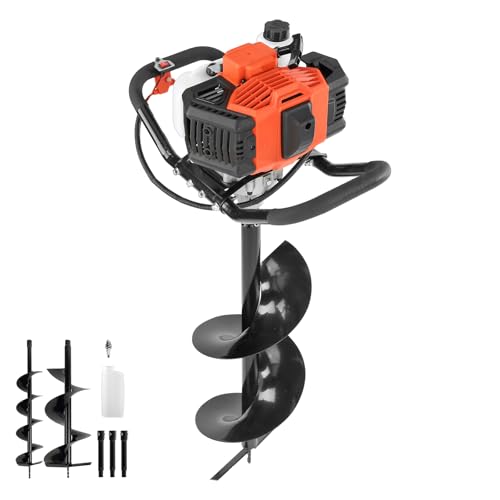 VEVOR D52-FMost extension rods
 WORKIT OO-EA62BWidest bit included
Get ready before you dig
Most digging problems start before the first scoop. In the US, call 811 a few days ahead so utility lines are marked. Digging into a buried line is dangerous, and it is easy to avoid.
Next, mark each hole with spray paint or a stake. Then decide how wide and deep the hole needs to be. A common rule of thumb for fence posts is to bury about one third of the post length, and the hole should be a few inches wider than the post so you can pack in gravel or concrete. Check your local frost depth and any building code for decks, because footings often need to go deeper.
Clear the surface of grass, rocks and debris. If the ground is rock hard, soak the spot with water the day before. Damp soil cuts more easily than dry soil in most cases, but avoid soupy mud, which clogs blades and bits.
How to use a manual post hole digger
A manual digger has two long handles and two scoop-shaped blades that work like tongs. It is quiet and simple, and it suits a few holes in loose soil. Roots and rocks make it slow going.
- Stand with your feet apart and hold the handles close together, one hand on each.
- Raise the digger to about chest height, then drive the blades straight down into the marked spot.
- Spread the handles apart to close the blades around the soil.
- Lift the digger out and drop the soil in a pile beside the hole, not back into it.
- Repeat, keeping the hole straight and rotating the digger a quarter turn now and then so the walls stay round.
- For stubborn spots, loosen the soil first with a digging bar, then scoop it out.
How to start a gas post hole digger
Gas augers are two-stroke engines, so they run on a fuel and oil mix. The ratio depends on the model, so always follow your manual. In the product data we compare, the NEO-TEC calls for a 25:1 gas and oil mix, the WORKIT lists 50:1, and both VEVOR models list a 40:1 ratio or the equivalent. Using the wrong ratio can damage the engine.
Here is the general starting routine. Check your owner's manual for details, since choke and primer steps differ by brand.
- Mix fuel in a clean can, fill the tank outdoors, and wipe up any spill.
- Set the unit on flat ground with the bit resting on the soil and clear of your body.
- Set the stop switch to the run position and use the primer bulb or choke as your manual directs.
- Hold the handle firmly, brace with a foot or hand as the manual allows, and pull the recoil cord with a smooth, steady stroke.
- Once it fires, ease the choke off and let the engine warm up for a moment before you squeeze the throttle.
Dig the hole with a powered auger
Position the bit point on your mark, keep the shaft vertical, and squeeze the throttle gradually. Let the bit pull itself down. Pushing hard does not speed things up and can stall the engine or twist the handles out of your grip.
Lift the bit out every so often to clear loose soil. This keeps the hole clean and stops the auger from binding. If the bit catches on a root or rock, release the throttle right away. Do not try to power through it.
Most powered augers can kick sideways if the bit snags, so a two-handed grip and a wide stance matter. If your model has an extension rod, add it once the bit is mostly buried instead of bending over. The NEO-TEC comes with one 8 in extension rod, the WORKIT lists two rods, and the VEVOR 52cc includes three. The XtremepowerUS electric unit lists a digging depth of about 28 inches with its 6 in bit.
Weight and length change how the tool feels in your hands. The NEO-TEC weighs 17.6 lb, the VEVOR 43cc weighs 26.24 lb, the XtremepowerUS weighs 28.3 lb and the VEVOR 52cc weighs 34.5 lb. A lighter unit is easier to control for a long session, though a heavier one may be steadier in some soils. Our best post hole digger page lines these numbers up side by side.
Match the bit and tool to the job
The bit sets the hole width, so choose it before you start. A 6 in bit suits small posts, stakes and tree planting. A 10 in bit is a common size for fence posts, signs and deck footings. Bigger posts and footings need wider bits.
Here is how the products in our data compare on the points that matter for technique.
| Product | Power | Included bits | Extension rods | Weight |
|---|---|---|---|---|
| NEO-TEC 72CC Gas | 72cc gas | 6 in and 10 in | 1 | 17.6 lb |
| VEVOR 52cc Gas | 52cc gas | 6 in and 10 in | 3 | 34.5 lb |
| WORKIT 72CC Gas | 72cc gas | 4 in, 6 in, 12 in | 2 | Not listed |
| XtremepowerUS Electric | 1500 W corded | 6 in | None listed | 28.3 lb |
| VEVOR 43CC Gas | 43cc gas | 8 in | None listed | 26.24 lb |
Safety notes you should not skip
Post hole augers are powerful tools, and a snagged bit can twist the unit fast. Take a minute to set up safely.
- Wear safety glasses, hearing protection, sturdy boots and gloves. Avoid loose clothing and dangling cords or straps.
- Know where the stop switch is before you start. The units in our data list a safety stop or quick-shutoff switch.
- Keep bystanders, kids and pets well clear of the work area.
- Refuel only when the engine is off and cool, outdoors and away from sparks or flames.
- Run a gas engine only in open air, never in a garage or shed, because exhaust contains carbon monoxide.
- With a corded electric unit, use a suitable outdoor extension cord, keep the cord away from the bit, and never dig in wet conditions.
- Take breaks. Vibration and weight tire your arms, and tired hands lose control.
Finish the hole and fix common problems
Check the hole with a level or plumb line. If the sides are rough, scoop out loose soil with a manual digger so the post sits on firm ground. Add a few inches of gravel at the bottom for drainage if your project calls for it.
If a gas engine will not start, check the stop switch, fuel and spark plug before pulling the cord many more times. Overpulling can flood the engine. The WORKIT listing notes that its stop switch resets each time the engine is turned off, which is meant to help prevent flooding, so confirm your own model's behavior in its manual.
If the bit will not bite, the ground may be too hard or dry. Wet the spot, loosen it with a digging bar, or switch to a smaller bit first and widen the hole afterward. If you are still choosing a tool for your soil and post size, see our post hole digger comparison for bit sizes, power and included rods.
Frequently asked questions
How deep should a fence post hole be?
A common rule of thumb is to bury about one third of the post length. Local frost depth and building codes can require more, especially for decks and gates.
Can one person run a powered post hole digger?
Some models are sold as one-person tools, but a bit that snags can twist hard. Use a firm two-handed grip and consider a helper for large bits or rocky ground.
Should I dig when the ground is wet or dry?
Slightly damp soil is usually easiest. Very dry, hard ground slows you down, and soaking mud sticks to blades and bits.
What do I do with the soil I remove?
Pile it beside the hole on a tarp or board so you can reuse it for backfilling. Keep it clear of the edge so it does not fall back in.