How to Use a Multitool or Oscillating Tool on Metal
Yes, an oscillating multitool can cut metal, as long as the metal is thin and you fit a bi-metal or carbide-grit blade made for it. It works best for nails, screws, bolts, sheet metal, and thin-wall pipe in tight spots. For thick stock or long straight cuts, a dedicated metal saw is faster and cleaner.
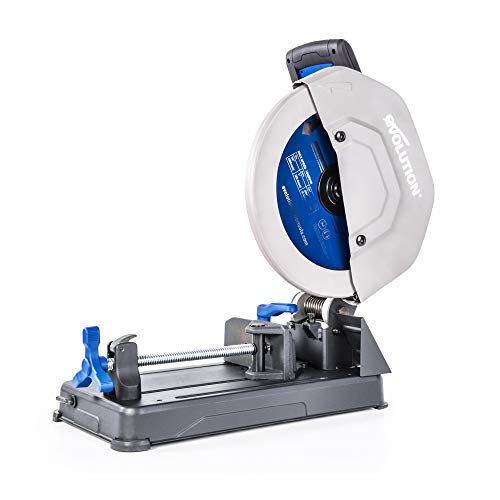 EVOLUTION S355CPSLBest overall
 EVOLUTION S14CPS
 EVOLUTION S14MCSBest for fabrication shops
What an oscillating tool can and can't cut
An oscillating tool shakes its blade back and forth through a very small arc. That motion is great for plunging into a spot and cutting flush to a surface. It is not built for removing a lot of material quickly, so metal cutting is slow compared with a saw that spins a blade.
Think of it as a problem solver. It trims off a rusted bolt that sticks out, slices through a nail hidden in a stud, or opens a small hole in thin sheet. If you need dozens of cuts through steel tube or bar, the tool will feel slow and the blades will wear out fast.
Choose the right blade first
Blade choice matters more than anything else. A wood blade will dull in seconds on metal, so look for one clearly marked for metal. Our roundup of the best oscillating tool blades for metal compares the options side by side.
In general, there are two blade families. Bi-metal blades have fine teeth and suit mild steel, aluminum, copper, and soft fasteners. Carbide blades, or blades with carbide grit, last longer and handle harder metals, but they cost more wear if you push them too hard.
| Job | Good blade type | Notes |
|---|---|---|
| Nails and screws in wood | Bi-metal | Plunge cut and let the teeth do the work |
| Thin sheet metal | Bi-metal, fine teeth | Clamp the sheet so it can't buzz |
| Copper or thin steel pipe | Bi-metal or carbide | Support the pipe on both sides |
| Hardened bolts, stainless | Carbide or carbide grit | Expect slow progress and heat |
| Thick bar or angle iron | Use a saw instead | Oscillating blades struggle here |
Step-by-step: cutting metal with a multitool
Follow these steps for a clean cut and a longer blade life.
- Unplug the tool or remove the battery, then fit the metal-rated blade and tighten it fully.
- Mark the cut line with a marker or a scribe so you can follow it.
- Clamp the workpiece firmly. A loose piece vibrates, and that ruins the cut and the blade.
- Set the speed to a medium or high setting, and start the tool before the blade touches the metal.
- Let the blade rest lightly on the line and move it forward with light, steady pressure. Do not lean on the tool.
- Pause now and then to let the blade and metal cool, and add a drop of cutting oil on steel if the cut is long.
- Once through, switch off and wait for the blade to stop before you set the tool down.
Tips for better results
Patience pays off. The tool removes only a thin sliver with each pass, so a steady rhythm beats force. Pressing hard adds heat, and heat dulls teeth quickly.
Start a cut with a shallow groove, especially on sheet metal, so the blade doesn't skip. Keep the blade flat to the surface and avoid twisting it sideways, since that can snap teeth or bend the blade.
Replace the blade when it slows down or smells hot. A worn blade burns more than it cuts. If you reach for the tool often on metal, buying a few spare blades saves frustration. When you are choosing the tool itself, see our best oscillating tool for metal page for a side-by-side look.
Safety before you start
Metal cutting throws off sparks, hot chips, and sharp burrs, so take a few precautions every time.
- Wear safety glasses or goggles, since metal chips can fly at your face.
- Wear hearing protection. Cutting metal is louder than cutting wood.
- Wear gloves when you handle the cut piece, because the edges are sharp and hot.
- Keep flammable items such as rags, sawdust, and solvents well away from sparks.
- Check for hidden wires, gas lines, or water pipes before cutting into a wall. Cutting a live wire can cause a shock.
- Unplug the tool or remove the battery before changing blades.
When to use a different tool
If your project involves long runs of tube, bar, or angle iron, an oscillating tool is the wrong fit. A dedicated chop saw makes square, repeatable cuts in a fraction of the effort. Our best metal cutting tool page lines up chop saws by blade size, speed, cut capacity, and weight.
For a sense of scale, the Evolution S355CPSL has a 14 in blade and a round cut capacity of 130.2 mm, which is the largest on that page. The VEVOR 7-1/4 in saw weighs 14.44 lb, the lightest there, and suits small stock and site work. Those are very different jobs from what a multitool does.
A simple rule: use the oscillating tool for small, awkward, or flush cuts, and use a metal saw when the cut is thick, long, or needs to be square. Chop saws also have their own hazards, so follow the maker's guard and clamping instructions.
Frequently asked questions
Can a multitool cut stainless steel?
It can cut thin stainless with a carbide or carbide-grit blade, but progress is slow and the blade wears fast. Go gently and keep the cut short.
Why is my blade getting hot and dull?
Too much pressure, a loose workpiece, or the wrong blade are the usual causes. Ease off, clamp the metal, and switch to a metal-rated blade.
Can I cut a bolt flush with a multitool?
Yes. A flush-cut or bi-metal blade lets you slice a bolt or nail close to the surface. For hardened bolts, choose carbide.
Should I use cutting oil?
On steel, a drop of cutting oil reduces heat and friction. Skip it on live electrical work, and wipe up any excess before you resume.