How to Use a Cement Mixer for Mortar and Concrete
Add most of the water to the drum first, start it turning, then add the dry mix a little at a time and finish with small splashes of water until the batch looks even and workable. Use the same drum mixer for both concrete and mortar, but keep mortar batches smaller because the mix is heavy and sticky. Wear eye protection, gloves and a dust mask, and clean the drum before the leftover mix hardens.
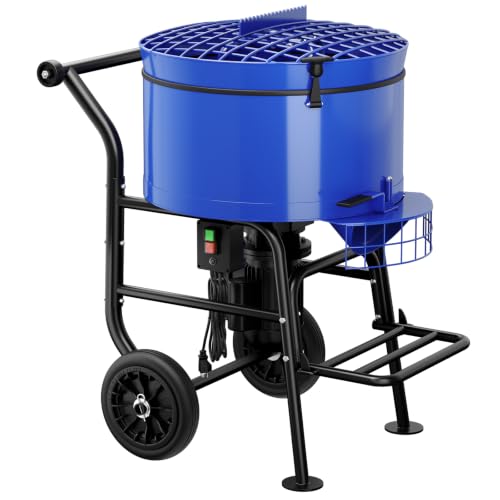 Dkenicor KF100368US-01LHC-001-YIH
 Dkenicor KF100248-02-YH-OBest compact steel drum
 Dkenicor KF100322US-02MLHC-001Best overall
Cement mixer, concrete mixer and mortar mixer: what is the difference?
For home projects, "cement mixer" and "concrete mixer" usually mean the same thing: a tilting drum on a frame, turned by an electric motor. Technically cement is only the binder in the bag. Concrete is cement plus sand and gravel, and mortar is cement plus sand. The drum handles all of them.
A dedicated mortar mixer is a different machine. It usually has a trough with paddles, which works well for sticky, sand-based mix but struggles with the gravel in concrete. If you mostly lay brick or block, a paddle mixer makes sense. If you pour fence post footings, steps or small slabs and also lay the odd brick, a drum mixer covers both jobs.
Many drum mixer listings name concrete, mortar and grout as intended uses, including the Dkenicor models in our best concrete mixer for home use comparison. Check your own mixer's manual for the materials and load limits it allows.
Set up and stay safe before you start
Cement is caustic, and the dust is bad for your lungs and eyes. Set up before you open a bag so you are not hunting for gear with wet hands.
Place the mixer on firm, level ground close to where you will pour. A mixer on a slope can tip when the drum is full, and a full drum is heavy. Mixers in our comparison weigh roughly 90 to 125 lb empty, so use the handles and ask for help if you need to move one.
- Wear safety glasses or goggles, waterproof gloves, long sleeves and a dust mask or respirator rated for fine dust.
- Wear hearing protection if your mixer is loud, and closed shoes in case of splashes.
- Plug into a GFCI-protected outlet, and keep cords and connections off wet ground.
- Use a heavy-duty outdoor extension cord rated for the motor if you need one.
- Keep hands, shovels and trowels out of a turning drum. Switch it off first.
- Wash splashes off skin promptly with clean water, because wet cement can burn.
How to mix concrete in a drum mixer
Bagged concrete mix is the easiest place to start because the sand, gravel and cement are already blended. Read the bag first, since it lists the water amount for each bag.
Work in this order:
- Measure your water in a bucket before you begin. Pour in roughly three quarters of the amount listed on the bag.
- Switch the mixer on so the drum is turning. Most home mixers turn the drum at about 24 to 30 RPM.
- Cut open a bag and add the mix a scoop or two at a time. Resting the bag on the rim of the drum and pouring slowly keeps dust down.
- Add the remaining water in small splashes until the mix looks uniform, with no dry pockets at the bottom.
- Let it turn for a few minutes, or follow the bag, then tilt the drum and empty it into a wheelbarrow or directly into the form.
- Use the batch promptly, since concrete starts to set while you wait.
How to mix mortar
Mortar follows the same routine with a few changes. Use a bagged mortar mix or a measured sand and cement blend, add water first, and expect a thicker, creamier result than concrete. It should hold its shape on a trowel without slumping or crumbling.
Mortar is heavy and clings to the drum, so do not fill the drum to the rim. Smaller batches also matter because mortar stiffens on the wall or in the wheelbarrow. Mix only what you can lay within the working time on the bag.
If the mix is too dry, add water a splash at a time. If it is too wet, add a little more dry mix and let it turn again.
How much can your mixer hold?
Drum size is not the same as the amount you can mix. Fill the drum only to the level the manufacturer allows, because the mix needs room to tumble. The published load figures below come from the product data on our comparison page.
The BILT HARD 4 cu ft poly drum lists a 235 lb capacity, which its listing describes as up to two 80 lb bags plus up to 2 gallons of water. The BILT HARD 6 cu ft model lists 375 lb, or three 80 lb bags plus water. The YARDMAX 4 cu ft steel drum lists a 275 lb maximum load.
| Mixer | Drum size | Listed max load | Bags per batch (listing) |
|---|---|---|---|
| BILT HARD poly drum | 4 cu ft | 235 lb | Up to two 80 lb bags |
| YARDMAX YM0115 steel drum | 4 cu ft | 275 lb | Not stated |
| BILT HARD poly drum | 6 cu ft | 375 lb | Three 80 lb bags |
Common problems and how to avoid them
Most trouble comes from overloading or from adding water too fast. If the motor stalls or slows, stop and unplug the mixer, then remove some material. Some mixers include overload protection. On the BILT HARD 4 cu ft model, the listing says to let the motor cool before restarting if the protection trips.
If the mix balls up on the drum walls, you probably added the dry mix too quickly or started with too little water. Tip it out, scrape the drum and start a smaller batch. If you see dry streaks at the bottom, tilt the drum a little while it turns so the mix folds over.
Shopping for a mixer? Our best concrete mixer page compares more models, and the home-use page narrows it to drums sized for one or two bags.
Clean up before it sets
Cleaning is the part people skip, and hardened concrete is very hard to remove. Right after you empty the last batch, add a bucket of water and a handful of gravel to the drum and let it turn for a minute or two. The gravel scrubs the walls.
Pour the rinse water where it will not run into drains or onto plants, since it is alkaline. Then wipe the drum, frame and tilt mechanism. Never spray water directly into the motor or switch unless the manufacturer says it is wash-down rated. The YARDMAX listing, for example, describes an IP45 wash-down certified motor and gearbox.
Poly drums resist rust and are easier to clean, while steel drums need to be kept dry and free of old mix to avoid corrosion. Store the mixer upright with the drum tilted down so any water drains out.
Frequently asked questions
How long should I run the mixer?
Follow the bag, which usually gives a time. As a guide, run it until the color is even and there are no dry pockets, which often takes a few minutes.
Can I leave the mixer running while I wait?
Do not leave it unattended for long. A drum left turning can overheat the motor, and the mix can start to stiffen. Switch it off between batches.
Can I add more water to loosen a batch that is starting to set?
No. Extra water weakens concrete and mortar. Mix smaller batches so you can place each one before it stiffens.
Can I mix other things in a cement mixer?
Some listings mention uses like animal feed or fertilizer, but check your manual. Do not switch between food-related and cement mixing in the same drum.