How to Unlock a Door Knob Without a Key
Most interior door knobs have a small hole or a slot on the outside that lets you release the lock with a straightened paper clip or a small flat screwdriver. Push the tool straight in until you feel the lock click, then turn the knob. Keyed entry knobs and deadbolts are harder, and the safest route there is a spare key, the property manager or a licensed locksmith.
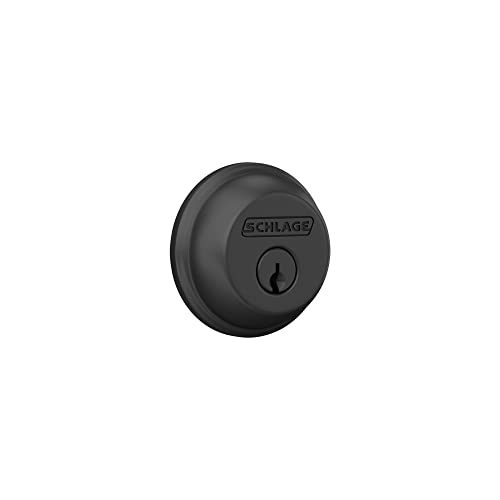 SCHLAGE B60N622Best overall
 BESTTEN DK1-ET-SNTop cycle rating, keyed knob
 BESTTEN DE1-ET-BKKeyed alike knob and deadbolt
First, work out which kind of knob you have
The right method depends on the lock. Look at the outside face of the knob and the edge of the door. You will usually see one of three things: a tiny hole in the center of the knob, a slot or a small notch, or a full keyhole.
The tiny hole is the most common reason people search for this. It is called an emergency release or privacy hole. It is found on bedroom and bathroom knobs, which lock from the inside with a push button or a turn button. The hole is there so you can open the door if a child locks themselves in or someone needs help.
A full keyhole means a keyed lock. These are common on exterior doors and some home offices. They take more care, and they are covered later in this guide.
How to unlock a door knob with a hole
This works on most push-button privacy knobs. You need a tool thin enough to fit the hole, such as a straightened paper clip, a small hex key or a thin nail. Use something sturdy that will not snap off inside the knob.
If the tool breaks off or jams, stop. Pushing harder can damage the mechanism and make the problem bigger.
- Look closely at the hole. Make sure it is a release hole and not a keyway.
- Straighten a paper clip and leave a small bend at the end so it is easy to hold.
- Slide the wire straight into the hole, in line with the knob, until you feel it stop.
- Press gently. You should feel or hear a small click as the inner button pops out.
- Turn the knob and open the door. If it did not click, pull the wire out, change the angle slightly and try again.
If the knob has a slot or a turn button instead
Some privacy knobs have a narrow slot across the center rather than a round hole. The slot lines up with a small flat release. Slide a flat-head screwdriver, a butter knife tip or a coin into the slot and turn it a quarter turn. The lock should release.
Other designs have a small notch on the outside rim of the knob. Press a thin flat tool into the notch to free the inner mechanism. If neither works, check whether the knob has a visible mounting plate. Some have screws that can be removed with a screwdriver, which lets you take off the knob and work the latch directly.
Once the door is open, check that the lock still works normally. A release that sticks or needs force may mean the knob is worn and due for replacement.
Keyed knobs and deadbolts
A knob with a keyhole is meant to resist this kind of entry, so there is no quick household trick that is reliable. Start with the simple options. Look for a spare key, ask whoever else lives there, or contact your landlord or property manager.
If the door is only latched and not deadbolted, a flexible plastic card slid between the door and frame can sometimes push back an angled spring latch. This only works on a basic latch. It will not work on a deadbolt, and it can damage the card, the weatherstripping and the door edge.
For a deadbolt or a knob that is truly locked, call a licensed locksmith. They can open it with less damage than forcing it, and they can check your ID and proof that you live there. Forcing a lock on an exterior door often costs more in repairs than a service call.
Which method fits which lock
Use this quick table to match the lock to the safest next step.
| Lock type | What you see | Best way to open | What to avoid |
|---|---|---|---|
| Push-button privacy knob | Small round hole in the center | Straightened paper clip pushed in until it clicks | Thin wire that can snap off |
| Turn-button privacy knob | Slot or notch on the face | Flat screwdriver or coin turned a quarter turn | Prying the knob off its base |
| Keyed knob, latch only | Keyhole, door not deadbolted | Spare key, or a locksmith | Forcing the door or frame |
| Deadbolt | Keyhole plus a separate bolt | Spare key, or a licensed locksmith | Card tricks and drilling |
Safety and common sense
Only open a lock on a door you own or have permission to open. If you rent, tell your landlord before you take apart any hardware.
Take a few precautions while you work. Wear safety glasses if you are using a screwdriver or pushing on a stuck part, since small pieces can spring out. If a child or pet is locked in a room, act quickly but calmly, and call emergency services if there is any sign of danger. Never use force on a door someone is leaning against from the other side.
Do not try to drill a lock yourself. Drilling is loud, it throws metal shavings, and it ruins the lock. If it comes to that, a locksmith should handle it.
Avoid the next lockout
Lockouts often come back to key management. Keep a spare key with someone you trust, and keep a small release tool near bedroom and bathroom doors so you are not hunting for one in a hurry.
When you replace a knob, think about how you will use it. Our best door knob page compares fit, security grade and key counts on one spec sheet. Interior privacy levers do not use keys at all, which removes the problem for rooms where you only need a simple latch.
For exterior doors, extra keys matter. The BESTTEN keyed knob includes 3 keys, but it is keyed different and not rekeyable, so a second lock means a second set of keys. A keyed alike set solves that. The BESTTEN knob and deadbolt set lists 3 keyed alike keys, so one key opens both. The Schlage B60N622 deadbolt lists 2 keys and a Grade 1 security rating.
Before you buy anything, measure your door thickness and backset. Most knobs on our door knob comparison fit doors from 1.375 to 1.75 in thick, with backsets of 2.375 in or 2.75 in. A lock that does not fit will not install.
Frequently asked questions
Can I open a locked door knob with a bobby pin?
On a knob with a small release hole, a straightened bobby pin can work as the tool, but a paper clip or small hex key is usually sturdier. It will not open a real keyed lock reliably.
Why do bedroom and bathroom knobs have a hole in them?
The hole is an emergency release. It lets someone outside unlock the door if a person inside cannot open it, such as a young child who locked themselves in.
Will unlocking a knob this way damage it?
Not if you use gentle pressure and the right tool. Forcing a bent or weak tool can bend internal parts, so stop and reposition if it does not click.
What if the knob turns but the door will not open?
The latch may be stuck, or the door may be binding in the frame. Try lifting or pushing the door while you turn the knob. If that fails, the latch or knob may need replacing.