How to Snap a Chalk Line on Wood, Concrete, and Floors
To snap a chalk line, hook one end at your first mark, pull the line tight to the second mark, lift it straight up a few inches and let it go. The same steps work on wood, concrete, floors and walls. What changes is how you prep the surface, how much chalk you use and how bold the line should be.
 Tajima CR301JFBest overall
 IRWIN IWHT48441BCTough aluminum case
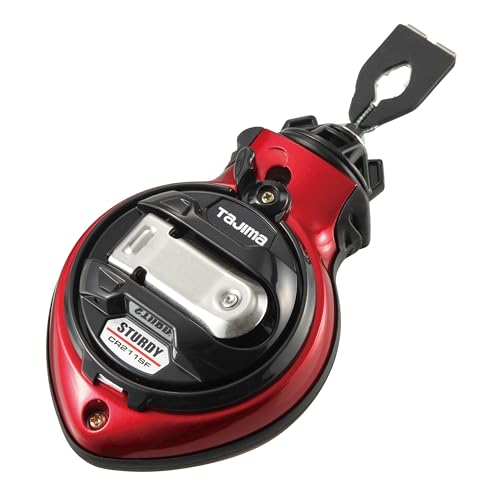 Tajima 1Metal body with belt clip
The basic snap, step by step
A chalk line is a string coated in powdered chalk. When you pull it tight and let it snap back, it leaves a thin, straight line of dust on the surface. The method is simple, but small habits decide whether the line looks crisp or smeared.
Follow these steps on any surface:
- Mark your two end points with a pencil so you know exactly where the line should land.
- Pull out enough line to cover the run, plus a little extra. Let the string run through the chalk in the case.
- Hook the end on a nail, a screw or the edge of the workpiece. A helper can hold it, but a fixed hook is steadier.
- Pull the line tight so it sits right on both marks. If your tool has a line lock, engage it so the string stays tense.
- Lift the center of the line straight up, a few inches off the surface. Pull straight away from the surface, not sideways.
- Release it so the line strikes flat. Check the mark, then wind the line back in.
Snapping a line on wood
Wood is forgiving for chalk lines. Framing lumber, plywood and subfloor all hold chalk well, especially when the surface is dry and free of sawdust. Brush or blow off loose dust first, since it can soften the edges of the mark.
On rough lumber, a bolder line is easier to see. Among the models on our spec sheet, the 1 mm braided nylon lines leave a bolder mark than the 0.5 mm one. For long runs such as sheathing or a subfloor, a 100 ft line lets you cover the whole length in one snap, so you do not have to join two shorter marks.
For finish carpentry, a finer line gives you a narrower mark to cut to. The 0.5 mm line on our sheet suits that kind of precise work. If you are marking a cut line on a board, snap it, then cut on the same side of the line each time so your measurements stay consistent.
Snapping a line on concrete
Concrete is rougher and often dustier than wood, so prep matters more. Sweep or brush the slab until it is clean and dry. Damp or dusty concrete can leave a faint, blurry line because the chalk does not sit evenly.
The line also needs to be tight over longer distances. Slabs often call for long runs, and a sagging line can strike unevenly. A helper at the far end, or a hook set firmly on a nail or the slab edge, keeps the string straight. A line lock helps hold tension while you lift and release.
Choose a bold line here. A 1 mm line is easier to spot against a gray, textured surface than a fine one. If the mark still looks weak, add more chalk, pull the line tighter or snap a second time along the same path. Do not drag the line across the slab, since that smears the chalk.
Snapping a line on floors
On floors, chalk lines are used to lay out flooring, tile and underlayment. You might snap a center line in a room, then work out from it. Measure from a wall to your marks at both ends so the line is parallel to the wall, and check your measurements before you start installing.
Smaller rooms, tile layouts and cabinet work often need only a short line. Our spec sheet lists one model with 50 ft of line, which fits that kind of job. For a long hallway or an open floor plan, a 100 ft line saves you from marking in sections.
Be careful with finished floors. Chalk can leave a visible mark on some surfaces, so test a small hidden spot first. Lighter chalk colors usually wipe away more easily than dark ones. Keep your knees padded and your footing clear, since you will be working low to the ground.
Using a chalk line on drywall and walls
Yes, you can use a chalk line on a wall or drywall. It works well for marking level lines for shelves, tile courses, trim and cabinet runs. Snap lightly, because a hard strike on a vertical surface throws extra chalk dust that can drift and settle.
Chalk can stain or show through paint on porous surfaces, and some colors are harder to remove than others. If a surface will stay visible, use a light color and test a small spot first. If you only need a guide, a fine line leaves less residue to clean up.
For vertical lines, a plumb bob is useful. One model on our sheet lists plumb bob use for its center line, so the same tool can mark a line and check that it is straight up and down.
Picking a line that fits the job
The right tool makes a clean snap easier. Line length, thickness, weight and line features all matter. Our best chalk line page puts these specs side by side so you can compare them for your own jobs.
Here is how the main specs on our sheet line up with common surfaces:
| Job | Helpful spec | Why it matters |
|---|---|---|
| Framing, subfloor, slab | 100 ft line, 1 mm thickness | Covers long runs and leaves a bold mark |
| Finish carpentry, smooth floors | 0.5 mm thickness | Gives a finer, more precise mark |
| Small rooms, tile, cabinets | 50 ft line | Enough length for short runs |
| Working on ladders or all day | Lighter weight, belt clip | Easier to carry; weights run 6.38 oz to 13.6 oz |
Safety and troubleshooting
Wear safety glasses when you snap a line. Chalk dust can fly up into your eyes, especially on concrete or when working overhead. A dust mask is sensible when you refill chalk or work in a closed room.
When working on ladders, scaffolds or roofs, keep three points of contact and do not lean out to hook a line. Snap only from a stable position. Watch for tripping hazards, since the line stretches across the work area. Before you snap near electrical wiring or live work, make sure the line will not touch exposed conductors.
If your mark is faint, the usual causes are too little chalk, a slack line or a dirty surface. If it looks crooked, you probably did not lift the line straight up before release. Refill the chalk, pull the line tighter and clean the surface. A tool that lists a larger fill opening or chalk capacity can make refills less messy. Please see our chalk line comparison for models that list those details.
Frequently asked questions
What color chalk should I use?
Use a light color like blue on surfaces you want to keep clean, since it usually wipes off more easily. Darker colors give a stronger mark but can be harder to remove, so save them for surfaces that will be covered.
Do I need a helper to snap a line?
Not always. You can hook the end on a nail, screw or edge and pull the line tight yourself. A helper makes long runs easier because the line stays tauter and straighter over distance.
How do I keep the chalk line from tangling?
Wind the line in steadily and keep it taut as it returns. A faster gear system winds the line back more quickly. Store the hook in its dock so it does not catch the string.
Can I snap a line on a wet surface?
It is best to wait until the surface is dry. Moisture can make chalk clump, which leaves a blotchy mark and can clog the line. Let the surface dry, and keep your chalk dry too.