How to Set Up a Dust Collector in Your Shop
Start by choosing a spot for the collector, then plan the shortest, straightest duct run to your main machines. Use smooth-walled duct, seal the joints, add blast gates at each tool, and ground the system. Test it one machine at a time before you rely on it. Most small shops do well with a single collector and a simple trunk line.
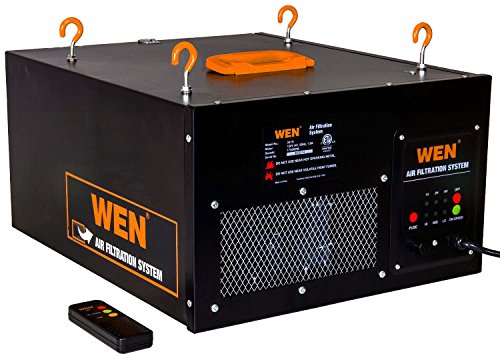 WEN 3410
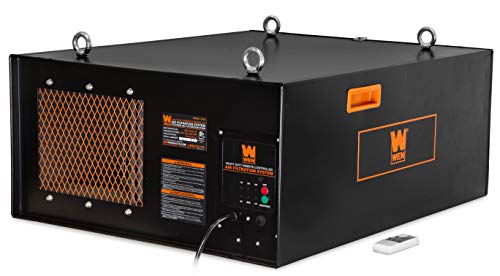 WEN 3417
 WEN DC1300Best overall
Start with a plan on paper
Before you buy duct or drill any holes, sketch your shop floor. Mark each stationary tool that makes chips or dust: table saw, planer, jointer, band saw, sander, and any router table. Note which ones you use most, since those deserve the best connection.
Then decide where the collector will live. A corner near the machines that make the most waste is usually best. Keep it close enough that duct runs stay short, but leave room to empty the bin or change the bag without moving other equipment.
If you have not chosen a collector yet, our guide to the best dust collector for small shop compares published specifications side by side. Check its airflow rating and inlet size against the tools on your sketch before you finalize the layout.
Match the collector to your tools
A collector pulls air, and every tool needs a certain amount of airflow to clear its chips. Planers and jointers throw a lot of material, so they are demanding. Sanders make fine dust that stays in the air, so they need good filtration more than raw volume.
Look in each tool's manual for the dust port size and any airflow recommendation. Then compare that to the collector's rated airflow and inlet size. Every bend, long run, and narrow hose lowers the airflow that actually reaches the tool.
If your collector is on the smaller side, plan to run one machine at a time. That is normal in a small shop and keeps the system simple.
Choose your connection style
You have two common ways to connect machines. A portable setup moves the hose from tool to tool. A fixed setup uses a trunk duct with branches and blast gates. Each has trade-offs.
| Approach | Best for | Main drawback |
|---|---|---|
| Single hose moved by hand | Very small shops, a few tools | Hose swaps are slow and easy to skip |
| Short fixed trunk with branches | Small to mid-size shops | Needs planning and some build time |
| Full whole-shop ductwork | Larger shops with many machines | More fittings, more airflow loss to manage |
Build the duct run step by step
Once you pick a style, build in this order so you can fix problems early.
- Mount the collector in its final spot and make sure it sits level and stable.
- Run the main trunk from the collector toward your busiest machines, keeping it as short and straight as you can.
- Use gentle, long-radius bends instead of sharp elbows. Sharp turns choke airflow.
- Add a branch and a blast gate at each machine, placed close to the tool's dust port.
- Use short lengths of flexible hose only for the last stretch to the tool. Smooth rigid duct moves air better than ribbed hose.
- Seal the joints with foil tape or the proper fittings so air does not leak.
- Support the duct with straps or hangers so the weight does not pull on the collector or the tools.
Control airflow with blast gates
A blast gate is a simple slide that opens or closes a branch. With the collector running, you open the gate for the tool you are using and close the others. That sends all the suction to one place.
Place gates where you can reach them without leaning across a running machine. A small label on each gate helps if you share the shop or forget which is which.
Close all but one gate whenever you can. If every gate is open, the airflow splits and no tool gets enough.
Safety: dust, static, fire, and hearing
Fine wood dust is a health risk and can be a fire risk. Treat setup as a safety job, not only a tidy-up job.
Wear a dust mask or respirator rated for fine particles while you work and when you empty the bin. Collectors catch most chips, but fine dust can still escape, especially from bags and cheaper filters.
Wear hearing protection. A collector running next to a planer or saw adds to the noise, and the combined level can be high. Wear eye protection too, since collectors do not stop flying chips.
Static electricity builds up in plastic duct as dust moves through it. Run a bare copper wire inside or along the duct and connect it to the collector's metal housing, and follow the collector maker's grounding advice.
Keep the collector away from heat sources, sparks, and finishing products. Metal in the airstream can create sparks, so remove nails, screws, and metal scraps from reclaimed wood before you cut it. Never vacuum up smoldering material.
Electrical work matters too. Plug the collector into a circuit that can handle its rated load. If it needs a dedicated circuit or a new outlet, have a licensed electrician do that work. Unplug the unit before you open it, clean it, or change a filter.
Test, tune, and maintain
Turn the collector on with one gate open and run each machine briefly. Watch the dust port. Chips should flow away without piling up. If a tool still leaves a mess, check the duct for leaks, kinks, and clogs, then check that the filter is clean.
Check the system on a regular schedule. Empty the bin before it gets full, since a packed bin lowers suction. Clean or replace the filter as the maker directs, and check that the duct joints are still sealed.
One note on terms: shop collectors are a different category from the small desktop units used at nail desks. If that second kind is what you need, see our page on the best dust collector for nails. For a woodshop, stay with the collectors listed for shop use.
Frequently asked questions
Can I use a shop vacuum instead of a dust collector?
For a single small tool like a sander, a shop vacuum with a good filter can work. For machines that throw large chips, such as a planer, a collector moves much more air and fills far less often.
Should I use PVC pipe for ducting?
Some shops do, but plastic builds static charge, so grounding it is important. Metal duct is easier to ground and is often the safer choice.
Where should the collector go if my shop is tiny?
Put it in a corner near your most used machine and use a short hose. Pick a spot where you can still reach the bin and filter for cleaning.
Do I need to vent the collector outside?
Usually not. Most shop collectors return filtered air to the room. Use a good filter and wear a respirator, since fine dust can pass through weaker filters.
How often should I empty the bin?
Empty it before it is full, and make a habit of checking after big jobs. A bin that is too full lowers suction and can strain the motor.