How to Remove Paint From Wood Without Damaging It
The safest way to remove paint from wood is to let a chemical stripper or gentle heat soften the paint, then lift it with a plastic scraper moving with the grain. A stripper made for wood will not harm the wood itself when you follow the label, test a small spot first and avoid rushing the scraping. Most damage comes from gouging with metal tools, scraping too early or sanding too hard.
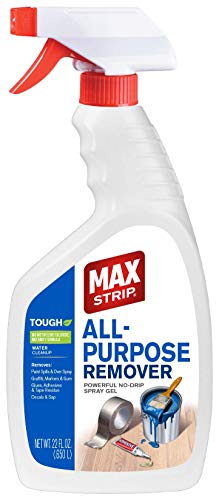 Max Strip ESA-522Drips, not refinishing
 Max Strip ESA-579Shellac and varnish removal
 Dumond 3332x2Largest container in the lineup
Will paint remover damage the wood?
Used correctly, paint remover does not harm solid wood. The risks come from the way people use it. Scraping before the paint has softened digs into the grain. Letting stripper sit far past the label time can leave the surface rough or darkened. Water-based products that dry out on the surface also stop working and tempt people to scrub harder.
Veneer and thin plywood are more delicate. Moisture and aggressive scraping can lift the thin top layer, so go slowly and keep the work area small on these pieces.
Some older pieces also carry shellac, lacquer or polyurethane under the paint. Not every stripper names every coating, so check the label first. Our best paint stripper for wood page lists which coatings each product names, which makes this easy to check.
Safety first
Old paint is a health risk before you ever add a stripper. Paint in homes built before 1978 may contain lead. Do not sand, scrape dry or heat it until you have tested it with a lead test kit, and follow EPA guidance for lead-safe work if the result is positive.
Even gentler strippers need basic protection.
- Wear chemical-resistant gloves and splash-proof eye protection.
- Ventilate the room well, even with low-odor products.
- Wear a dust mask or respirator rated for the job when you sand.
- Keep heat guns away from solvent-based strippers and from anything flammable, and never leave one running unattended.
- Use a stable ladder or step stool for trim and tall doors.
Step by step: the gentle method
This process works for furniture, doors and trim. Take your time, since patience protects the wood better than any product.
- Clean the piece with a mild soap and water so grease and dust do not block the stripper. Let it dry.
- Test a hidden spot. Apply a small patch to learn how the paint reacts and how long it needs.
- Apply a thick, even coat with a cheap brush. Do not brush back and forth, because that dries the surface.
- Wait for the paint to bubble or wrinkle. Check at intervals instead of guessing.
- Scrape gently with a plastic scraper or a wide putty knife held at a low angle, moving with the grain.
- Use a soft brush, a toothbrush or fine steel wool in carvings and corners.
- Wipe down as the label directs, let the wood dry fully, then sand lightly.
Choosing a stripper that suits your wood
Dwell time and coating match matter most. Sunnyside Multi-Strip Advanced lists 30 minutes to begin working and names lacquer and urethane among the coatings it removes. The two Max Strip products say to check every 15 minutes, and the Dumond Smart Strip products ask for a test patch to find your timing.
Container size is the other practical point. The listings range from 14 fl oz to 64 fl oz, and the makers do not publish coverage, so match the size to your project. A single chair needs far less than a set of doors.
The table below compares the products that are made for wood or name it as a surface.
| Product | Size (fl oz) | Max layers | Odor / indoor note |
|---|---|---|---|
| Max Strip Citrus Paint Stripper Gel | 32 | Not listed | Low / citrus odor |
| Dumond Smart Strip Advanced Paint Remover | 64 | 15 | Listed for indoor use |
| Dumond Smart Strip Advanced | 32 | 15 | Listed for indoor use |
| Sunnyside Multi-Strip Advanced | 32 | 15 | Low / citrus odor, indoor use |
| Smart Strip PRO Paint Remover | 14 | 20 | Listed for indoor use |
Gentler options and when to use them
For a thin layer of paint on a small item, you can try milder methods before a chemical stripper. Warm vinegar can soften some paints enough to scrape, though it works slowly and may not handle several layers or oil-based coatings.
Heat guns are effective on thick, old paint, but they carry fire and fume risks and can scorch wood if held too close. Keep the gun moving and scrape right behind it. Avoid heat entirely on old paint until you know it is lead free.
Sanding alone is the riskiest choice for the wood. Coarse sandpaper removes wood along with the paint and can leave swirl marks or flatten carved details.
Finishing the surface
After the paint is gone, look closely at the wood. Residue left in the grain will show through new stain or paint, so wipe the surface and let it dry as the stripper label says.
Sand by hand with fine paper, moving with the grain. Start with a medium grit only if you see ridges, then move to a finer grit for a smooth surface.
If you are choosing a product for a bigger job, compare coatings, dwell time and size again on our best paint stripper for wood page before you buy.
Frequently asked questions
Can I use a metal scraper on wood?
You can, but plastic scrapers are safer for the grain. If you use a metal putty knife, keep it at a low angle, round its corners slightly and never push it across the grain.
Do I need to neutralize the wood after stripping?
Follow the instructions on your product. Some call for a rinse or a wipe with a specified cleaner, while others do not. Skipping a required step can affect the new finish.
What if the stripper leaves wood looking gray or rough?
Light hand sanding with fine paper usually smooths it. Work with the grain and check the result before you apply any stain or finish.
Can I strip painted wood indoors?
Yes, if the product is listed for indoor use. Open windows, run a fan and keep the room ventilated even with low-odor formulas.