How to Remove Gutter Sealant From Gutters and Skin
To remove gutter sealant from a gutter, soften it with gentle heat, slide a sharp scraper underneath, then brush off the residue and wipe the metal clean. To remove it from skin, wipe off wet sealant with a dry rag, rub in cooking oil, and wash with soap and water. Cured sealant on skin wears off over a few days, so avoid harsh solvents on your hands.
 DAP 7079800765Best overall
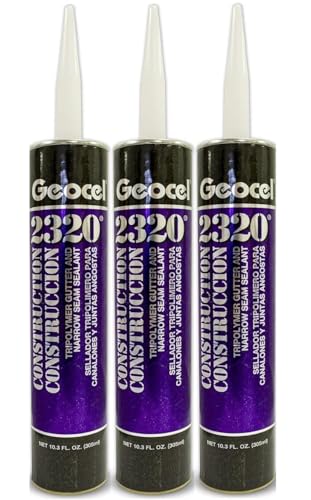 Geocel ORG7449242/3PK-FBABest value pack
 DAP 7079818399Best for small repairs
Pick the method that fits the job
Old gutter sealant is usually cured, cracked and stuck to dirt, so it rarely comes off in one pass. The right approach depends on what the sealant is made of, what the gutter is made of, and whether the sealant is still wet.
Start with the gentlest method and move up only if you need to. Mechanical removal (scraping and brushing) comes first, heat second, and solvents last. This order protects the gutter finish and keeps fumes and fire risk low.
| Method | Best for | Watch out for |
|---|---|---|
| Plastic or metal scraper | Thick beads and cracked seam sealant | Metal blades can scratch aluminum and gouge vinyl |
| Wire brush | Thin leftover film on metal | Can scratch painted or coated gutters |
| Gentle heat | Stubborn cured beads | Can warp or melt vinyl and scorch paint |
| Mineral spirits or a sealant remover | Sticky residue after scraping | Fumes, fire risk and finish damage; test a hidden spot first |
| Dry rag, then oil and soap | Wet sealant on skin | Do not use harsh solvents on skin |
Prepare and stay safe
Gutter work happens at height, so the biggest risk is a fall. Set the ladder on firm, level ground, keep your weight centered, and never reach far to the side. If you can do part of the job from the ground, our guide to the best gutter cleaning tools from the ground covers options that keep your feet on the lawn.
Before you start, gather what you need and protect yourself:
- Safety glasses, because scraped sealant and debris can flick into your eyes.
- Chemical-resistant gloves, especially if you use any solvent.
- A dust mask or respirator if you are brushing off old, dry sealant.
- Plenty of rags and a bucket for scrapings.
- Good ventilation and no open flames if you use a solvent, since many are flammable.
Remove sealant from the gutter step by step
Work on one seam at a time. Rushing usually leads to scratched metal and half-removed sealant that is harder to finish later.
- Clear leaves and loose grit from the seam so the scraper does not drag debris across the metal.
- Warm the sealant gently with a heat gun on a low setting, moving constantly. Skip this step on vinyl, and keep heat away from painted edges.
- Slide a sharp, new scraper blade under one edge of the bead and push slowly forward. A fresh blade lets cured sealant curl up in strips.
- Pull away loose strips by hand, then scrape remaining ridges at a shallow angle to avoid digging in.
- Use a wire brush on thin leftover film, working along the grain of the metal.
- If sticky residue remains, dampen a rag with mineral spirits or a remover made for your sealant type and rub the spot. Test a hidden area first.
- Wipe the seam with a clean, damp rag and let it dry fully.
Get gutter sealant off your skin
Speed matters. Wet sealant wipes away easily, while cured sealant clings to skin until it wears off naturally.
If the sealant is still wet, wipe as much as you can with a dry rag or paper towel first. Do not add water yet, because some sealants start to set when they get wet. Then rub cooking oil or baby oil into the area to loosen the remainder and wipe it off.
Wash with warm water and dish soap. A gentle scrub with a washcloth helps, but stop if your skin gets red or sore.
If the sealant has already cured, soak the area in warm, soapy water and rub gently. Thin films often peel off and the rest wears away over a few days of washing. Do not scrape skin with a blade, and avoid mineral spirits, lacquer thinner and similar solvents on your hands, since they can irritate skin and are flammable.
If sealant gets in your eyes, rinse with clean water for several minutes and get medical help. If you develop a rash, blisters or lasting irritation, stop and contact a health professional. Check the product label for its own first aid instructions.
Prepare the seam for new sealant
Removing the old bead is only half the job. New sealant bonds poorly to dirt, grime and leftover residue, so the seam needs to be clean and, for most products, dry.
Check that the metal is bare and smooth where the new bead will go, with no loose flakes. Wipe away any solvent film so it does not interfere with adhesion. Read the label of your replacement for rules on temperature and damp surfaces, since some products go on wet metal and others need a dry day.
Our best gutter sealant page compares several options on chemistry, flexibility, rain-ready time and color. Choosing a color that suits your gutters also helps, since a visible bead is harder to hide and harder to redo later.
Keep the next repair cleaner
A little preparation makes future removal much easier. Mask both sides of the seam with painter's tape, apply a steady bead, tool it smooth, and pull the tape before the sealant skins over.
Keep a rag in your pocket to wipe stray sealant right away. Wear gloves from the start, and keep a small bucket for used rags and scrapings. Cured sealant is much harder to clean than wet sealant, so the minutes right after application matter most.
Frequently asked questions
Can I use a heat gun on vinyl gutters?
It is better to avoid it. Vinyl softens and warps at fairly low temperatures. Use a plastic scraper and a solvent that is safe for vinyl instead, and test a hidden spot first.
Will vinegar or rubbing alcohol remove gutter sealant?
They may clean light residue, but they rarely dissolve cured sealant. Scraping and brushing do the heavy work. Try mild cleaners on leftover film only, and wear gloves.
Why does the sealant keep coming back as a sticky film?
Thin residue stays behind when only the thick bead is scraped. Brush the film, then wipe with a suitable solvent or remover and let the metal dry before sealing.
Is it safe to use mineral spirits near a gutter?
Use it outdoors with good airflow, away from flames, sparks and heat guns. Keep it off skin, store rags safely, and check that it will not damage your gutter finish.