How to Put a Respirator Mask Together Correctly
Start with a clean facepiece, seat each filter or cartridge in its port until it locks or threads on snugly, and make sure the valves and gaskets are in place. Then put the mask on, set the straps, and do a seal check before every use. If the mask leaks air around the edges, adjust it or choose a different size or model before you work.
 3M 62023HA1-CBest overall
 3M 65023QLH1-DCQuickest on and off
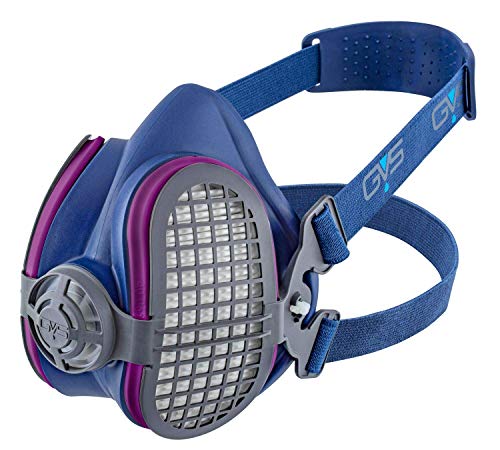 GVS SPR451Best for glasses wearers
Know the parts before you start
Most reusable half-face respirators share the same basic layout. A soft facepiece sits over your nose and mouth. Filters or cartridges attach to the sides or front. Small valves let your breath out, and straps hold everything against your face.
Lay the pieces out on a clean surface and check them. Look for cracks in the facepiece, a warped sealing edge, or a valve that looks stiff or dirty. A damaged part can let unfiltered air in, so replace it before you go further.
Your model's instruction sheet always wins over general advice. Cartridge styles differ, and the exact steps for locking a filter in place are not the same across brands. Treat this guide as a map and the manual as the final word.
Match the filters to the job first
Putting the mask together correctly starts with picking the right filter. Dust needs a particle filter. Paint fumes, solvents and cleaners need cartridges with organic vapor or acid gas protection, and those often include a particle layer too. Our best dust mask comparison explains how ratings and intended use differ.
In our data, a P100 rating means at least 99.97% filtration of particles, while N95 style filters list 95%. Some masks in that comparison, such as the full-face models, list no particulate rating at all, so you need to confirm the filter type yourself.
Check the date on the filter packaging as well. One full-face model in our data notes that the date printed on the filter package is the manufacture date, and the filters expire three years after it. Do not install a filter that is past its date.
Assemble it step by step
Wash your hands first so oils and grit stay off the sealing surfaces. Then work through these steps in order.
- Inspect the facepiece, exhalation valve and inhalation valves for cracks, tears or dirt.
- Make sure the inhalation valve disks sit flat in their seats. A curled or missing disk can let air bypass the filter.
- Line up the first filter or cartridge with its port. Press and twist, or thread it on, until it is firm and seated evenly.
- Repeat on the other side. Both filters should sit at the same depth with no gaps.
- If your model uses retainer rings or covers, snap them on so the filters cannot loosen.
- Untangle the straps and loosen them fully so the mask goes on without a fight.
- Give the whole assembly a gentle tug. Nothing should wobble or pop loose.
What differs between models
The steps above hold for most half masks, but strap style and filter counts vary. This table uses the specs from our comparison data.
Weight matters for comfort over a long session. Lighter masks tend to feel less tiring, though weight alone says nothing about how well the seal fits your face.
| Model | Type | Strap system | Filters listed | Weight |
|---|---|---|---|---|
| 3M 62023HA1-C | Multi-purpose reusable | Adjustable head straps | 1 included | 0.8 lb |
| 3M Quick Latch 65023 | Half-face reusable | Quick latch with adjustable head straps | 3 included | 0.84 lb |
| GVS Elipse SPR451 | Half-face reusable | Easy-to-adjust headband | Replaceable filters | 0.4 lb |
| AirGearPro G-500 | Half-face reusable | Adjustable straps | Replaceable filters | 0.2 lb |
| Tesoro Moda S-100 | Full-face reusable | Adjustable | 2 included | Not listed |
Put it on and set the straps
Hold the mask against your face with the nose area up and the chin cup under your chin. Pull the upper strap over the crown of your head, then connect or tighten the lower strap behind your neck. Keep the straps flat and untwisted.
Tighten in small steps, alternating sides, until the mask feels snug and even. Over-tightening on one side pulls the seal out of shape. Cranking the straps does not fix a poor fit, and it can leave marks and cause headaches.
Facial hair along the sealing edge, a stray hair or a thick pair of glasses arms can break the seal. If you wear glasses, check the spec for eyewear compatibility. In our data, the two GVS Elipse half masks list compatibility with glasses, and the Tesoro Moda full-face model says it does not work with them.
The 3M Quick Latch model lists a latch system that lets you drop the respirator down from your face without removing the straps. That is only meant for a clean, non-contaminated area, so do not use it as a way to chat in the dust.
Run a seal check every time
A fit check takes under a minute and tells you whether air is leaking around the edges. Use both of these tests.
- Negative pressure check: cover the filter openings with your palms or the manufacturer's covers, then breathe in gently. The mask should pull slightly toward your face and hold for a few seconds.
- Positive pressure check: cover the exhalation valve lightly and breathe out gently. The mask should bulge a little with no air escaping at the edges.
- If you feel air at the nose, cheeks or chin, reseat the mask and adjust the straps, then test again.
- If you still cannot get a seal, stop. Try a different size or model before working.
Safety notes and when to replace parts
Several masks in our comparison are marked for workplace or occupational use only. Read the intended use line, and follow your employer's respiratory program if you work under one. A respirator is not a substitute for ventilation when you work with solvents or fumes.
A half mask leaves your eyes open, so wear safety glasses or goggles with it. Sanding, grinding and spraying also call for hearing protection when tools are loud.
Replace filters when breathing gets harder, when you smell or taste a contaminant, or when the maker's time limit is reached. Store the assembled mask in a sealed bag away from dust and sunlight, and never wash the filters.
Do not use a respirator in an oxygen-poor space or for hazards the filters are not rated for. Asbestos, lead and similar hazards have special rules, so get proper guidance first.
Frequently asked questions
Do I need to take the filters off between jobs?
Usually not. Keep the mask assembled and store it sealed in a clean bag. Remove or replace filters only when they are worn, damaged or expired.
Can I mix filters from different brands?
Only if the respirator maker says they are compatible. Some bare facepieces need the same maker's filters, so check the model listing before you buy.
Does a beard affect the fit?
Yes. Hair along the sealing edge can create leaks. A clean-shaven sealing area gives the best chance of passing a seal check.
Is a disposable mask put on the same way?
Not exactly. A disposable mask has no filters to install, but you still need to shape the nosepiece, set both straps and check for leaks each time.
How do I know the mask fits my face size?
If you can pass both seal checks without over-tightening the straps, the size is probably right. If you cannot, try another size or model.