How to Properly Use a Wood Chipper for Beginners
Wear eye, ear and hand protection, prepare your branches, then feed them in butt end first while standing to the side of the chute. Never reach into the hopper, and shut the machine down fully before you clear a jam. Stay within the branch size the maker lists and leave margin for dry hardwood.
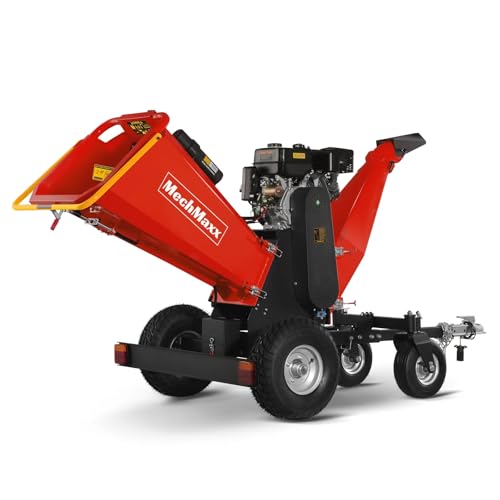 MechMaxx B150Best overall
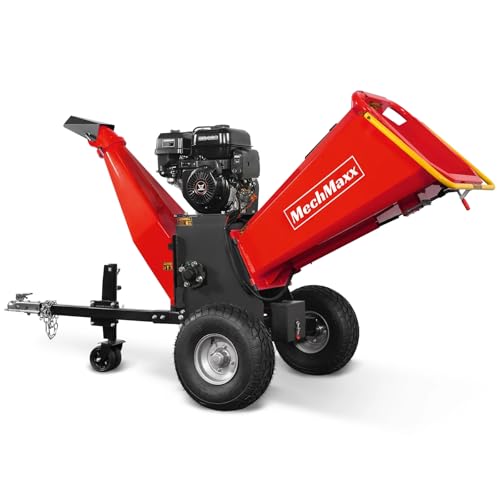 MechMaxx P4206Published 20:1 ratio at 6 in
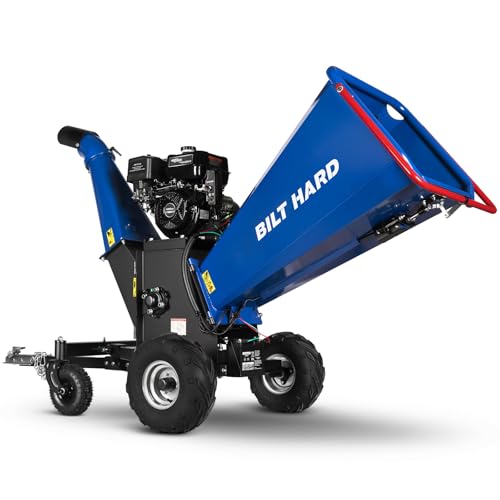 BILT HARD TL-TRA-0423-N2-0709Towable with 2-in hitch
Get your gear and workspace ready
A wood chipper is simple in principle: you feed a branch into a chute, spinning blades cut it up, and chips come out a discharge opening. It is also a machine that can injure you quickly, so a few minutes of setup matter more than anything you do once it is running.
Pick a flat, open spot on firm ground. Keep kids, pets and bystanders well back. Point the discharge chute away from people, windows and vehicles, because chips and small debris can exit with force. Gas models must only run outdoors, since engine exhaust contains carbon monoxide. For electric models, use a properly rated outdoor extension cord, keep it dry, and route it so you will not trip on it while backing away.
- Safety glasses or goggles, plus a face shield if you have one
- Hearing protection, since chippers are loud, especially gas models
- Snug work gloves and sturdy boots
- Close-fitting clothing with no loose sleeves, drawstrings, scarves or dangling straps
- Long pants and a hat or helmet in case of flying debris
Check the machine before every use
Read the owner's manual first. It lists the maximum branch diameter, what materials are allowed and how the safety switches work. Then walk around the machine before you start it.
Look for loose bolts, damaged guards and worn or cracked belts. Make sure the chute covers and hopper are closed and latched. Many chippers have a shutoff or interlock that stops the machine when a chute is open, and some models also have an emergency stop. Find that stop control now so you can reach it without thinking. Dull blades pull poorly and tend to crush wood instead of cutting it, so check their condition against the maker's guidance.
For gas models, check oil and fuel levels with the engine off and cool, and refuel only when the engine has cooled down. For electric models, confirm the cord is undamaged and plugged into a suitable outlet.
Prepare your branches
Good prep prevents most jams. Sort what you cut by diameter and set aside anything larger than your chipper is rated for. A machine rated for 1.8 in will struggle with a 4 in limb, and forcing it risks stalling the engine or motor and damaging the blades.
Leave some margin. One of the 6 in gas models on our page carries a note from its listing that its performance figures came from relatively soft branches, and that dry hardwood will give results below the advertised size, with pieces no larger than 80% of the stated figure. Treat the rated size as a ceiling for green, soft wood, not a target for every limb.
Trim side branches and forks so the stem is mostly straight. Remove nails, wire, rocks and dirt, because metal and stones damage blades. Check your manual for materials to avoid. The electric Yeryork model on our list, for example, says not to feed it leaves, old roots, bamboo, dry hay, straw or frozen branches. Other makers may list different limits, so follow the one for your machine. If you are shopping for a model, our best wood chipper comparison shows the maximum branch size each one lists.
Feed the chipper step by step
Work at a steady, calm pace. Rushing, or loading the hopper with a pile at once, is how people get hurt and how machines jam.
- Put on all your protective gear and double-check that the chutes are closed.
- Start the machine and let it reach full speed before you feed anything. For a gas model, that means the engine is running smoothly. For electric, the motor is at full speed.
- Stand to the side of the hopper, not directly behind the branch. Keep your feet planted and your balance steady.
- Feed the cut end first, with the thicker end leading, so the machine can grab it. Many chippers pull the branch in on their own.
- Let go as soon as the blades take hold. Do not follow the branch toward the opening, and never push with your hand past the hopper edge.
- Feed one branch at a time and wait for the machine to clear before adding the next. Mix thin and thick pieces to help it feed smoothly.
- When you are done, let the machine run empty for a moment, then shut it off and wait for all moving parts to stop completely.
Deal with jams and shutdowns safely
If the engine bogs down, the motor strains or chips stop coming out, stop feeding. Switch the machine off with the normal control or the emergency stop, and wait until the blades have fully stopped spinning. They can keep moving after the power is off.
Then disconnect the power. For an electric model, unplug it. For a gas model, remove the spark plug wire according to the manual so the engine cannot start. Only then open the chute and clear the blockage, using a stick or the tool the maker recommends, never your hands.
Some chippers shut down on their own when a chute opens. For example, the 6 in MechMaxx models on our page list a limit switch or emergency stop for this purpose, and the Yeryork electric model lists a rear-knob interlock plus protection for overheating and overcurrent. These features are helpful backups, not substitutes for unplugging or disabling the machine first.
Match the chipper to the job
Beginners often buy too little machine or too much. Check the real size of the branches you cut, how far you need to move the chipper, and whether power is nearby. Our best wood chipper page lays out capacity, weight and warranty side by side if you want to compare.
Here is a quick view of the types that appear in our data.
| Type | Listed branch capacity | Power | Best fit |
|---|---|---|---|
| Small electric | Up to 1.8 in | 15A motor, 3700 to 4000 RPM | Small prunings near an outlet |
| Mid-size gas | 3 to 4 in | 209cc to 274cc engines | Larger yard cleanups |
| Large gas | Up to 6 in | 420cc engine | Thick limbs and rural property |
Clean up and store the machine
After the machine has cooled and the power is disconnected, clear leftover chips from the hopper, chute and housing. Wood debris left inside can hold moisture and may cause rust or a clog next time. Check the blades for chips, dullness or damage, and follow the manual for sharpening, flipping or replacing them.
Heavy gas chippers can weigh a lot. The P4206 model on our list is shown at 441 lb, so plan how you will move it. Use the wheels and hitch the maker provides, tow only with a suitable vehicle, and never try to lift a heavy unit alone. Store the chipper dry and covered, away from children, and keep fuel in an approved container in a ventilated place.
Frequently asked questions
Can I chip wet or green wood?
Often yes, since fresh green wood is usually softer than dry hardwood. But wet, stringy material can clog the chute, so feed it slowly and check what your manual allows.
Should I wear gloves near the chute?
Wear snug gloves for handling branches, but keep your hands out of the hopper. Avoid loose cuffs or gloves that could snag on a branch.
How often should I clear chips from the machine?
Check after each session, and stop to clear sooner if chips start backing up or discharge slows. Always shut down and disconnect power first.
Is it safe to chip alone?
It is possible, but having someone nearby who knows where the emergency stop is adds a layer of safety. Keep a phone within reach.