How to Power Wash a House Safely and Correctly
Power wash a house with a wide-angle nozzle (25 or 40 degrees), low pressure, and the tip about three feet from the siding. Wet the wall, apply detergent, then work from the bottom up in side-to-side passes and rinse from the top down. Wear eye and hearing protection, plug into a GFCI outlet, and never aim the spray at windows, outlets, or people.
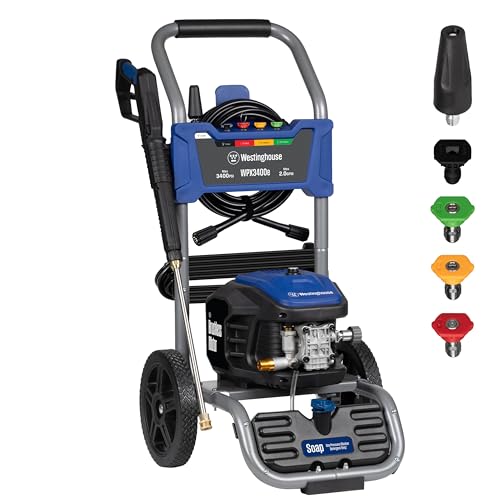 Westinghouse WPX3400eHighest rated PSI
 Westinghouse ePX3500Light with full accessories
 Imdot JX12Top max flow, light body
Check the house and your washer first
A house exterior is not as tough as a driveway. Vinyl, painted wood, stucco and older mortar can all be damaged by a narrow, close spray. Before you start, walk around and look for loose siding, cracked caulk, peeling paint and gaps around windows. Water forced behind siding can cause rot and mold later.
If your home was built before 1978, the paint may contain lead. Scraping or blasting old paint can spread chips and dust. In that case, test the paint or ask a qualified pro before you wash.
Next, look at your machine. For siding you do not need the most extreme number on the box. Max PSI is a peak figure, and rated PSI is closer to what the pump holds while you work. Flow matters too, because more GPM rinses faster. For example, the Westinghouse ePX3500 lists 2000 rated PSI and 1.2 rated GPM at 19 lb, which is a modest setup that suits siding work. If you are still choosing a machine, our best power washer for home use page puts rated PSI, flow, weight and hose length side by side.
Gear and safety setup
A pressure washer can cut skin, throw debris and give a shock if water meets a bad connection. Take a few minutes to set up safely.
Keep the machine on flat ground, and keep the cord off wet grass and puddles. Plug an electric unit into a GFCI outlet. Some models include a GFCI plug on the cord, which adds shock protection near water. Use an outdoor-rated extension cord only if you must, and keep the connection off the ground and out of water.
- Safety glasses or goggles, since spray can kick up grit.
- Hearing protection, especially with gas models.
- Closed-toe shoes with grip, plus long pants.
- Gloves for handling detergent.
- A stable footing. Never spray from a ladder with the wand in your hands.
Pick the right nozzle and distance
Nozzle angle controls how concentrated the spray is. A smaller angle hits harder over a smaller spot. Many home washers include quick-connect tips at 0, 15, 25 and 40 degrees, plus a soap tip.
For siding, start with the widest tip you have and increase intensity only if the dirt will not budge. Test on a hidden spot, such as low behind a shrub, before you clean a visible wall. Hold the tip about three feet away at first, then move closer in small steps.
| Nozzle | Spray | Best use on a house |
|---|---|---|
| 0 degrees | Pinpoint jet | Avoid on siding; can cut or etch surfaces |
| 15 degrees | Narrow fan | Stubborn stains on brick or concrete, kept at a distance |
| 25 degrees | General fan | Most siding, once tested on a small spot |
| 40 degrees | Wide fan | Delicate areas, windows, painted surfaces, first pass |
| Soap tip | Low pressure | Applying detergent |
Step-by-step: how to wash the exterior
Work in order and take your time. Choose a cool, overcast day if you can, so detergent does not dry on the wall before you rinse.
- Clear the area. Move furniture, grills and toys. Cover outdoor outlets, light fixtures and nearby plants. Close windows and doors.
- Connect the garden hose, turn the water on, and squeeze the trigger until water flows steadily. This purges air from the line. Some makers note that trapped air can keep the pressure from reaching its rating.
- Attach the soap tip and apply a house-safe detergent from the bottom up. Applying upward avoids streaks. Work in sections and do not let it dry.
- Let the detergent sit for the time on the label, usually several minutes. Do not scrub with the wand.
- Switch to a 25 or 40 degree tip. Start at the bottom of the wall and work up in long, horizontal, side-to-side strokes with slight overlap.
- Rinse from the top down so dirty water runs away from clean areas. Keep the spray angled slightly downward so water does not get under the lap of the siding.
- Move to the next section and repeat. Finish with a final rinse of the whole wall.
Handle tricky areas with care
Windows, gutters, soffits and trim need a gentler approach. Use the widest nozzle and stay farther back. Never spray straight into window seals, vents, light fixtures or electrical panels.
Two-story homes add risk. A longer reach helps you avoid awkward positions, and some listed models offer a 33 ft hose with a 35 ft cord, which can cover a lot of wall from one spot. Still, do not lean out from a ladder or roof edge while holding a spray wand. The spray creates backward force that can throw you off balance. For upper floors, an extension wand or a pro service is the safer route.
If your machine is heavy, wheels and a flat path make a real difference. Weight on the listings we compare runs from 16.58 lb to 51.8 lb, so think about how far you will move it around the yard. Our home use washer comparison shows weight and wheels for each model.
Common mistakes to avoid
Most damage comes from a few habits that are easy to fix once you know them.
- Starting too close with a narrow tip. Begin at three feet and test first.
- Spraying upward under siding laps, which pushes water behind the wall.
- Letting detergent dry on the surface.
- Holding the spray on one spot. Keep the wand moving.
- Using bleach blends without checking the label, or mixing cleaners. Never combine chemicals.
- Washing in direct sun or high wind, which causes streaks and overspray.
- Pointing the wand at people or pets, or at your own feet.
Finish up and store the machine
When the wall is clean, shut off the water and squeeze the trigger to release pressure. Turn off the machine, unplug it, and disconnect the hoses. Rinse plants that caught overspray with plain water.
Let the house dry, then check for missed spots. Some stains may need a second round of detergent rather than higher pressure. Drain the pump and hose before storing, and keep the unit out of freezing temperatures, since trapped water can crack parts.
Washing once a year is a common routine for many homes, but your climate and tree cover matter. If you plan to do this regularly, it helps to pick a washer with auto stop, a soap tank and enough hose length for your layout, all of which we list on our best power washer for home use page.
Frequently asked questions
Can I power wash a house with a gas washer?
Yes, but use it only outdoors with plenty of airflow, and keep it away from open windows and vents. Gas units also need fuel and engine care, and they are louder, so wear hearing protection.
Should I wet the house before using detergent?
A light wetting can help the detergent spread evenly, especially on dry, dusty walls. Keep the water low-pressure and do not soak the wall so much that the detergent runs thin.
Is it okay to power wash painted or wood siding?
It can be, but use the widest nozzle, stay farther back, and test a hidden spot first. Peeling or soft wood is a sign to stop and have the surface checked.
How long does it take to wash a whole house?
It depends on size, how dirty the walls are and how many sections you do. Plan on a full day for a typical two-story house, including setup, dwell time, rinsing and cleanup.
What if my washer has auto stop?
Auto stop shuts the pump when you release the trigger, which saves wear and reduces noise. It does not remove the need to release pressure and unplug the machine when you are done.