How to Paint a Manufactured Home Exterior
Yes, you can paint the outside of a manufactured home. The steps are to clean and rinse the siding, fix problem spots, prime where needed, and apply two thin coats of exterior-rated acrylic latex paint in mild weather. Prep decides how long the job lasts, so give it the most time.
 Rust-Oleum 1993730Best overall
 INSL-X CC560109A-01Top coverage in semi-gloss
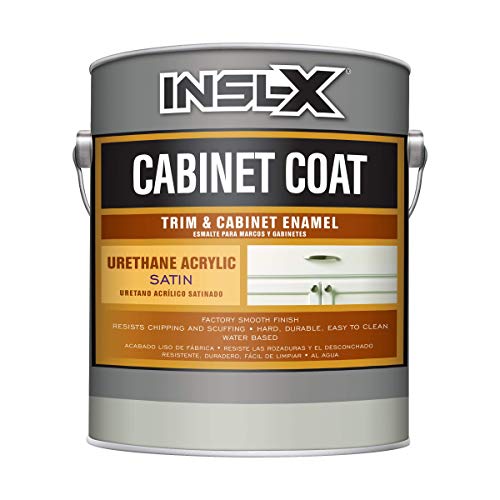 INSL-X CC550109A-01Top coverage in satin
Can you paint a mobile home exterior?
You can, and many owners do. Most manufactured homes are covered in metal, vinyl or hardboard siding, and all three can take paint when they are clean and the paint suits the surface.
The main catch is the paint itself. A manufactured home's exterior mixes metal, vinyl and old painted surfaces, so you need a product rated for outdoor use. Many cabinet and trim paints are made for indoor use only, so read each listing for words like exterior or outdoor before you buy.
Check the siding first. Bare metal that is rusting needs rust treatment. Vinyl needs a paint the maker says is safe for vinyl. Older painted metal usually needs only cleaning and a quick sand of any loose areas.
What you need before you start
Gather everything before day one so you are not stopping mid-wall. Most of this is ordinary house painting gear.
- Pressure washer or garden hose with a stiff brush and a mild detergent
- Scraper, wire brush and sandpaper for loose paint and rust
- Exterior-grade caulk for gaps around windows, doors and trim
- Rust-inhibiting primer for bare metal, plus a bonding primer if the paint maker asks for one
- Exterior acrylic latex paint in the sheen and color you chose
- Brushes, a roller with a medium nap, and a sprayer if you prefer one
- Painter's tape, drop cloths and plastic sheeting for skirting, vents and windows
- Ladder, safety glasses, gloves and a respirator or dust mask
Prep the siding the right way
Paint sticks to clean, dull, sound surfaces. Chalky residue, dirt and mildew will make even a good paint peel, so do not rush this part. Work in this order:
- Pick a dry stretch of days. Avoid direct midday sun on the walls and avoid rain in the forecast. Many makers list a safe temperature range on the can, so follow it. One cabinet paint on our comparison page, for example, lists application between 50 and 90 degrees F.
- Wash the whole exterior. Use a detergent solution and a soft brush, or a pressure washer on a low setting. Hold the nozzle back from the seams, since forced water can get behind the panels.
- Treat mildew. A diluted household bleach solution works for green or black spots. Rinse well and let everything dry completely.
- Scrape and sand. Remove flaking paint and feather the edges. Sand glossy areas lightly so the new coat can grip.
- Treat rust. Wire brush to bare metal, wipe clean, and spot prime with a rust-inhibiting primer.
- Caulk and mask. Fill gaps with exterior caulk, then tape trim, windows and light fixtures. Cover the skirting, vents and the ground below.
Choose paint that matches each surface
Siding paint should be a 100 percent acrylic exterior latex. It flexes with temperature swings and resists fading better than many alternatives. Our best paint for mobile home exterior page compares specs so you can see which listings actually name outdoor surfaces.
Use that page with some care. On it, the Rust-Oleum Painter's Touch, Rust-Oleum Door & Trim and Modern Masters front door paint are the ones whose listings name outdoor use. None of the listings mention vinyl, so ask the maker before you coat vinyl panels.
Primer rules vary by product. Cabinet Coat, Giani and Zinsser Perma-White claim no primer is required, but Zinsser's listing is for interior spaces and the other two target cabinets. The Rust-Oleum Painter's Touch listing asks you to sand with 180/200 grit and degrease first. Always follow the can.
| Surface | Prep | Paint note |
|---|---|---|
| Painted metal siding | Wash, scrape loose paint, sand glossy areas | Exterior acrylic latex; prime bare spots |
| Bare or rusty metal | Wire brush, remove dust, rust-inhibiting primer | Prime before any topcoat |
| Vinyl siding | Wash and dry thoroughly | Use only paint the maker approves for vinyl |
| Trim and doors | Light sand, degrease, tape edges | See our best paint for exterior doors comparison |
Pick a color: white, black or something else
White and other light colors reflect sunlight, so the siding stays cooler. They also hide chalking and dust well. Most paints on our spec sheet come in white only, which is worth noting if you want a bolder color.
Black and other dark colors soak up heat. On vinyl, that heat can cause warping, so only use a dark color on vinyl if the paint maker says it is made for that. Dark colors on metal are safer, but panels will get hot to the touch in summer and show dust and scratches more.
Mid-tones such as gray, tan and sage are forgiving. Test a sample on a small hidden patch and look at it in morning and afternoon light before you commit. Trim in a contrasting color adds a finished look. For doors, shutters and trim, a product listed for exterior metal, wood and fiberglass is a better fit than a wall paint. The Rust-Oleum Door & Trim listing names all three.
Apply the paint
Stir the paint well, then work one wall at a time from top to bottom. Paint in the shade where you can, so the paint does not dry too fast and leave lap marks.
Start with a primer coat on any bare metal or patched areas. Let it dry as the can directs. Cut in around edges with a brush, then roll or spray the open areas. Keep a wet edge and avoid overworking paint that has started to set.
Two thin coats beat one thick coat. Check the dry-to-touch and recoat times on the can. Dry-to-touch times on our page run from 30 to 60 minutes across the products that list it, but recoat times are often much longer, so do not treat a dry feel as ready for a second coat.
Plan your quantity from the coverage figure. Listed coverage on the page ranges from 30 sq ft for a 0.25 qt can to 450 sq ft for a 4 qt can. Small cans suit trim and door work, but they are impractical for full walls. Measure each wall, subtract windows and doors, and buy enough for two coats.
Safety notes
Painting a home exterior involves heights, water and chemicals, so take a few precautions.
Set ladders on firm, level ground and keep three points of contact. Stay far away from power lines and the service drop to the house. Plug pressure washers and power tools into a GFCI outlet and keep cords out of puddles.
Wear safety glasses when scraping, sanding and washing, and a respirator or dust mask when sanding or spraying. If the home was built before 1978, the old paint may contain lead, so test it before you sand or scrape. Never mix bleach with ammonia or other cleaners, since that releases toxic fumes. Work with good airflow.
Frequently asked questions
Can you paint the outside of a mobile home with a sprayer?
Yes. An airless sprayer covers large areas fast, but you must mask windows, skirting and nearby cars carefully. Back-roll the paint with a roller if the maker recommends it.
How long should I wait between coats?
Follow the recoat time printed on the can. Dry to the touch is not the same as ready to recoat. One listing on our page shows a 2 hour recoat time and 24 hours before normal use.
Do I always need primer?
Not always. Bare metal and stained or chalky areas usually do. Some paints claim no primer is needed, but prep still matters, so check the label.
Should I paint the roof or skirting too?
Roofs need a coating made for roofs, not wall paint. Skirting can be painted with the same exterior paint if the material is compatible, such as vinyl-safe paint on vinyl skirting.