How to Mix Concrete in a Bucket Without a Mixer
Pour dry bagged concrete mix into a clean bucket, make a hollow in the middle, and add water a little at a time while stirring with a sturdy hoe, paddle, or trowel. Keep going until the mix looks like thick oatmeal and holds its shape without pooling water. Buckets work well for small jobs such as setting a post or patching a step, but larger pours are easier with a mixer.
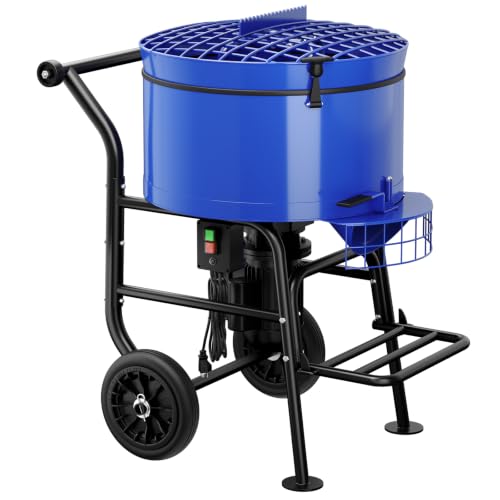 Dkenicor KF100368US-01LHC-001-YIH
 Dkenicor KF100322US-02MLHC-001
 Dkenicor KF100248-02-YH-O
What you need before you start
Hand mixing is simple, but having everything ready matters because concrete starts to stiffen once water hits the cement. Set up near the spot where you will use it, so you are not carrying heavy buckets far.
Gather these items first:
- A bag of premixed concrete (cement, sand, and gravel already blended) or the separate ingredients
- A sturdy 5-gallon bucket, or two so you can mix one while the other is in use
- A clean water source and a smaller container for measuring water
- A mixing tool, such as a garden hoe, a mixing paddle, or a heavy margin trowel
- A wheelbarrow or mixing tub if you want more room to turn the mix
- Gloves, safety glasses, a dust mask, and waterproof boots or long pants
Safety first
Cement is caustic. Wet concrete can cause skin irritation and chemical burns if it sits on your skin or soaks into clothing, so wear long sleeves, waterproof gloves, and eye protection. If you get it on your skin, rinse it off with clean water right away.
The dust is the other hazard. Wear a dust mask or respirator rated for fine particles when you open the bag and pour the dry mix, and work outdoors or in a well-ventilated area. Stand upwind so the dust blows away from you.
Bags of concrete mix are heavy, and a full bucket is heavier still. Lift with your legs, and fill a bucket only partway so you can handle it comfortably. If you are mixing near a power tool or an outdoor outlet, keep cords and extension leads out of the water.
Step-by-step: mixing in a bucket
Check the bag first. The manufacturer's instructions give the water amount for that specific mix, and that guidance beats any general rule. Then follow this order.
- Add about half of the dry mix to the bucket. Do not fill it to the top, since you need room to stir.
- Break up any lumps and give the dry mix a quick stir so it is even.
- Make a small well in the center, like a volcano crater.
- Pour in about three quarters of the water you plan to use, a little at a time.
- Pull the dry mix from the edges into the wet center with your hoe or paddle. Scrape the bottom, because dry pockets hide in the corners.
- Add the remaining water slowly, in small splashes, until the mix is uniformly damp with no dry streaks.
- Keep stirring for a few minutes, then let it rest briefly and give it one last turn.
Getting the water right
Water is where most hand mixes go wrong. Too much makes the concrete soupy and weak once it cures. Too little leaves it crumbly and hard to place, with air pockets that weaken the result.
A good consistency looks like thick oatmeal or stiff cookie dough. When you press the back of a trowel into the surface, it should leave a smooth, firm impression. If water pools on top or the mix slumps flat like pancake batter, it is too wet. If it looks dry and will not stick together when squeezed, add a splash of water and keep mixing.
Add water in small amounts and mix fully after each addition. It is easy to add more, but you cannot take it out. Also use clean water, since dirty or salty water can interfere with curing.
Bucket, wheelbarrow, or mixer?
A bucket is the right tool when you only need a small amount. For anything bigger, you will spend a lot of time and effort stirring, and the batches may vary in quality. A wheelbarrow or mixing tub gives you more room, and a powered mixer saves the most effort when you have several bags to get through.
If you find yourself reaching for a third or fourth bag, it may be time to look at our best concrete mixer comparison. For occasional projects around the house, our best concrete mixer for home use page compares published specifications side by side so you can match the drum size to the jobs you expect.
| Method | Best for | Main drawback |
|---|---|---|
| Bucket | Fence post, small patch, a single step | Slow and tiring beyond a bag or two |
| Wheelbarrow or tub | A few bags, small slab sections | Needs space and strong arms to turn the mix |
| Powered mixer | Larger pours and repeated batches | Needs storage, a power source, and cleanup |
Working time and cleanup
Concrete does not wait. Once mixed, you have a limited window to place and finish it, and warm, dry, or windy weather shortens that window. Mix only what you can use quickly, and have your form or hole ready before you add water.
Rinse tools and buckets as soon as you are done, before the residue hardens. Do not pour leftover wet concrete or rinse water down a household drain, because it can set in the pipes. Dispose of it where local rules allow, such as on a plastic sheet to harden and then be thrown away. Once cured, concrete should be kept damp for the first few days when conditions allow, since slow, moist curing helps it gain strength.
Frequently asked questions
Can I use a drill with a paddle to mix concrete in a bucket?
Yes, a drill with a mixing paddle can speed things up for small batches. Use a model that can handle thick material, keep a firm grip, and wear eye protection because the mix can splash. Keep the cord away from water.
Can I mix concrete without cement bags, using separate ingredients?
You can, but it takes more care. Cement, sand, and gravel must be measured by volume in consistent proportions, and the exact ratio depends on the job. Premixed bags are easier for beginners because the proportions are already set.
How long should I mix by hand?
Keep mixing until you see no dry streaks and the color is even throughout. For a bucket batch, that usually takes a few minutes of steady work, but the look of the mix matters more than the clock.
Can I mix concrete in cold or hot weather?
Extreme temperatures affect how the concrete sets. In heat it stiffens faster, and in cold it can cure slowly or be damaged by freezing. Check the bag for temperature limits and choose a mild day when possible.