How to Get Hinges Off a Door Without Damaging It
For most doors, support the door, then tap each hinge pin up and out from the bottom with a hammer and a nail or punch. Lift the door off the remaining hinge knuckles, then unscrew the hinge leaves from the frame and door if you want them gone entirely. If the pins will not budge, or the pin head is fixed in place, unscrew the leaves instead.
 Ajingff MJMJL02Best overall
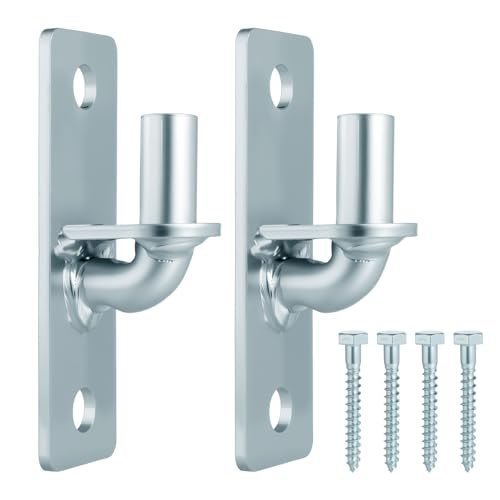 WENHUALI WENHUALI-0248Chain link pin hinge
 Insaga INPS-B-3-P2Highest listed load rating
Start by Working Out Which Hinge You Have
Look at the hinge before you pick up a tool. Most interior doors use butt hinges with a pin you can lift out. Some have a pin that is fixed or has a set screw, so it is built to stay put. Outdoor gates often use strap, T or pin hinges that are bolted or welded to the post.
The type decides the method. Using a hammer on a hinge that was never meant to open is the quickest way to bend a leaf or crack a jamb, so take a minute to check.
| Hinge type | How you can tell | Best removal method |
|---|---|---|
| Loose-pin butt hinge | Round pin with a flat or domed head at the top | Tap the pin up and out, then lift the door off |
| Fixed-pin or non-removable pin | No pin head, or a small set screw in the knuckle | Unscrew the leaves from the jamb or the door |
| Bolt-on strap or T hinge | Long leaf with bolts and nuts through the wood | Undo the nuts and bolts, supporting the gate first |
| Weld-on gate hinge | Bead of weld between hinge and metal post | Cut or grind the weld, which is a job for someone with the right gear |
| Spring or self-closing hinge | Coiled spring or adjustment holes in the barrel | Release the spring tension first, then unscrew |
Gather Tools and Protect Your Surfaces
You do not need much for a standard door. The goal is to keep the force off the wood and paint.
Lay a drop cloth or old blanket on the floor where the door will rest. Doors are heavier and more awkward than they look, and a dropped corner can split a veneer or crack a tile.
- Hammer and a nail set, large nail or punch for the pins
- Flat-head and Phillips screwdrivers, or a drill with the matching bits
- Utility knife to score painted edges
- Two wooden wedges or folded cardboard to hold the door steady
- Painter's tape and a marker for labeling
- Penetrating oil for stuck pins, plus a rag
- Safety glasses
Remove the Door Step by Step
Work from the bottom hinge upward. This keeps the weight on the hinges that are still attached until the last moment.
Have a helper if the door is solid wood or very tall. One person can steady the door while the other taps pins.
- Open the door and slide a wedge or folded cardboard under the latch edge so it cannot swing or drop.
- Score any paint that bridges the hinge knuckle and the pin with a utility knife. This stops the paint from tearing off in strips.
- Place the nail or punch against the bottom of the lowest pin and tap upward with the hammer until the pin rises enough to grab.
- Pull the pin out by hand or with pliers. Repeat for the middle pin, then the top pin.
- Hold the door by its edges, lift it clear of the knuckles and set it on the drop cloth.
- Put the pins back into the hinges on the frame so they do not get lost, or tape them to the door.
Deal With Stuck Pins and Stubborn Screws
Paint, grime and rust are the usual culprits. Spray a little penetrating oil at the top and bottom of the pin, wait a while, then tap again with short, firm strokes rather than hard blows.
If the screw heads are filled with paint, scrape the slots clean with a small pick or the tip of a knife before you insert the screwdriver. A bit that seats fully is much less likely to strip the head.
For a stripped screw, lay a wide rubber band over the head and press the bit through it for extra grip. If that fails, a screw extractor bit usually works. Use low speed on a drill so you do not widen the hole.
If the screw holes in the wood are chewed up, you can fill them with glued wooden dowels or toothpicks before reinstalling. That gives new screws something to bite into.
Taking a Gate Off Its Hinges
Gates add a few problems. They are heavier, they sit outdoors and the hinge hardware often rusts. Spray bolts and nuts with penetrating oil first and give it time to soak in.
Support the gate on blocks or with a helper before you loosen the last fastener. A gate that drops can pinch fingers and damage the latch side of the post. If you need a ladder for a tall gate, set it on firm ground and keep three points of contact.
Weld-on hinges are different. Cutting or grinding them throws sparks and metal chips, so wear eye protection, hearing protection, gloves and long sleeves, and keep dry grass and other flammables well away. If you are not comfortable with an angle grinder, hire someone who is.
If you are removing a worn gate hinge because the gate sags or sticks, it can help to see what to look for in a replacement. Our best gate hinges page compares load rating, hinge length, material and mounting type side by side, which makes it easier to pick a pair that suits your posts.
Safety and Prep Notes
Wear safety glasses whenever you hammer metal on metal. Pins and chips can fly off unexpectedly.
If the door or frame is in an older home and the paint may contain lead, do not dry sand or scrape it. Check with local guidance on testing and safe work practices first.
Label each hinge with tape if you plan to reuse them. Hinges that have worn in together often sit better when they go back in the same position. A quick photo of the setup before you start also helps.
After the Hinges Are Off
Clean the hinge mortises and wipe off dust and old paint flakes. Check the leaves for bends and the pins for wear. A hinge with a bent leaf will cause rubbing again after you rehang the door.
If you are replacing them, measure the leaf size and the screw spacing so the new hinges sit in the same cutouts. For outdoor gates, match the hinge to the gate's weight and post material, which our gate hinge comparison covers in more detail.
When you rehang, start with the top hinge. Fit the pin through the knuckles, then the middle and bottom. If the pins are stiff, a light coat of oil on the pin helps them slide in.
Frequently asked questions
Do I have to take all the hinges off to remove the door?
Not necessarily. If the pins lift out, you only need to remove the pins. The leaves can stay on the frame and the door, which also makes rehanging easier.
Will removing hinges damage the paint?
It can if paint bridges the joint. Scoring along the edge with a utility knife before you start lets the paint break cleanly instead of peeling away from the wood.
What if the pin spins but will not come out?
Try holding the pin with pliers while tapping from below, or add penetrating oil and let it sit. If it still will not move, unscrew the hinge leaf from the frame instead.
Can I take a door off by myself?
Light interior doors are manageable alone if you wedge them first. For heavy solid wood or tall doors and gates, a second person is safer.