How to Flush a Water Heater to Remove Sediment
To flush a tank water heater, turn off its power or gas, shut the cold supply, connect a hose to the drain valve, and drain the tank. Then briefly open the cold supply to stir up and rinse out the remaining sediment, close the drain, refill the tank, and restart the heater. Tankless models have no tank to drain, so they are flushed with a descaling routine instead.
 Rheem RTEX-06TBest overall
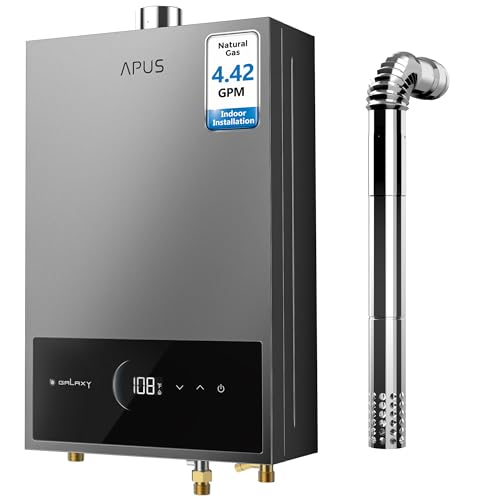 APUS AP-AWH-Q13NGNatural gas pick
 GE GE20P08BARLargest plug-in tank
Why sediment builds up in a tank
Water carries dissolved minerals. When a storage heater warms that water, some of the minerals settle out and collect on the bottom of the tank as a layer of grit or scale. Homes with hard water tend to see more of it.
A thick layer can cause popping or rumbling noises, slower recovery, and less hot water than you expect. On electric models it can also coat the heating element. A regular flush clears loose sediment before it hardens, which is one of the simplest parts of water heater maintenance.
What you need and safety first
Gather your supplies before you start. The job is simple, but the water inside is hot and the heater is connected to power or gas.
Never leave an electric heater switched on while the tank is draining. An element that is not covered by water can burn out within minutes. If you have a gas heater, set the gas control to the pilot or off position as the manufacturer directs. Wear closed shoes and gloves, because drain water can be hot enough to scald.
- A garden hose long enough to reach a floor drain, a utility sink, or the outdoors
- A flathead screwdriver or pliers, if your drain valve needs one
- A bucket for the first rush of water and any debris
- Work gloves and eye protection
- Your heater's manual, to confirm the drain valve type and the shutoff steps
Step-by-step: flushing a tank heater
Follow these steps in order. If your manual gives different instructions for your model, follow the manual.
Let the tank cool for an hour or two if you can. Draining it right after heavy use means very hot water at the hose end.
- Turn off the power at the breaker for an electric heater, or set a gas heater to the pilot or off setting.
- Close the cold water supply valve on the pipe above the heater.
- Attach the hose to the drain valve near the bottom of the tank and run the other end to a safe drain.
- Open a hot water faucet somewhere in the house. This lets air in so the tank can drain.
- Open the drain valve and let the tank empty. Be patient, because sediment can slow the flow.
- With the drain still open, turn the cold supply on for short bursts. The incoming water stirs the bottom and pushes loose sediment out. Repeat until the water runs clear.
- Close the drain valve, remove the hose, and close the faucet you opened.
- Open the cold supply and let the tank fill. Keep the hot faucet open until water runs steadily, which shows the tank is full of water and the air is out.
- Restore power or relight the gas as the manual directs, and check the drain valve for drips.
If the water will not run clear
Sometimes the flow slows to a trickle because sediment clogs the valve opening. Close the drain, open the cold supply briefly to push pressure back through, then try again. A stuck or leaking drain valve may need replacing, which is a job for a plumber if you are not comfortable doing it.
If the water stays cloudy or you hear heavy rumbling after several rounds, the buildup may be too hard for a simple flush. In that case, ask a plumber about deeper cleaning rather than forcing it.
Tank vs. tankless: what flushing means
Flushing as described above applies to storage heaters, such as the 18 gal GE plug-in model in our lineup, which runs on 120 V. Tankless units heat water as it passes through, so the problem is scale inside the heat exchanger, not a pool of sediment on a tank floor.
Tankless descaling usually means circulating white vinegar through the unit with a small pump and hoses, then rinsing. Follow your model's manual, because the service ports and procedure vary. Some listings also point to simpler upkeep. The Westinghouse listing, for example, mentions a removable inlet filter, which is worth checking for debris.
Cold climates add a related task. The APUS gas listing notes that a unit must be completely drained if it will sit unused in freezing conditions, so draining a tankless heater can be about freeze protection as well as scale. If you are weighing a switch, see our best tankless water heater comparison for flow rates and power needs, or our best water heater page for tank and tankless options side by side.
| Type | Main buildup problem | Typical upkeep |
|---|---|---|
| Storage tank | Sediment settles at the bottom | Drain and flush through the tank drain valve |
| Electric tankless | Scale inside the heat exchanger | Descale with vinegar and check the inlet filter if present |
| Gas tankless | Scale inside the heat exchanger | Descale per the manual; drain fully before freezing weather |
How often to flush and when to call a pro
A common rule of thumb is to flush a tank heater about once a year, and more often if you have hard water. Your manual's schedule takes priority.
Call a professional if the drain valve will not close, the tank leaks, you smell gas, or the heater is old and the drain valve has not been opened in years. Old valves can break when turned. Lifting a full-size tank is also unsafe, so do not try to move one to drain it. For reference, the GE 18 gal unit weighs 54 lb and stands 25.75 in tall even before it is filled.
Frequently asked questions
Can I flush a water heater without turning it off?
No. Always shut off the power or gas first. Electric elements can burn out if they run without water around them, and a gas burner should not fire while the tank is draining.
Is it normal for the first water to look rusty or gritty?
Yes, the first rush often carries loose sediment and flakes. If the water stays brown or full of debris after repeated flushing, have a plumber check the tank.
Do I need to refill the tank before turning the heater back on?
Yes. Make sure the tank is completely full, with water running steadily from an open hot faucet, before you restore power or relight the gas.
Will flushing fix a heater that makes popping sounds?
It often helps, because the noise usually comes from water trapped under a layer of sediment. If the noise returns soon after, the buildup may be heavy or the heater may be near the end of its life.