How to Fix Wooden Door Hinges That Sag or Bind
Most sagging or binding wooden doors can be fixed by tightening the hinge screws, replacing stripped screw holes with a wood filler and longer screws, and then shimming or recessing a hinge to move the door slightly. If the hinges are bent or the door is very heavy, replace them with longer, stronger ones. Start with the simplest fix and test the door after each step.
 Ajingff MJMJL02Best overall
 Weigreat WGZXMJL03Matches top load and length
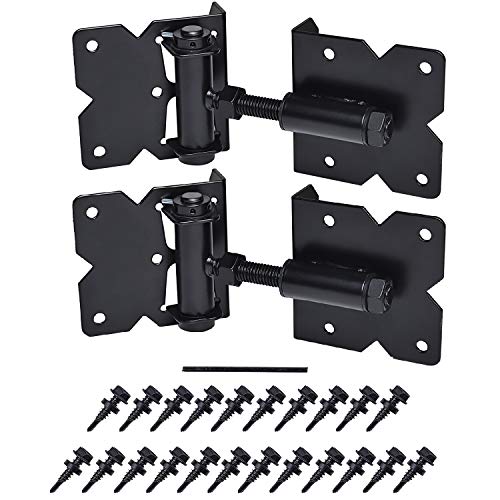 SANKINS SANKINS_B0897CH8RHAdjustable self-closing spring
Why wooden doors sag or bind
A door hangs from its hinges, and the top hinge carries most of the pull. Over time, the screws loosen and the wood around them wears out. The door then drops on its latch side and rubs the frame or the floor.
Binding has a few causes. Humidity can swell the wood, paint can build up in the gap, and a hinge set too deep or too shallow can push the door against the frame. Looking at where the door rubs tells you which problem you have.
Before you touch a tool, close the door slowly and watch the gaps. Check the gap along the top, the latch side and the bottom. Mark any rubbing spots with a pencil so you can see whether your fix worked.
Tools and safety first
You do not need much for these repairs. Work with the door supported so it cannot fall on you or pinch your fingers when the screws come out.
Wear safety glasses when you drive screws, drill or sand, because wood chips and dust can reach your eyes. If you use a power sander or a router, add hearing protection and a dust mask. Unplug corded tools before changing bits.
- Screwdriver or drill with a driver bit
- Longer wood screws, about 3 in for the top hinge, and wood glue
- Wooden toothpicks, dowels or golf tees for stripped holes
- Cardboard or thin hardboard for shims, plus a utility knife
- Pencil, sandpaper and a block plane or chisel
- A helper or wooden wedges to hold the door up
Step 1: Tighten the hinge screws
This fixes more sagging doors than any other step. Open the door and tighten every screw on every hinge, on both the door leaf and the frame leaf. Do not overtighten, because a screw that spins freely is already stripped.
If the door still drops, replace the top hinge's frame-side screws with longer ones. A longer screw reaches past the loose door jamb into the solid framing behind it and pulls the door back toward square. Pick a screw that fits the hinge hole head without poking through the other side of the frame.
Step 2: Repair stripped screw holes
If a screw keeps spinning, the hole is worn out. Remove the screw and dip a few toothpicks or a small dowel in wood glue. Push them into the hole until it is full, then snap them off flush and let the glue dry.
Once the glue has set, drive the original screw back in. The new wood gives it something to grip. If the hole is too large for toothpicks, use a glued dowel, trim it flush, and drill a small pilot hole before you drive the screw.
Follow these steps in order:
- Support the door and remove the loose screws.
- Fill each hole with glued toothpicks or a dowel.
- Trim flush and let the glue dry fully.
- Drill a small pilot hole in the repair.
- Drive the screw until it is snug, not crushed.
Step 3: Shim or recess a hinge to adjust the door
Wooden door hinges do not have an adjustment knob, but you can change how the door sits by changing how far each hinge sits in its recess, called a mortise.
To close a gap or lift a drooping latch side, add a shim behind the bottom hinge. Cut a strip of thin cardboard the size of the hinge leaf, remove that hinge's screws, slip the strip into the mortise, and reinstall the hinge. This pushes the bottom of the door away from the frame and can pull the top corner back into place.
If the door binds on the latch side, do the opposite. Deepen the mortise slightly with a sharp chisel on the hinge that sits too proud, so the door pulls in. If a hinge sits too deep and the door rubs on the hinge side, a shim behind that hinge brings it back out.
Change one hinge at a time and check the door after each change. Small tweaks go a long way.
Match the symptom to the fix
Use this table to decide where to start. It covers the common signs and the simplest repair for each.
If none of these resolves it, look for a bent hinge leaf or a door that has warped, which needs different treatment.
| Symptom | Likely cause | First fix |
|---|---|---|
| Door rubs the floor or top latch corner | Loose or stripped top hinge screws | Tighten, then use longer screws or fill the holes |
| Door sticks on the latch side only | Swollen wood or paint buildup | Sand or plane lightly, then reseal the edge |
| Gap along the hinge side | Hinge mortise too deep | Add a cardboard shim behind the hinge |
| Door binds on the hinge side | Hinge sits too proud | Deepen the mortise slightly with a chisel |
| Hinge leaf looks bent or the pin wobbles | Worn or overloaded hinge | Replace the hinge |
When to replace the hinges
Sometimes the hardware is the problem. A hinge that is bent, rusted or too short for the door cannot hold it. Heavy solid-wood doors put a lot of load on small hinges, and thin leaves can flex over time.
Replace hinges one at a time so the door stays supported, and match the size and screw layout so the old mortises still fit. Longer strap-style hinges spread the load over more of the board, which helps on large or heavy wooden doors and gates. Our best wood gate hinges page compares length, material, finish and load rating side by side if you are moving up to something sturdier.
For example, the top two products there list 1000 lb per pair on 13 in carbon steel straps, and their screws are meant for wood doors from 35mm to 60mm thick. Not every listing includes wood screws, and some include screws meant for vinyl, so check the pack contents before you buy. If a listing gives no load rating, the maker does not publish one, so you cannot compare it with your door's weight.
Heavy outdoor doors and gates
Outdoor wood adds weather to the mix. Moisture makes wood swell and shrink with the seasons, and plain steel hinges can rust and seize. Look for a finish such as powder coating or galvanizing, and re-check the screws once or twice a year.
If your door is closer to a garden gate or shed door, our wood gate hinge comparison can help you pick a strap or T hinge. Longer straps suit heavier timber, while the shortest hinges, at 3.5 in, are better kept for light gates and small doors.
Gates are heavy and can be awkward to lift. Use a helper when you remove a hinge from a large gate, and keep your hands clear of the swing path. Use a stable ladder on level ground for any hinge you cannot reach from the floor.
Frequently asked questions
Can I fix a sagging door without taking it off?
Often yes. Tightening screws, swapping in a longer top-hinge screw and shimming a hinge can all be done with the door in place. Wedge the door up from below so its weight is off the hinge you are working on.
Why does my door only stick in summer?
Wood absorbs moisture and swells in humid weather. If the door fits well in dry months, sand or plane the sticking edge lightly and seal it with paint or varnish to slow moisture uptake.
Should I lubricate squeaky hinges?
A small amount of oil or silicone spray on the pin can quiet a squeak. It will not cure sagging, so fix loose screws first and wipe off any extra so it does not stain the wood.
How many hinges should a heavy wooden door have?
Many standard interior doors use three hinges, and a heavy door benefits from a third or fourth. Adding a hinge spreads the weight and reduces the load on the top one.