How to Fix a Gate Latch That Is Sticking or Loose
Most sticking or loose gate latches can be fixed in under an hour. Tighten or re-seat the screws, line the latch up with its catch, and clean and lightly lubricate the moving parts. If the latch is bent, badly rusted or worn through, replacing it is the better move.
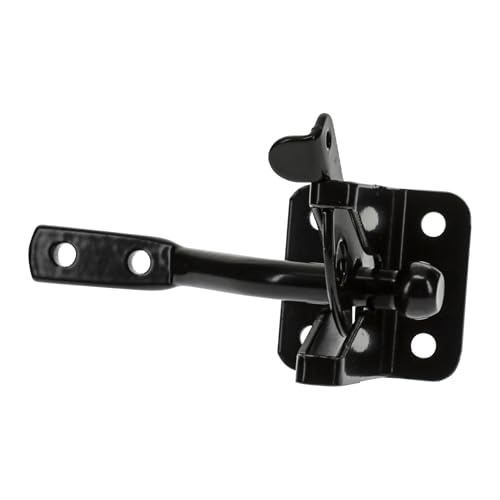 National Hardware N184-861Best overall
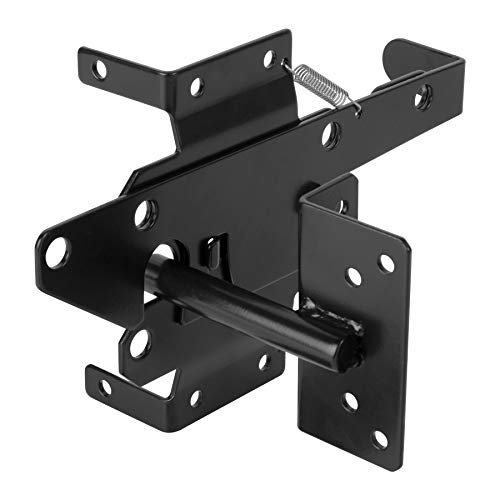 HILLMASTER 001112 screws, both swings
 HTHOOOOOME N-Gate Latch-1Wood to iron gates
Work out what is actually wrong
A latch that sticks and a latch that rattles can have the same root cause: the gate has moved. Posts shift, wood swells, hinges sag and screws work loose. The latch often gets blamed when it is only the first part to show the problem.
Before you pick up a screwdriver, open and close the gate a few times and watch the latch closely. Look for these signs:
- The latch bar hits the catch (the strike) above, below or beside it, which points to misalignment.
- The gate swings freely but the latch body wobbles, which points to loose or stripped screws.
- The latch moves stiffly or drags, which points to rust, dirt or a bent part.
- The gate drops at the latch end when you let go, which points to sagging hinges rather than a latch fault.
- The latch closes but pops open in wind, which points to a worn catch or too much gap between gate and post.
Gather tools and stay safe
You will need a screwdriver or drill/driver, a wire brush, a rag, a small level, a pencil and a few spare screws that are slightly longer or thicker than the originals. A silicone or dry lubricant works better outdoors than heavy grease, which collects grit.
Wear safety glasses when you drill, drive screws or brush rust, since metal flecks and wood chips fly. Wear work gloves, because worn latches and cut screw ends can be sharp. If the latch sits high on a tall gate, use a stable step ladder on firm ground. Before drilling near a post, make sure nothing like a buried cable or a gas or water line could be in the way, and call your utility locator if you are unsure.
Fix a loose latch
Loose latches are the easiest repair. Wood swells and shrinks through the seasons, and the screw holes slowly enlarge until the screws no longer bite.
Work through these steps in order:
- Tighten every screw on both the latch and the catch. If they turn freely without tightening, the holes are stripped.
- For stripped holes in wood, remove the screw, push a few wooden toothpicks or a small dowel coated in wood glue into the hole, trim it flush and let it dry. Then drive the screw back in.
- If the wood is soft or split, move the latch a short distance and drill fresh pilot holes in solid wood. Use screws long enough to reach well into the post or rail.
- Check that the latch and catch are not bent. A bent latch will keep loosening, so straighten it gently or replace it.
- Test the gate ten or more times, then tighten once more. New seating often settles a little.
Fix a sticking latch
A sticking latch usually has one of three causes: dirt and rust, a gap that is too wide or narrow, or a gate that no longer hangs level.
Start with cleaning. Brush off rust and grit from the latch bar, the pivot and the catch, wipe it down and add a small amount of lubricant to the pivot. Wipe away the excess so it does not attract dust. For gravity latches, check that the lever swings freely and drops back under its own weight.
Next, check alignment. Close the gate and hold it in its normal closed position. The latch bar should drop or slide into the catch without lifting, pushing or pulling. If it sits too high or too low, loosen the catch screws, shift it, mark the new position with a pencil and re-fasten it. Slotted holes make this easier.
If the whole gate sags, adjust the hinges first. Tighten hinge screws, or add a diagonal brace or a gate anti-sag kit. Moving the latch will only hide a sagging gate for a short time.
Extra tips for metal gate latches
Metal latches and metal gates add a few wrinkles. Metal does not swell like wood, but it rusts, bends and can be harder to fasten to. Many gravity latches are sold with a coating to resist corrosion, such as the black powder coat and zinc plating listed for the HILLMASTER 0011. Once that coating chips, bare steel is exposed, so touch up scratches with rust-resistant paint.
If you are fastening a latch to an aluminum or metal gate, use hard screws. The HILLMASTER listing says to replace the supplied screws with professional hard screws for metal gates, and the same sensible advice applies to most metal installs. Drill a pilot hole that matches the screw size and use a metal-rated bit.
Here is a quick reference:
| Problem | Likely cause | Fix |
|---|---|---|
| Latch wobbles on a wood gate | Stripped screw holes | Fill holes with glue and dowel or toothpicks, or re-drill nearby |
| Latch wobbles on a metal gate | Soft or wrong screws | Swap in hard screws and use a pilot hole |
| Bar will not enter the catch | Misalignment or sagging gate | Reposition the catch, then check hinges |
| Lever drags or stalls | Rust or dirt | Brush clean and lubricate the pivot |
| Gate opens by itself | Worn catch or wide gap | Replace the catch or move the latch closer |
| Latch will not release | Bent bar or seized pivot | Straighten gently or replace the latch |
Safety notes for pools, pets and kids
If the gate guards a pool, a play area or a dog run, treat any latch fault as a priority. A latch that is loose or does not close every time defeats the purpose of the fence. Pool gates often have local code requirements, so check yours before choosing or moving hardware.
Do not rely on a padlock alone to hold a gate that does not latch properly. A padlock adds security, but it works best on top of a latch that already closes by itself. Also keep hands clear of the gap between the latch and the post while testing, since gates can swing back and pinch.
When to replace instead of repair
Repair works when the latch itself is sound. Replace it when the bar is bent, the pivot is worn through, rust has eaten into the metal, or the catch has cracked. A new latch is also worth it if you keep tightening the same screws every few weeks.
When you shop, match the swing direction first. Our best gate latch page shows that the National Hardware N184-861 is listed for outswing gates only, while the HILLMASTER 0011 lists both inward and outward swing and comes with 12 mounting screws. For gates that get daily use, our best heavy duty gate latch page compares sturdier options.
If a pet or child is the reason you keep fixing the latch, see our best gate latch for dogs page. And if people need to open the gate from either side, the best gate latch to open from both sides page covers that case. Always check the listed screw count and gate material before you order.
Frequently asked questions
What lubricant should I use on a gate latch?
Use a silicone spray or dry lubricant on the pivot and moving parts. Thick grease tends to collect dirt and can make the latch stick again.
Can I reuse the old screw holes?
Only if the screws bite firmly. If they spin freely, fill the holes with glue and wooden dowel or toothpicks, or drill new pilot holes in solid wood nearby.
Why does my latch work in the morning but stick in the afternoon?
Heat and moisture can make wood expand and shift, which changes the gap between the latch and the catch. Adjust the catch so the latch has a little room, and check the hinges for sag.
Is it safe to drill into a metal gate myself?
Yes, with the right bit, a pilot hole, and safety glasses. Clamp or brace the gate so it does not move, and file down any sharp burrs afterward.