How to Disassemble a Door Knob for Cleaning or Repair
Most door knobs come apart in a few minutes with a screwdriver. Look for screws on the inside knob or rose, and if you see none, look for a small slot or hole on the knob neck and release a hidden catch with a thin tool. Once the knob and plates are off, you can clean the latch, tighten loose parts and reassemble in reverse order.
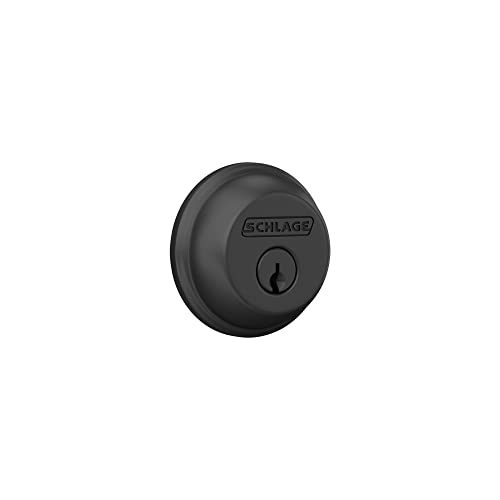 SCHLAGE B60N622Best overall
 BESTTEN DK1-ET-SNTop cycle rating, keyed knob
 BESTTEN DE1-ET-BKKeyed alike knob and deadbolt
Before you start
Take a minute to set up. A knob has a few small parts, and a spring or two can pop loose when the latch is released. Work over a towel or a tray so nothing rolls away.
Decide which side is the inside. On a keyed exterior knob, the side with the key cylinder faces out and the screws or release slot are almost always on the inside. On a bedroom or bathroom privacy knob, the push button or turn button side is the inside.
- Phillips and flathead screwdrivers
- A small hex (Allen) key, in case there is a set screw
- A thin pick, small flathead or straightened paper clip for hidden release slots
- A soft cloth, mild dish soap and a small brush
- A dry lubricant made for locks
- Safety glasses, because springs and clips can launch when released
Safety and lockout tips
Do not take apart the only lock on an exterior door unless you can finish the job the same day. An open latch hole means the door is not secured. If the job might run long, plan to be home and keep the old parts together so you can put the lock back before you leave.
Keep a spare key and a way to reach the other side of the door. Prop the door open while you work, and make sure a latch cannot slam shut and trap a part in the frame. If the knob is part of an electronic or smart lock, remove the batteries first and follow the maker's instructions instead of this guide.
Disassembling a knob with visible screws
This is the simplest case. You can see one or two screws on the inside rose, which is the round plate against the door, or on the knob itself.
Follow these steps in order.
- Hold the outside knob with one hand so it does not fall when the screws come out.
- Remove the screws on the inside rose with a Phillips screwdriver. Turn counterclockwise.
- Pull the inside knob and rose straight off the spindle, which is the square metal bar in the middle.
- Pull the outside knob and spindle out from the other side of the door.
- Remove the two screws on the latch plate at the door edge, then slide the latch out of the hole.
- Remove the strike plate from the door frame if you want to clean or adjust it.
Disassembling a knob with no visible screws
Many knobs hide their fasteners. Cover plates look like one smooth piece, but they usually come off in one of two ways.
First, check the rose for a thin slot or small notch. Slip a flathead screwdriver into the slot and pry the cover plate gently toward you. It should pop off and reveal the screws underneath. Take care not to scratch the finish.
Second, look on the neck of the knob, just in front of the rose, for a tiny hole or a small set screw. A set screw takes a small hex key or flathead. Back it out a few turns, and the knob should slide off the spindle. If you see only a tiny hole, push a pick or paper clip into it and press the spring catch inside while you pull the knob straight off. Once the knob is off, the rose usually slides off or unscrews, and the mounting screws are then in plain view.
Some budget knobs also ship with machine screws already threaded into the handle for shipping. A BESTTEN listing, for example, tells buyers to remove those preinstalled screws before installation. If a knob looks screwless, check the whole handle for loose or extra screws before you pull hard.
Which release method do you have?
Use this quick guide to match what you see with what to do.
| What you see | What it usually means | What to try |
|---|---|---|
| Two screws on the inside rose | Exposed mounting screws | Unscrew with a Phillips driver and pull off |
| Smooth rose with a thin slot | Snap-on cover plate | Pry gently with a flathead to reveal the screws |
| Tiny hole on knob neck | Spring catch or detent | Press with a pick and pull the knob off |
| Small set screw on knob neck | Set screw holds the knob | Loosen with a hex key and slide the knob off |
| Knob spins freely but will not release | Worn catch or loose set screw | Check for a hidden slot, then try the steps above |
Cleaning and simple repairs
With everything on the bench, wipe the knob, rose and latch with a soft cloth and warm, mildly soapy water. Use a small brush on the latch and spindle hole. Dry every piece fully before you reassemble. Avoid harsh cleaners on finished metal, since they can strip the coating.
Check for the usual causes of trouble. A knob that spins loosely often has a loose set screw or worn spindle. A sticky latch usually just needs cleaning and a little lubricant. A latch that does not retract fully may be bent or gummed up. If the key sticks, spray a small amount of dry lock lubricant into the keyway rather than heavy oil, which can attract dirt.
Do not take apart the key cylinder itself unless you know how to rekey a lock. Many cylinders are made to stay sealed, and some are not rekeyable. The BESTTEN knob on our spec sheet, for instance, is listed as not rekeyable.
Putting it back together
Reassemble in the reverse order. Slide the latch into the door edge with the beveled side facing the direction the door closes, then fasten its plate. Insert the spindle through the latch, fit the outside knob, and add the inside rose and knob. Start all screws by hand so you do not cross the threads, then tighten them evenly.
Before you close the door, test the knob. Turn it from both sides, check that the latch fully retracts and springs back, and try the key if it has one. Then close the door and confirm the latch lines up with the strike plate.
When to replace instead of repair
Sometimes cleaning is not enough. A knob with a stripped spindle, a cracked cylinder or a latch that keeps failing is usually better replaced. If you are replacing a lock on an entry door, measure first. Door thickness and backset have to match, and our best door knob page explains how to measure both. Most knobs there fit doors 1.375 to 1.75 inches thick with a backset of 2.375 or 2.75 inches.
If you are choosing between models, security grade and keyed alike options matter more than looks on a front door. You can see those points side by side on our door knob comparison, including which products list a Grade 1 rating and which leave it blank.
Frequently asked questions
What if the knob will not come off even after I remove the screws?
Check for a set screw or a hidden spring catch on the neck of the knob. Also make sure you removed the screws from the correct side. Do not pry hard on the knob, because you can bend the spindle.
Do I need to take the door off its hinges?
No. A knob and latch come out through the door edge and the bore holes, so the door can stay hung. Prop it open so it does not swing shut while you work.
Can I clean a knob without fully taking it apart?
You can wipe the outside and put a little dry lubricant in the latch and keyway. For grime inside the mechanism, you need to remove the knob and latch.
How do I remember where each part goes?
Lay the parts out in the order you removed them, or take a phone photo at each step. Keep the inside and outside screws separate, since they may differ in length.
Is it safe to take apart a deadbolt the same way?
Deadbolts usually have two screws that join the inside thumbturn to the outside cylinder. Remove the thumbturn assembly, then pull the cylinder from the other side. Do this only when you can finish before leaving the door unsecured.