How to Connect a Pressure Washer to a Water Tap
Screw a garden hose onto your outdoor tap, attach the other end to the washer's water inlet, and hand-tighten both fittings. Open the tap fully, squeeze the trigger until water flows steadily with no sputtering, and only then turn on the power. Never run the pump dry.
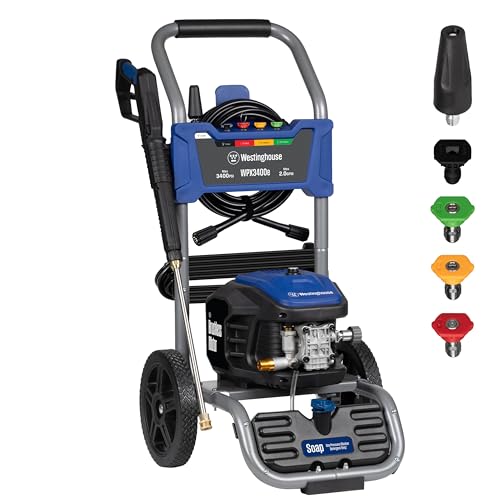 Westinghouse WPX3400eHighest rated PSI
 Westinghouse ePX3500Light with full accessories
 Imdot JX12Top max flow, light body
What you need before you start
Most home pressure washers connect to a standard outdoor spigot through an ordinary garden hose. You do not need special plumbing. You need a few basic parts and a little patience to get a leak-free seal.
Gather these items first:
- A garden hose long enough to reach from the tap to the washer, in good shape with no kinks or cracks
- The pressure washer's high-pressure hose, spray gun, wand and a nozzle
- The inlet filter or screen that comes with most washers, usually sitting inside the water inlet
- Washers with rubber washers inside the hose ends, which keep the threads from leaking
- Plumber's tape only if a metal thread weeps after you tighten it by hand
Step-by-step: tap to washer
The order matters. Water goes in first, then the high-pressure hose and wand go on, and power comes last. That sequence protects the pump.
Follow these steps:
- Place the washer on a flat, stable surface close to the tap, and keep the power cord unplugged for now.
- Look inside the washer's water inlet. Make sure the filter screen is in place and clean.
- Screw the garden hose onto the tap by hand until snug. Then connect its other end to the washer's water inlet and hand-tighten.
- Attach the high-pressure hose to the washer outlet and to the spray gun. Add the wand and a nozzle. Most washers use quick-connect nozzles that click in place.
- Open the tap fully. A half-open tap can starve the pump.
- Squeeze the trigger with the washer still off until water flows in a steady stream. This pushes trapped air out of the hoses.
- Plug the cord into a GFCI-protected outlet, switch the washer on, and begin cleaning at a distance from the surface.
Why you should purge air first
Air trapped in the hoses is the most common reason a new washer seems weak or surges. Some makers say so directly. One listing in our data tells owners to empty the air from the hose before use, or the pressure will not reach the standard.
Running the pump with no water can overheat and damage it. So always let water flow from the gun for a few seconds before you start the motor. Do the same any time you swap hoses or let the machine sit with the tap closed.
Check that your tap can keep up
A pressure washer pulls a lot of water. If the tap or hose cannot deliver it, the pump runs short and may cavitate, which sounds rough and shortens its life. The spec to compare is GPM, or gallons per minute. Higher flow also rinses large areas faster, as we explain on our best power washer for home use page.
Published flow numbers vary. The Westinghouse WPX3400e lists 2 max GPM and 1.1 rated GPM. The Westinghouse ePX3500 lists 1.76 max GPM and 1.2 rated GPM. The Imdot JX12 lists 4 max GPM, with no rated flow given. Compare rated flow where a maker gives it, because max flow is a ceiling.
A simple home check: time how long your tap takes to fill a 5 gallon bucket with the hose attached. Divide 5 by the minutes to get your supply in gallons per minute. If it comes in below the washer's flow, expect weaker results. A shorter, wider hose and a fully open tap help.
| Connection part | What it does | Common problem |
|---|---|---|
| Garden hose | Carries water from the tap to the washer inlet | Kinks or narrow bore limit flow |
| Inlet filter screen | Catches grit before it reaches the pump | Clogs and starves the pump |
| Rubber washer in fitting | Seals the threaded joint | Missing or worn, so it leaks |
| High-pressure hose | Carries pressurized water to the gun | Kinks, or air stays trapped inside |
| Quick-connect nozzle | Sets the spray pattern | Not fully clicked in, so it pops out |
Hoses, fittings and nozzles
The garden hose feeds the washer, but the high-pressure hose is a separate part. Reach matters there. The Imdot JX12 lists a 33 ft hose, while the Westinghouse models list 25 ft. If you want to compare lengths and build, see our best pressure washer hose guide.
Nozzles do not change how you connect to the tap, but they change how the washer feels when you pull the trigger. A 0 degree tip is a tight, harsh jet. A wider tip spreads the force out. Our best pressure washer nozzle page covers the options.
Some washers use M22 fittings for accessories such as surface cleaners and foam cannons. That fitting is on the high-pressure side, not the tap side.
Safety notes
Water and electricity share the work area, so a few habits matter.
Plug into a GFCI outlet, or use a washer with a GFCI plug. Keep plugs and extension cord connections off wet ground. Never point the jet at people, pets, outlets or yourself, because pressurized water can cut skin. Wear eye protection to guard against flying grit, and closed-toe shoes. Gas models are loud, so use hearing protection with them. Use a stable base on ladders and avoid spraying overhead while on one.
Troubleshooting common problems
If the washer surges, sputters or stays weak, check the simple things first: the tap is fully open, the garden hose is not kinked, and the inlet screen is clean. Then purge the air again with the motor off.
If water drips at a joint, turn off the tap, release pressure by squeezing the trigger, and check for a missing rubber washer. Retighten by hand. If the problem is a gap between the hose and washer, replace the worn washer instead of using tools to overtighten.
When you finish, shut the tap, squeeze the trigger to release trapped pressure, then disconnect the hoses. In cold weather, drain the pump and hoses so no water freezes inside.
Frequently asked questions
Do I need a special hose to connect to the tap?
No. A standard garden hose in good condition works for the supply side. The separate high-pressure hose that comes with the washer carries pressurized water to the gun.
Should I turn the washer on before the water?
No. Open the tap and squeeze the trigger until water flows steadily, then switch on the power. Running the pump dry can damage it.
Can I use a hose splitter or a long hose?
You can, but keep the run short and the hose wide where possible. A long or kinked supply hose cuts flow, and low flow can strain the pump.
Why does water leak where the garden hose meets the washer?
Usually the rubber washer inside the fitting is missing, worn or crooked. Replace it, thread the fitting on straight, and tighten by hand.