How to Clean, Oil and Grease Hedge Trimmer Blades
Disconnect the power, brush off clippings, wipe away sap with a resin cleaner or soapy water, dry the blades, then apply a thin film of light machine oil or blade lubricant along both blades. Grease is only for a gearbox that has a grease port, so check your manual before adding any. Doing this after every job keeps blades cutting cleanly and stops rust.
 EGO Power+ HT2601Best overall
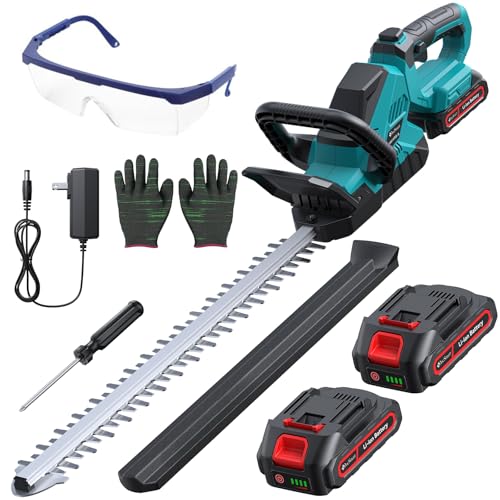 DocSmart HT02-BLongest listed runtime
 BLACK+DECKER BEHT150Corded and lightweight
What you need before you start
The job takes a few basic supplies, and most of them are probably in your garage already. Gather them first so the blades are not sitting dirty while you hunt for a rag.
Use a light oil made for cutting tools. Blade lubricant, light machine oil or a lubricant spray sold for hedge trimmers all work. Your manual is the final word on what the manufacturer recommends.
- Work gloves and safety glasses
- A stiff brush, such as a dry paintbrush or a soft wire brush for stuck-on debris
- Clean rags or microfiber cloths
- Warm water and a little dish soap
- A resin or sap solvent made for garden tools
- Light machine oil, blade lubricant or spray lubricant
- Gearbox grease, only if your manual calls for it
Safety first
Hedge trimmer blades are sharp even when they are not moving. Always remove the power before you touch them. For a corded trimmer, unplug it from the outlet. For a cordless trimmer, take the battery out of the tool and set it aside.
Wear gloves and eye protection. Cleaning sprays and solvents can splash, and a flick of a blade tip can cut quickly. Work on a stable surface, with the blades pointed away from you. If your trimmer has a blade cover, keep it on while you are not working on the blades.
Never spray water or soaking liquids into the motor housing, battery slot or vents. Electric tools and moisture do not mix. Clean the blades and wipe the body with a damp cloth only.
How to clean hedge trimmer blades
Clean the blades every time you finish trimming. Fresh sap and clippings wipe off easily. Once they dry and harden, they gum up the blades and slow the cut.
Here is a simple routine that works for most corded and cordless models:
- Remove power: unplug the cord or take out the battery.
- Brush off loose clippings and dust from the blades, the guard and the vents.
- Wipe both sides of the blades with a rag to pick up dirt and old oil.
- For sticky sap or resin, apply a resin solvent to a rag and wipe the blades until the residue lifts. Dish soap in warm water on a cloth also works for lighter grime.
- Wipe the blades again with a clean, damp cloth to remove cleaner residue.
- Dry the blades fully with a dry rag before you oil them.
How to oil hedge trimmer blades
Oil does two jobs. It reduces friction between the two moving blades, and it protects bare steel from rust. A thin, even film is enough. Too much oil drips and collects dust and clippings, which defeats the purpose.
Lay the trimmer on a flat surface with the power still removed. Apply a few drops or a light spray along the length of the top blade, then along the cutting edges. Wipe away any extra with a rag. If you can, slide the blades slightly by hand (only if your manual says this is safe) so the oil spreads between them.
Some listings mention lubricating after use. For example, the DocSmart HT02-B listing says to lubricate with liquid oil after use, and notes the blade comes with oil pre-coated. That fits the general rule: oil after you clean, and again before storage.
A good habit is to put a few drops on the blades before a long session, too. If the blades feel dry or look dull and dusty, add a little more.
How to grease a hedge trimmer
Grease is a different job from oil. Oil goes on the blades. Grease goes inside the gearbox, which turns the motor's spin into the blade's back-and-forth motion. Many electric hedge trimmers use sealed gearboxes that need no regular greasing, so do not open one unless your manual tells you to.
If your model has a grease port or a serviceable gearbox, the manual will name the grease type and how often to add it. The EGO HT2601 listing, for instance, describes a fully serviceable gearbox for blade sharpening, so that is a model where the manual is worth reading closely. Use only the grease type the manufacturer specifies, and add a small amount at a time.
If the gearbox is sealed or you are unsure, leave it alone and take the tool to a service center. Forcing open a sealed gearbox can damage it and may affect your warranty.
How often to clean, oil and grease
Use the schedule below as a general guide. Heavy use, sappy evergreens and damp weather mean you should clean and oil more often.
These steps are general maintenance habits, not manufacturer rules, so your manual comes first.
| Task | What to use | When |
|---|---|---|
| Brush and wipe blades | Brush and dry rag | After every use |
| Remove sap or resin | Resin solvent or soapy water | When blades feel sticky or drag |
| Oil blades | Light machine oil or blade lubricant | After cleaning, and before long sessions |
| Grease gearbox | Grease named in your manual | Only if your model has a grease port, as the manual directs |
| Check blade edges | Visual check, gloves on | Each season, or when cuts look torn |
Storing blades and knowing when to replace them
After oiling, put the blade cover on and store the trimmer somewhere dry. Hang it up or lay it flat away from damp floors. For cordless models, store the battery separately at room temperature, following your battery manual.
Cleaning and oiling keep good blades working, but they do not fix damaged ones. If branches tear instead of cutting, or blades are bent or chipped, sharpen or replace them. Some models have serviceable parts for sharpening, while others need a service center.
If your current trimmer is hard to maintain or is struggling with your hedge, our best hedge trimmer page compares blade length, branch capacity and weight side by side. It is also worth reading the hedge trimmer comparison for warranty details, since a longer warranty can matter for upkeep and repairs.
Frequently asked questions
Can I use WD-40 on hedge trimmer blades?
Many people use it to dissolve sap, and it can help with cleanup. Follow it with a proper blade oil or lubricant, because a cleaning spray is not a long-term protective film.
Can I use cooking oil instead of machine oil?
It is better to use a lubricant made for tools. Cooking oil can turn gummy and attract dust over time, which can make the blades sticky.
Should I take the blades off to clean them?
Usually not. Most routine cleaning is done with the blades attached. Remove them only if your manual describes how and you need to sharpen or replace them.
Do cordless and corded trimmers need different care?
The blade care is the same. The difference is the power step: unplug a corded model, or remove the battery from a cordless one, before you start.