How to Clean Kitchen Cabinets Without Damaging Them
Use a soft cloth, warm water and a few drops of mild dish soap, then rinse with a damp cloth and dry right away. Work in small sections and skip abrasive pads, soaking and harsh chemicals. Painted, wood and laminate finishes all tolerate this gentle method best.
 Quicklock Cabinets QLRTABBest overall
 Quicklock Cabinets QLRTA-KSSMost cabinets in one set
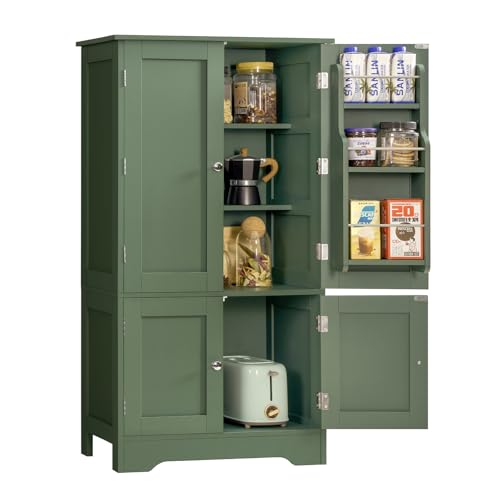 TEENFON Storage CabinetShallowest pantry storage
Start with the gentlest method
Most cabinet damage comes from cleaning too hard, not from dirt. Scrubbing pads wear through paint and clear coats, and too much water seeps into seams and swells the boxes. So begin with the mildest option and only step up if it fails.
Test any cleaner on a hidden spot first, such as the inside edge of a door or the back of a toe-kick. Wait a few minutes, wipe it off and check for dull patches, color transfer or tacky paint.
What you need
You do not need special products. A small kit covers nearly every kitchen.
- Two or three soft microfiber cloths, one for washing, one for rinsing, one for drying
- A bowl of warm water with a few drops of mild dish soap
- A soft toothbrush for grooves, corners and around hinges
- Baking soda and water for a paste, for stubborn spots only
- Rubber gloves if your skin is sensitive to soap
Step-by-step cleaning
Clear the counters below and lay a towel along the countertop edge so drips do not run onto the surface or the floor. Then work from the top of the kitchen down, so drips land on areas you have not cleaned yet.
- Dust first. Wipe doors, frames and the tops of wall cabinets with a dry microfiber cloth so dust does not turn into mud.
- Wring out a cloth in the soapy water until it is damp, not dripping. Wipe one door or drawer front at a time.
- Use the soft toothbrush on grooves, shaker-style inner edges and the area around handles.
- Wipe again with a second cloth dampened with plain water to remove soap film.
- Dry immediately with a clean cloth, following the wood grain where you can see it.
- Open the doors and wipe the edges and the inside of the frame, where grease mist often collects.
Match the method to the finish
Different finishes tolerate different things. When in doubt, choose the milder option and check the manufacturer's care notes if you have them.
If your cabinets are painted and the finish is wearing thin, a full refresh may be worth considering. Our best paint for kitchen cabinets comparison shows what to look for in a durable coating.
| Finish | Good choice | Avoid |
|---|---|---|
| Painted (white or color) | Damp cloth with mild soap, dry right away | Scouring pads, bleach, long soaking |
| Sealed or stained wood | Mild soap, damp cloth, dry along the grain | Oil soaps that leave residue, steam cleaners |
| Laminate or thermofoil | Mild soap, soft cloth | Abrasive powders, hot steam, which can lift edges |
| UV-coated interiors | Damp cloth and mild soap | Standing liquid in seams and corners |
Tackling grease and sticky spots
Grease builds up near the stove and on the handles you touch most. Mild dish soap is made to cut grease, so it is the right first tool. Let a damp, soapy cloth rest on the spot for about a minute, then wipe. Repeat rather than scrubbing harder.
For dried-on residue, make a thin paste of baking soda and water. Dab it on with a cloth, rub gently in small circles with no pressure, and rinse well. Baking soda is a mild abrasive, so skip it on glossy or painted finishes unless your hidden-spot test looks fine.
Safety note: never mix cleaning products, especially bleach with ammonia or vinegar, because the fumes can be dangerous. Open a window, and use a stable step stool rather than a chair to reach the top of wall cabinets.
Mistakes that damage cabinets
A few habits cause most of the harm. Avoiding them protects the finish and the box itself.
- Soaking the surface. Water that sits in seams can swell engineered wood and lift paint.
- Using steam cleaners, which can loosen joints and glue lines.
- Scrubbing with abrasive sponges, steel wool or powders.
- Leaving doors wet. Dry them every time, especially near the sink and dishwasher.
- Mixing cleaners or using bleach on painted and stained surfaces.
Which cabinets are easiest to keep clean
Smooth, sealed surfaces clean fastest. A flat or simple shaker door with a painted or coated finish wipes down easily, while heavily carved doors hold dust and grease in their detail.
Materials matter too. Hardwood and plywood boxes handle moisture better than engineered wood or MDF, which makes them more forgiving when you wipe near a sink or dishwasher. Some products on our spec sheets add a UV-coated interior. For example, the Quicklock 9 in hardwood base lists a water-resistant UV-coated interior and says it makes cleaning easy, and the Furinno 15 in drawer base lists a UV-coated plywood interior. The TEENFON pantry is engineered wood (MDF), so keep it dry and wipe it with a barely damp cloth.
If you are choosing new boxes, compare materials and interiors on our best kitchen cabinet page. Hardware also affects cleaning. Simple handles with few crevices are quicker to wipe, and our best hardware for white kitchen cabinets page can help you pick styles that are easy to keep spotless.
Keep them clean longer
A quick wipe of handles and the areas around the stove once a week prevents heavy buildup. Run the range hood when you cook, and wipe up splashes before they dry. Check the seals around the sink and dishwasher now and then, since slow leaks harm cabinets more than any cleaning mistake.
Do a full wash every few months, or whenever the finish starts to feel tacky. Regular light cleaning is far safer for the finish than an occasional hard scrub.
Frequently asked questions
Can I use vinegar on kitchen cabinets?
Diluted vinegar can work on some sealed finishes, but it may dull or harm others. Test a hidden spot first, rinse with plain water and dry well. Mild soap is the safer default.
How often should I clean cabinets?
Wipe handles and the cabinets near the stove weekly, and do a full wash every few months. Clean up splashes as they happen.
Is it safe to use a magic eraser?
Usually not. Melamine sponges act like very fine sandpaper and can dull painted, glossy or coated finishes. Use a soft cloth instead.
Should I clean inside the cabinets too?
Yes, occasionally. Empty the shelves, wipe with a damp cloth and mild soap, then leave the doors open until everything is dry.