How to Clean and Maintain an Electric Chainsaw
Disconnect the power first by removing the battery or unplugging the cord. Then brush off sawdust, clean the bar and oil outlet, check chain tension, refill the oil, and store the saw dry. Most small problems, like a loose or dull chain, are simple to fix at home. Motor, switch, and battery faults are best left to the maker's service team.
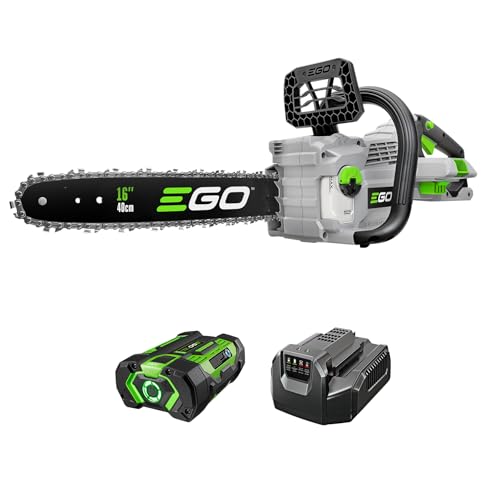 EGO Power+ CS1611Best overall
 Seesii M16 AcePower plus two batteries
 Seesii M8 BoostLightest in the lineup
Start with safety
An electric chainsaw can start the moment the trigger is touched, so cleaning and repair begin with removing power. For a cordless saw, take out the battery and set it well away from the work area. For a corded saw, unplug it and keep the plug where you can see it.
Chains are sharp even when they are not moving, and old sawdust hides the teeth. Treat the saw as live until the power source is out.
- Remove the battery or unplug the cord before any cleaning, adjusting, or repair.
- Wear cut-resistant gloves when handling the chain, and safety glasses when using compressed air or solvents.
- Let the saw cool if you just used it, since the bar and chain can stay hot.
- Work on a stable bench, with the chain brake engaged unless you are removing the cover.
- Never use a damaged cord or a swollen or cracked battery.
Clean the saw after each use
A quick wipe-down takes a few minutes and prevents most buildup. Sawdust, sap, and oil mix into a sticky paste that clogs vents and oil passages.
Use a soft brush or paintbrush to clear shavings from the body, the vents, and the area around the chain brake. A short burst of compressed air helps in tight spots, but keep your eyes protected. Wipe the housing with a slightly damp cloth, then dry it.
Do not spray the saw with a hose or soak it in water. Some models list weather-resistant construction, such as the EGO CS1611 with its IPX4 rating, but that means it resists splashes while in use. It does not mean the saw is meant to be washed. Keep water away from the motor, switch, and battery contacts.
Deep clean the bar, chain, and oil outlet
Every so often, or whenever the saw is cutting poorly or smoking, remove the side cover, chain, and guide bar. Check your manual for the exact steps, because covers and tensioners differ. Models with tool-free tensioning, which our best electric chainsaw page lists for several saws, let you loosen the cover with a knob instead of a wrench.
Once the parts are off, work through this order:
- Brush debris from the sprocket area and the inside of the cover.
- Scrape the groove along the edge of the guide bar with a thin tool, such as a small screwdriver or a bar groove cleaner.
- Clear the oil outlet on the saw body and the matching oil hole on the bar. A blocked hole starves the chain of oil.
- Wipe sap off the chain with a rag, using resin solvent if needed, then dry it.
- Check the bar for burrs along the rails and flip it over to even out wear before refitting.
Oil, tension, and sharpness
Oil and tension do more for chain life than almost anything else. A dry chain heats up, stretches, and dulls fast. Use bar and chain oil, not motor oil or kitchen oil, and top up the tank before each session.
Many electric saws have an automatic oiler, which our comparison data lists as a feature for most of the models. It still needs a full tank and a clear outlet. Some saws make this easy to check. The SEESII M8 Boost has a semi-transparent reservoir, and the Greenworks 20312 has a flip-up cap with a transparent window. The SEESII M16 Ace lists a 150 ml reservoir.
For tension, the chain should sit snug against the bar but still pull around by hand. Check it with the power removed and the saw cool, since chains loosen as they warm up. Re-check after the first few minutes of a new chain.
For sharpness, look at the shavings. Fine chips and a saw that pulls itself into the wood mean a sharp chain. Dust and a saw you must push mean a dull one. You can sharpen with a round file and file guide that match your chain, or have it sharpened at a shop. The Oregon CS1500 lists a built-in PowerSharp self-sharpening system, which suits that model only. Do not assume other chains can use it.
Care for the battery or cord
Cordless saws need a little electrical care too. Keep the battery contacts and the saw terminals clean and dry, and wipe them with a dry cloth or soft brush if you see dust. Clear the air inlet so the motor and battery can cool.
Store batteries indoors, away from extreme heat or cold, and charge only with the charger made for that battery. Platforms are not interchangeable. For example, the SEESII M16 Ace listing notes its batteries and chargers fit 40V tools only, not 20V. If you plan to add or swap batteries, check the voltage first. Our electric chainsaw comparison shows battery energy, from 80 Wh to 200 Wh in our data, so you can see how much capacity each saw carries.
For corded saws, inspect the whole cord for cuts, crushed spots, and bent plug pins before each use. Use an outdoor-rated extension cord of the right gauge, and keep connections off wet ground. Replace a damaged cord instead of taping it.
Common problems and simple fixes
Many faults trace back to dirt, oil, or tension. Use this table to sort out what you can handle yourself. Power must be disconnected for every step.
| Problem | Likely cause | What to try |
|---|---|---|
| Chain smokes or burns the wood | Dull chain or low oil | Refill the oil, clear the oil outlet, sharpen or replace the chain |
| Chain comes off or sags | Loose tension or worn bar | Re-tension the chain, check the bar rails and replace worn parts |
| Cuts curve to one side | Uneven chain teeth or bent bar | Sharpen evenly, flip the bar, replace it if damaged |
| Oil leaks when stored | Overfilled tank or worn seal | Do not overfill, store the saw with the bar level, replace seals if they are worn |
| Saw will not start | Battery not seated, brake engaged, or cord fault | Reseat the battery, release the brake, check the outlet and cord |
| Short runtime | Dirty contacts, cold battery, or aging cells | Clean contacts, warm the battery to room temperature, contact the maker if it persists |
When to repair and when to replace
Replacing a chain, bar, oil cap, or cord at home is reasonable if you follow the manual. Internal repairs are different. Do not open the motor housing, bypass the chain brake, or try to repair a damaged battery. Those parts protect you from shock, fire, and kickback.
Check your warranty before you start. Our data lists terms from 2 to 5 years for the models that report one, such as the 5-year warranty on the EGO CS1611. Opening the saw or using parts that are not approved could affect that coverage, so contact the maker first.
If the saw needs repairs often, or parts are hard to find, it may be time to look at a new one. Compare weight, bar length, and upkeep features such as the chain brake and oiler on our best electric chainsaw page before you decide.
Frequently asked questions
How often should I clean my electric chainsaw?
Brush it off after every session, and do a deeper clean of the bar, oil outlet, and sprocket area whenever you see heavy sap or slow oil flow. Check the oil level before each use.
Can I use regular motor oil in the oiler?
Use bar and chain oil made for chainsaws. It is designed to cling to a moving chain. Check your manual for the type the maker recommends.
Should I take the battery off during storage?
Yes. Remove it from the saw and store it in a cool, dry place indoors. This also prevents accidental starts.
Why is my chain oil running out so fast?
A loose cap, a worn seal, or leaving the saw on its side can let oil drain. Some oil use is normal while cutting, since the chain is meant to stay lubricated.