How Much Heat Can a Welding Blanket Take?
It depends on the material. Most fiberglass welding blankets on our spec sheet list 1022°F, and one carbon felt model lists 3000°F. A blanket is better described as fire resistant than fireproof, because the rating is a working limit and not a promise that nothing can ever damage it.
 Matace FIREMAT060801Best overall
 XOHUYD XOHUYD892Highest heat rating
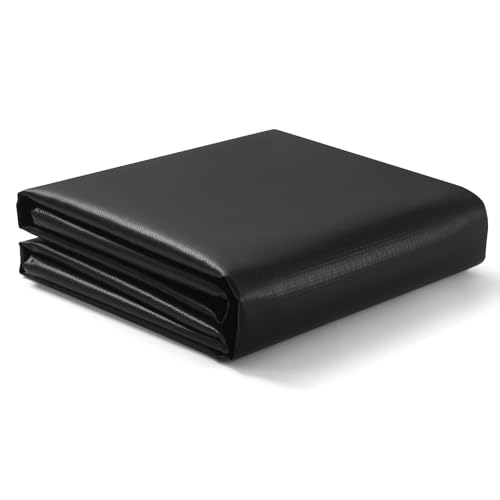 FIREWESS X0-PB5J-WGOYThickest silicone blanket
What the temperature rating tells you
A welding blanket's maximum temperature is the maker's stated working limit for the material. It is a published number, and it is not the same for every blanket. Two blankets that look alike can carry very different ratings, depending on what they are made of.
Heat also comes in different forms. A quick shower of sparks is not the same as a torch held on one spot, or a long soak of radiant heat from a hot workpiece. A rating helps you compare materials, but the way you use the blanket matters just as much.
If a listing gives no number, treat the limit as unknown. Our best welding blanket page does this with the Matace model, which does not publish a maximum temperature.
Heat ratings on the products we compare
We compare published specifications, so the figures below are what each maker lists. The two main materials sit at very different levels.
Fiberglass models on our page list 1022°F (550°C). The carbon felt XOHUYD model lists 3000°F, and its listing says it is certified to ASTM D6413 and UL94-V0. The Matace carbon felt blanket lists ASTM D6413 testing but no maximum temperature.
| Blanket | Material | Listed max temp | Thickness |
|---|---|---|---|
| XOHUYD 11x14 in, 2 pack | Carbon felt | 3000°F | 5 mm |
| FIREWESS 6x8 ft | Silicone-coated fiberglass | 1022°F | 20 mm |
| YESWELDER 4x6 ft, 2 pack | Silicone-coated fiberglass | 1022°F | 8 mm |
| kanhiro 6x8 ft, 2 pack | Fiberglass | 1022°F | 8 mm |
| Matace 6x8 ft | Carbon felt | Not published | 5 mm |
Are welding blankets fireproof?
Not in the strict sense. Fireproof suggests a material that nothing can harm, and no blanket meets that. Fire resistant is the more accurate term. It means the material resists ignition and slows the spread of flame within stated limits.
Marketing copy often says fireproof, flameproof or 100 percent flame retardant. Read those phrases as a hint, not a guarantee. A number plus a named standard says more than a slogan.
Are welding blankets flammable?
Quality welding blankets are made from materials that do not burn the way cloth or paper does. Fiberglass is glass, and carbon felt is mostly carbon. Neither is meant to catch fire from sparks.
Still, a few things can go wrong. A silicone coating or surface finish may smoke or degrade if it gets hotter than its rating. Oil, grease or sawdust that builds up on a blanket can burn even when the blanket itself does not. And a heavily worn blanket with holes no longer protects what is behind it.
Fiberglass has one more quirk. The kanhiro listing warns that fibers are on the surface and tells you to wear gloves. Two listings on our page give that advice. The XOHUYD listing says its carbon felt does not shed glass fibers.
How to stay within a blanket's limits
The rating is a ceiling, not a target. Giving yourself room is the safest habit. Here is a simple routine:
- Check the listed maximum temperature and compare it with your job. A soldering pad and a heavy grinding setup are not the same.
- Look for a named standard such as ASTM D6413 if the blanket protects people or finished surfaces.
- Hang blankets as curtains only if they are made for it. Grommets are there for that purpose, and the VEVOR listing on our page says it must be hung.
- Keep the blanket flat and tight against what you are protecting, so sparks cannot slip underneath.
- Fold fiberglass for extra thickness only if the maker says that is fine. The YESWELDER listing notes you can double it up.
- Replace a blanket that is torn, thinned, soaked in oil or stiff from heat damage.
Safety notes
A blanket does not make welding safe on its own. Clear flammable items from the work area first, and keep a suitable fire extinguisher within reach. Sparks can travel a long way and can sit in a corner or gap for a while before they start a fire.
Wear a welding helmet or proper eye protection, gloves and non-flammable clothing. Handle fiberglass with gloves, and avoid rubbing your eyes or skin after touching it. Work with good ventilation, since coatings, oils and paint on the work can give off fumes when heated.
Never drape a blanket over a fuel source, a gas cylinder or anything that must be able to vent. Let a blanket cool before you fold it, because a hot blanket can still burn skin. When welding at height, make sure sparks cannot fall through gaps to the floor below.
Which blanket fits your job
For light, close-up work such as soldering or brazing, a small carbon felt pad is a good match. The XOHUYD pads list the highest rating on our page, but each piece is only 14 x 11 in.
For shop work that needs coverage or a hanging shield, a larger fiberglass blanket with grommets makes more sense. Its 1022°F rating is enough for many general jobs, but check it against what you do.
If you want to see every option on one spec sheet, our best welding blanket comparison lists material, size, grommets and listed ratings together. It also shows which blankets list ASTM D6413, so you can choose by standard as well as by temperature.
Frequently asked questions
Does a thicker blanket handle more heat?
Not always. Thickness adds insulation and durability, but the maximum temperature depends on the material. Compare the listed rating first, then thickness.
Can I cut a welding blanket to size?
Some can be trimmed. The XOHUYD listing says its carbon felt can be tailored without fraying. Check the listing for your model before you cut, and note that cutting can expose loose fibers on fiberglass.
Can I use a welding blanket on a grill or fire pit?
Some listings mention grill, smoker or fire pit use. Make sure the temperature rating covers the heat involved, and follow the maker's guidance.
What does ASTM D6413 mean on a listing?
It points to a recognized flame-resistance test method. It shows the maker refers to a benchmark, which says more than the words fire retardant alone.