How Long Should You Leave Paint Remover on Wood?
Start checking after about 15 to 30 minutes, then scrape only when the paint has bubbled, wrinkled or turned soft. Most makers do not give one fixed time, because the right wait depends on the coating, the thickness and the product. A small test patch tells you more than any chart.
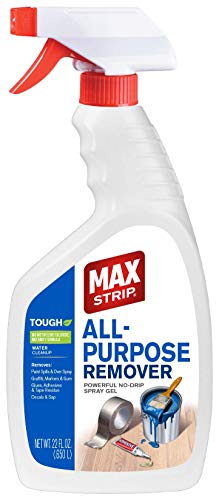 Max Strip ESA-522Drips, not refinishing
 Max Strip ESA-579Shellac and varnish removal
 Dumond 3332x2Largest container in the lineup
The short rule: let the finish tell you
There is no single number that fits every job. Paint remover works by softening the coating until it lifts from the wood. The sign that it is ready is what you see on the surface, not what the clock says.
A good starting plan is to apply the stripper, wait 15 to 30 minutes, and then test a small corner with a plastic scraper. If the paint slides off in a soft layer, keep going. If it still feels hard, wait and test again. Scraping too early is the usual way to gouge the grain, so patience helps.
The same logic applies to citrus gels such as Citristrip. We do not have published timing data for that product on our page, so follow the time printed on your container and treat it as a starting point for your own checks.
What published timing looks like
The makers on our comparison page list timing in different ways. Some give a first check time, some give a time to begin working, and some tell you to find your own time with a test patch. Here is what each listing says.
None of the listings promise a finish time. They tell you when to start looking, which fits how stripping really works.
| Product | What the listing says about timing |
|---|---|
| Max Strip Citrus Paint Stripper Gel (32 fl oz) | Check every 15 minutes until ready. Set times vary. |
| Max Strip All Purpose Paint Remover & Drip Cleaner (22 oz) | Check every 15 minutes until ready. Meant for spills and overspray, not furniture refinishing. |
| Sunnyside Multi-Strip Advanced (32 fl oz) | Begins working in 30 minutes. |
| Dumond Smart Strip Advanced (32 and 64 fl oz) | A test patch determines the dwell time. It must stay wet to work. |
| Smart Strip PRO (14 fl oz) | A test area determines the dwell time. |
What changes how long you wait
Several things can stretch or shorten the wait. Knowing them helps you read what you see on the wood.
The list below covers the common ones.
- Number of layers: a heavier coat of stripper is usually used when there are many layers of paint. Sunnyside, for example, says a light coat suits 1 to 4 layers and a heavier coat suits more.
- Type of coating: latex, oil paint, varnish and shellac do not soften at the same speed. Check that your product names your finish.
- Temperature and moisture: cool air slows the work, and warm air can dry the stripper too soon.
- Drying out: a water-based stripper like Dumond Smart Strip must stay wet to keep working. Its maker suggests covering it with laminated paper to prevent early drying.
- Thickness of the coat: a thin, uneven coat can stall in spots while others are ready.
How to test and strip step by step
Follow this order for the most predictable result. Doing a test patch first costs a few minutes and can save the whole piece.
- Pick a hidden spot, such as the back of a leg or the underside of a trim piece.
- Shake the product if the label says so. The Max Strip citrus gel, for example, must be shaken well before each use.
- Brush on an even coat in one direction. Avoid brushing back and forth.
- Set a timer for the first check, such as 15 minutes for the Max Strip products or 30 minutes for Sunnyside.
- Test with a plastic scraper. If the paint lifts cleanly, you have found your time. If not, wait and check again.
- Strip the rest of the piece in small sections you can scrape before the stripper dries.
- Clean the wood as the label directs before you sand, stain or repaint.
Signs you waited too little or too long
If you scrape too soon, the paint comes off in stubborn bits, or you feel the scraper catching the wood. Put a little more stripper on that area and wait longer.
If you wait too long, the stripper can dry into a crust. Dry stripper stops working and is harder to remove. If this happens, brush on a fresh coat to wet it again, then check after a short wait.
Some labels allow long dwell times, even overnight, especially with a cover to keep the stripper moist. Do this only if your label says it is fine. Leaving stripper on longer than the label allows can leave residue that is harder to clean off and may affect the new finish.
Safety notes
Even products free of methylene chloride and NMP, like every one on our page, still need care. Wear chemical-resistant gloves and eye protection, and keep skin covered. Ventilate the room well, even when the product lists a low, citrus odor.
If your house was built before 1978, the old paint may contain lead. Do not sand or scrape it dry. Check with a test kit or a qualified pro before you begin.
Follow the label for disposing of used scrapings and rags. Keep stripper away from children and pets, and do not work near open flames or sparks unless the label says it is safe.
Choosing a stripper that fits your timing
If you want a clear starting point, a listed time such as the one for Sunnyside helps you plan your day. If you prefer a water-based formula, Dumond asks for a test patch, so budget a little time for that step. Our best paint stripper for wood page lays out coatings, container sizes and timing notes side by side.
Also match the product to the job. The Max Strip spray gel is listed for spills and overspray and its maker says it is not for furniture refinishing, while the Max Strip citrus gel lists shellac, varnish and polyurethane. You can compare those details on our wood stripper comparison before you buy.
Frequently asked questions
Can I leave paint remover on wood overnight?
Only if the label says so. Some products allow long dwell times when kept moist, but others dry out and stop working. Check the label first, and test a small patch.
What should I do if the stripper dries before I scrape?
Brush on a fresh coat to wet the dried layer, wait a short time, and test again with a plastic scraper.
Do I need more than one coat of stripper?
Sometimes. Thick, layered paint may need a heavier coat or a second round. Check after the first pass and reapply only to the spots that remain.
Should I use a metal or plastic scraper on wood?
A plastic scraper is gentler on the grain. Save metal tools for stubborn spots and use light pressure.