How Long Should Light Bulbs Be On for Healthy Sleep?
There is no single number of hours that works for everyone. A good rule is to use bright light through the day, switch to warm, dim light for the last one to two hours before bed, and keep the bedroom dark while you sleep. Bulb color matters as much as timing, so a warm 2700K to 3000K bulb is a better evening choice than a 5000K daylight bulb.
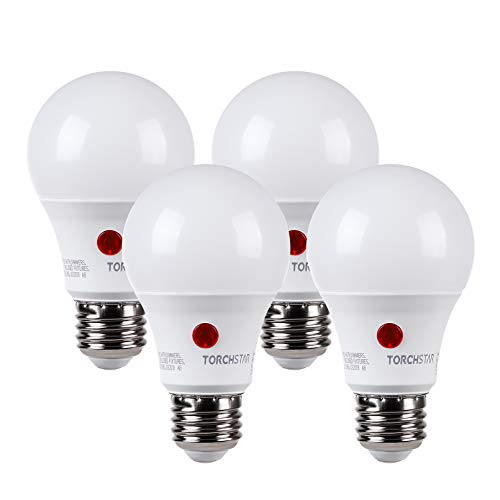 TORCHSTAR A-50408Top-ranked outdoor sensor bulb
 TJOY QASN83+85Best fit for eye comfort
 SETEN LED BULB 10WBrightest A19 in top ten
The short version: match light to the clock
Your body uses light as a signal for what time it is. Bright, cool light tells it to stay alert. Dim, warm light in the evening lets it wind down. So the question is less about how many hours a bulb stays on and more about which light is on at which hour.
A simple pattern works for most households. Keep rooms well lit while you are active during the day. In the last one to two hours before bed, lower the brightness and use warm bulbs. Once you are in bed, turn the lights off, or use a very dim warm light only if you need it for safety.
A simple daily schedule
Treat the schedule below as a starting point, not a medical rule. Adjust it to your own bedtime and how you feel.
If you wake up early or go to bed late, shift the whole pattern to match. The order matters more than the exact clock times.
| Time of day | Light approach | Why |
|---|---|---|
| Morning and daytime | Bright rooms, natural light when possible | Supports an alert, active day |
| Early evening | Normal indoor lighting, warm tone | Comfortable for dinner and chores |
| 1 to 2 hours before bed | Dim, warm light (2700K to 3000K), lamps instead of overheads | Less blue light as bedtime nears |
| Bedtime | Lights off, or a very dim warm night light | A dark room is easier to sleep in |
| Night trips to the bathroom | Low, warm, indirect light | Avoids waking yourself fully |
Why bulb color matters in the evening
Color temperature is measured in kelvin. Lower numbers look warmer and carry less blue light. On our best light bulbs for health page, we point to 2700K to 3000K as a good range for bedrooms and living rooms at night. A 5000K daylight bulb looks crisp and suits a garage or task area, but it is the coolest option in that group.
For example, the TJOY A19 8-pack is listed at 3000K with an 85 CRI and a flicker-free claim. It is also non-dimmable, so it suits a lamp you want to keep at one steady level. If you want to lower the light as bedtime approaches, look for a dimmable warm bulb and a compatible dimmer, or simply switch from the overhead fixture to a lamp.
What to do about dusk to dawn bulbs
Many bulbs near the top of our rankings are dusk to dawn sensor bulbs. They turn on when it gets dark and off when daylight returns, so they stay on all night by design. That is useful on a porch or driveway, but it is the opposite of what you want in a bedroom.
Most of these bulbs are also 5000K. For example, the TORCHSTAR A19 is listed at 5000K and its listing says it is for outdoor use only. The SETEN 10W bulb is also 5000K, and its listing says it can work indoors where automatic night lighting is needed. Even so, a cool, always-on bulb is a poor match for a sleeping area. Keep sensor bulbs outside, or in a hallway or stairwell that is not part of your sleep space. If you shop for outdoor lighting, our best light bulbs for outdoor fixtures page is the better place to start.
How long a bulb will last at these hours
Evening-only lighting is gentle on a bulb. Say you run a lamp about 4 hours each night. A bulb rated for 15,000 hours, like the TJOY A19 above, would take roughly 10 years to reach that rating. Rated life is a manufacturer figure, so real results can vary with heat, fixture type and power quality.
A dusk to dawn bulb is a different story. If it burns around 12 hours on a winter night, a 15,000-hour rating works out to a bit over 3 years, while a 25,000-hour rating, like the SETEN listing, comes to nearly 6 years. Summer nights are shorter, so the real span would be longer. Either way, these bulbs wear through their hours much faster than a bedside lamp.
Practical tips for better evenings
A few small changes usually do more than buying new bulbs. Try them in this order:
- Swap the brightest bulbs in your bedroom and living room for warm 2700K or 3000K bulbs.
- Use lamps in the last hour or two before bed instead of the ceiling light.
- Pick flicker-free bulbs where you can. Flicker you cannot see can still tire your eyes, and few makers publish a rating, so read the listing.
- Keep screens dim and at a distance in the evening, since they add their own blue light.
- Block or reduce outside light with curtains if streetlights shine into the bedroom.
- Check CRI if color accuracy matters. Only some listings state it, so a missing number means you cannot judge it.
Safety notes when changing bulbs
Switch the power off and let a bulb cool before you remove it. Use a stable ladder or step stool for ceiling fixtures, and do not stand on furniture. Never use a bulb above the wattage or size a fixture is rated for, and use only bulbs rated for the location, such as wet or damp rated ones for bathrooms and outdoors.
If you use a dusk to dawn bulb, do not cover its sensor, as the TORCHSTAR listing notes. If trouble sleeping continues even with good lighting habits, talk with a doctor. Lighting is one helpful factor, not a cure. For more options across the whole house, see our overall best light bulbs comparison.
Frequently asked questions
Should I sleep with a night light on?
Complete darkness is generally easier on sleep. If you need a light for safety, use a very dim, warm one placed low and away from your eyes, and keep it off the bed area.
Is 2700K or 3000K better for the evening?
Both are warm choices. 2700K looks a little cozier and 3000K looks slightly cleaner and brighter. Pick the one that feels comfortable in your room.
Do dimmable bulbs help with sleep?
They can, because you can lower the brightness as bedtime approaches. Check that the bulb and dimmer are compatible, since a mismatch is a common source of flicker.
Do I need to leave lights on for the whole evening?
No. Light only the areas you are using, and turn off the rest. Lower, warmer light in the last hour or two before bed is more useful than keeping every room lit.