How Long Does Ear Protection Last? Muffs, Plugs and When to Replace
Ear protection does not have one fixed lifespan. Earmuffs often stay useful for a few years with regular use, while foam earplugs are usually short-lived and should be replaced once they are dirty, worn or no longer sealing. The cushions, the headband tension and the seal matter more than the calendar, so replace anything that no longer fits snugly.
 Walker's GWP-RSEMBest overall
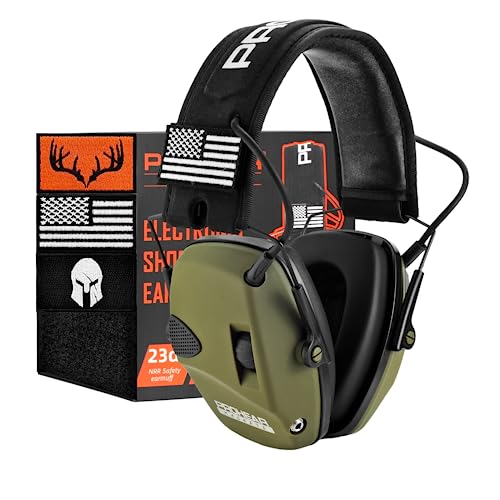 PROHEAR PROHEAR 066Light electronic, long battery
 Pro For Sho PAS-GYHigh NRR, low weight
The short version: it depends on wear, not age
Hearing protection works only while it seals against your head or ear canal. Once the seal weakens, the rating printed on the box stops being a good guide to what you actually get. That is why the real answer to "how long does it last" is "until it stops fitting and sealing properly."
Makers do not publish a single replacement date for most muffs, and the product listings we compare do not either. As a general rule of thumb, muffs used often tend to need new cushions or a full replacement after a few years, and muffs used a few times a season can last longer. Treat that as a rough guide and check the maker's manual for specific advice.
What wears out first on earmuffs
Most muffs fail in the same order. The cushions go first, then the headband, then (on electronic models) the electronics and battery door. The shells themselves usually outlast everything else.
Foam and gel cushions harden, flatten or crack as sweat, sunscreen, heat and sunlight work on them. A cracked or hardened cushion leaves small gaps, and even small gaps let noise in, especially low-frequency sound.
| Part | Typical sign of wear | What to do |
|---|---|---|
| Ear cushions | Cracks, flattening, hard or sticky surface | Replace cushions if the maker sells them, or replace the muffs |
| Headband | Loose, stretched or no longer clamping firmly | Readjust once, then replace if it still slips |
| Sliders or adjusters | Cups drift down or will not stay put | Replace if cleaning does not fix it |
| Foam liner inside cups | Crumbling, compressed or damp | Replace the liner or the muffs |
| Battery door and contacts (electronic) | Corrosion, loose door, crackling sound | Remove old batteries, clean contacts, replace if it persists |
Passive vs. electronic muffs
Passive muffs have no electronics, so there is less to fail. Decibel Defense describes its 37 dB NRR muffs as a passive design with no batteries or electronics to fail, and the Pro For Sho 34 dB model is also passive. For those, the cushions and headband are the parts to watch.
Electronic muffs add microphones, speakers and a battery compartment. The PROHEAR 066 lists 300 hours of battery life on 2 AAA batteries, an IPX4 water, sweat and dust resistance rating, and a 1 year warranty. The Walker's Razor Slim lists a rubberized coating meant to help protect the interior electronics, plus a battery door that opens from the outside, which makes it easier to check for corrosion.
If you are comparing models with lifespan in mind, our best ear protection page lists cushion material, headband type and battery details side by side so you can see what each maker publishes.
How long do earplugs last?
Earplugs follow different rules. Disposable foam plugs soak up oil and dirt from your ears and hands, and they lose their springy shape. Many are meant for one use or a few uses, so check the package. Reusable plugs made of silicone or similar materials can be washed and used longer, but they still stiffen, tear and lose their fit over time.
A simple test works for both types. If a plug is dirty, torn, hard, misshapen or slow to expand, replace it. Never share plugs, and do not use a plug that has been dropped on a dirty floor and cannot be cleaned.
Our comparison page covers earmuffs, so use the manufacturer's guidance for the specific earplug you own.
Signs it is time to replace your ear protection
You do not need a lab to spot a worn-out pair. Look and feel for these signs before each use:
- Cracks, tears or hard spots on the cushions
- Cushions that stay flat and do not spring back
- A headband that feels loose or no longer clamps firmly
- Cups that slide down on their own
- Noise that seems louder than it used to be in the same setting
- Visible damage to the shell, such as cracks or a loose seam
- Corrosion, a loose battery door or crackling sound on electronic models
- Earplugs that are dirty, hard or no longer expand and seal
How to make ear protection last longer
Good habits add real life to muffs and plugs. Most of them take less than a minute.
- Wipe cushions with a damp cloth and mild soap after sweaty or dusty jobs, then let them air dry.
- Store muffs in a cool, dry place, away from direct sun, hot car dashboards and sharp tools.
- Fold or collapse them gently as designed. Several models here fold for storage, such as the PROHEAR 066 and the Pro For Sho, so use that feature instead of stuffing them in a bag.
- Take batteries out of electronic muffs if you will not use them for a while, and turn them off after each session.
- Avoid stretching the headband wide to rest on your neck or hang on a hook all day.
- Break in a snug pair as the maker suggests. Pro For Sho advises clamping its muffs over the product box for 2 to 4 hours or overnight if they feel tight at first.
Replace early in loud, high-risk settings
If you use hearing protection for shooting, power tools, mowing or other loud work, do not stretch the life of a worn pair. A cushion that is slightly cracked may be fine in a quiet workshop and not good enough near gunfire or a chainsaw.
Hearing damage from loud noise is permanent, so replacing a worn pair is a small cost next to the risk. Also remember that fit decides performance. A muff with a high NRR still needs a full seal around the ear. Glasses arms, thick hair and hats can break that seal, so check the fit each time.
If you are replacing a worn pair, our best ear protection page is a good place to compare NRR, weight and comfort features before you choose.
Frequently asked questions
Do earmuffs expire if I never use them?
They do not have a printed expiry date, but cushions can still dry out, harden or crack in storage, especially in heat. Inspect them before using a pair that has sat for a long time.
Can I replace just the cushions?
Sometimes. Some makers sell replacement cushions or hygiene kits for certain models. Check the maker's site for your model. If none are offered, replace the whole muff.
Does a higher NRR mean the muffs last longer?
No. NRR describes how much sound the muff reduces when new and well fitted. It says nothing about durability. Lifespan depends on materials, use and care.
How long do the batteries in electronic muffs last?
It depends on the model. The PROHEAR 066 lists 300 hours on 2 AAA batteries, and the page's longest listed battery life is about 350 hours. Turn the muffs off after use to save power.
Is it safe to use damaged ear defenders for a short job?
It is better not to. Even small cracks or a loose headband can let noise leak in. Use a replacement pair, or add properly fitted earplugs under the muffs only if the muffs still seal reasonably well.