How Long Do Mechanic Gloves Last and When to Replace Them
Mechanic gloves have no fixed lifespan, because wear depends on how often you wear them, what you grip, and how you clean them. Replace a pair when the palm thins or tears, the fingertips or seams open up, the padding goes flat, or the fit gets loose enough to slip. Check them every few weeks of regular use, and retire them sooner if a failure could put your hands at risk.
 HANDLANDY 5972Best overall
 JUMPHIGH Washable mechanical work pick
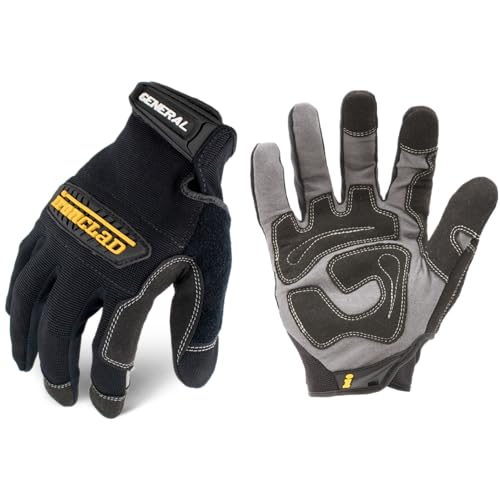 Ironclad GUG-04-LDouble-stitched shop glove
Why there is no single answer
Makers do not publish a lifespan for work gloves, and none of the specifications we compare list one. That is because two people can buy the same pair and wear them out at very different speeds. A weekend DIYer who changes oil a few times a year and a technician who wears gloves all shift are asking different things of the same stitching.
So the useful question is not how many months a pair lasts. It is whether the pair in your hands can still do its job: grip, pad, and protect. This guide shows you how to judge that, and how to slow the wear down.
If you are still choosing a pair, our best mechanic gloves comparison lines up palm material, padding, fingertip reinforcement and washability so you can pick one built for your kind of work.
What wears gloves out fastest
Most damage comes from a handful of causes. Knowing them helps you predict where a pair will fail first.
- Abrasion: sliding your palm and fingertips over rough metal, concrete or tools wears down the surface layer.
- Solvents and oils: brake cleaner, fuel and heavy grease can break down coatings and stitching glue over time.
- Heat and sharp edges: hot exhaust parts, burrs and cut metal can melt or slice material in one moment.
- Repeated washing with hot water or harsh detergent: this can shrink synthetic leather and weaken seams.
- Poor fit: gloves that are too tight stress the seams at the fingers, while loose ones bunch and rub through at the folds.
Signs it is time to replace them
Go through the pair the same way each time. Turn the glove inside out if you can, and look at the high-contact areas first: the fingertips, the thumb and index finger crotch, and the palm heel.
Replace the pair when you see any of these:
- Holes or thin, shiny patches in the palm or fingertips, where you can see skin or the lining through the material.
- Open seams, especially at the fingertip or between the fingers. A small gap grows fast.
- Peeling or cracking on the palm surface, or a coating that has worn off so tools feel slick.
- Flat, hard or crumbling padding. If the palm foam no longer springs back, it is not absorbing much vibration.
- Torn or crushed knuckle guards, or guards that have come loose from the back of the hand.
- A hook and loop strap that no longer holds, or an elastic cuff that has gone slack and lets the glove slide.
- Stiffness or stains from oil or solvent that do not wash out and change how the material feels.
How long it takes to break in a glove
Most mechanic style gloves with synthetic leather palms and a stretch back need very little break in. They are cut to fit close, so they feel snug on the first wear and relax slightly as the material warms and flexes with your hands. For most people this settles after a few uses.
Heavier gloves with thicker padding, such as a model with 2mm D3O palm padding and welded TPR knuckles, can feel stiffer at first. That is the padding, not a defect. Wear them for easy tasks first and let them flex before you rely on them for precise work.
Do not confuse break in with a poor fit. If the fingertips are bunching, the seams dig in, or the glove slips on the wrist after a few uses, it is the wrong size or cut, and more wear will not fix it.
Care habits that stretch the life
Cleaning matters because grit and oil work into the material and wear it from the inside. Check the care label first. Several gloves in our comparison are listed as machine washable, and others give no washing information at all, which leaves you guessing.
One listing for a synthetic leather glove advises washing in cool water and air drying to keep the glove close to its original size. That is a sensible habit for most synthetic gloves. Avoid hot dryers, which can shrink and stiffen the material.
Beyond washing, a few simple routines help:
- Rotate between two pairs so each one dries fully between jobs.
- Use a dedicated pair for solvents and harsh chemicals, and keep your better pair for general work.
- Do not use gloves near rotating tools like drills or bench grinders where they can catch and pull your hand in.
- Store them flat and dry, away from heat, sunlight and fuel.
What to expect by glove type
Different constructions fail in different places. This table gives a general guide to where to look first, based on the glove features in our comparison.
Light coated knit gloves are thin and low in weight, and one listing in our data is a 12-pair pack of polyurethane coated nylon gloves that the maker says is not for heavy oily or wet work. Packs like that suit a quick swap approach, where you replace pairs as the coating wears.
| Glove type | Where it usually fails first | What to check |
|---|---|---|
| Synthetic leather with foam knuckles | Palm surface and fingertips | Thin patches, peeling, flat foam |
| Reinforced fingertip gloves | Seams around the reinforcement | Open stitching at fingertip and thumb |
| Coated knit gloves | The coating on palm and fingers | Worn or sticky patches, loose knit |
| Heavy padded gloves with impact guards | Guard attachment and padding | Cracks in knuckle guards, compressed palm padding |
| Elastic cuff gloves | The cuff | Slack elastic that lets the glove slip |
When to replace sooner, for safety
Some jobs shorten a glove's useful life no matter how it looks. After contact with fuel, strong solvents or battery acid, retire the pair if the material has changed in feel or color. After any cut, burn or melt through the surface, replace it, since the weak spot will fail again.
Gloves also do not replace eye or hearing protection. Wear safety glasses when working under vehicles or with pressurized lines, and ear protection around impact tools. Keep long cuffs and loose straps clear of moving parts, and take gloves off for work near spinning machinery.
Knuckle foam and palm padding are meant for light impacts and vibration. They are not a substitute for a glove rated for the hazard you face. If a task involves heavy crushing or sharp metal, check that the maker lists the glove for that use.
Frequently asked questions
Should I replace both gloves if only one is worn out?
Usually yes. The pair has seen the same hours of use, so the second glove is often close behind. Buying a fresh pair also keeps the fit matched.
Can I repair a torn mechanic glove?
A small seam gap can be hand stitched with strong thread if you catch it early. Do not repair holes in the palm or fingertips on a glove you need for grip or protection. Replace it.
Do mechanic gloves shrink in the wash?
They can, especially with hot water or a hot dryer. Cool water and air drying are the safer choice, and always follow the care label.
Do Mechanix gloves last longer than other brands?
We compare published specifications, and none of them state a lifespan for any brand. Compare reinforcement, stitching and washability, then judge by condition.
Is it worth keeping a spare pair?
Yes, if you wear gloves often. A spare lets one pair dry fully and gives you a clean backup when the first pair gets soaked in oil.