How Long Do F Clamps Last and How to Store Them?
A well-made steel F clamp can last for many years in a home shop, and often outlasts the projects it is used on. Wear comes from rust, glue, bent bars and worn plastic parts, not from age alone. Keep clamps clean and dry, and store them hanging or supported so the bars stay straight.
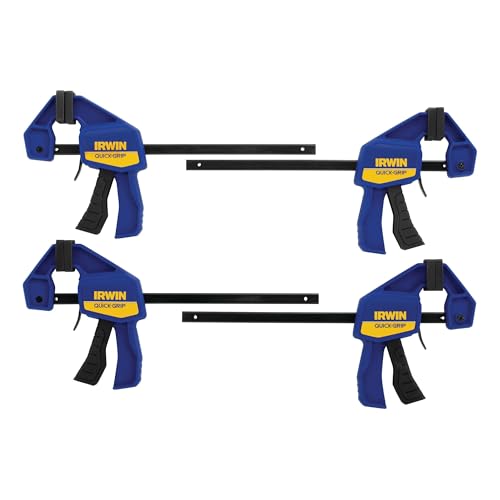 IRWIN 1964758Lightest listed clamp
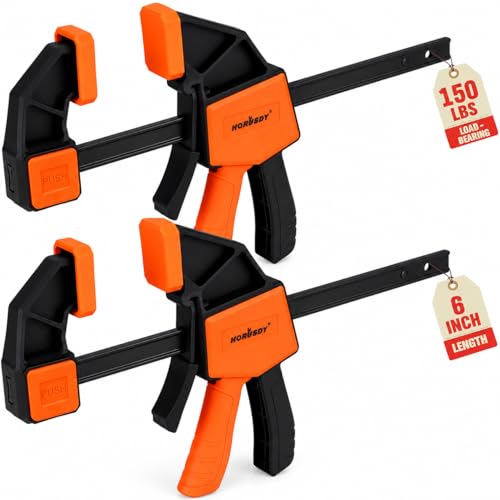 HORUSDY 88026Spreader in a two-pack
 Jorgensen 93424ALong reach, 24 in opening
What decides how long an F clamp lasts
There is no fixed lifespan for an F clamp. Life depends on the materials, how hard the clamp is pushed, and how it is kept between jobs. A clamp that is cleaned and stored dry can stay in service for a long time. One that sits in a damp garage covered in dried glue may fail early.
Most F clamps are a steel bar with a fixed jaw, a sliding head and a screw or trigger. The bar and the moving head take the most stress. The handles and pads are usually plastic or resin, so they tend to wear out sooner than the steel does.
Our published spec data shows the range of builds. The IRWIN 1964758 uses hardened steel bars with resin handles. The Jorgensen 93424A uses a plated high-carbon steel bar with a glass-filled nylon handle. The CRAFTZONE 36 in parallel clamp lists a carbon steel bar. We compare published specifications, so treat these as material notes, not proof of how long any clamp will last.
Where wear shows up first
Knowing the weak points helps you decide whether a clamp is still worth using. Check these areas first:
- Soft jaw pads: they flatten, crack or fall off, and then they can mark your wood.
- Bar surface: rust and dried glue make the head slide roughly or stick.
- Sliding head: a trigger head that no longer holds, or slips under load, needs attention.
- Bar straightness: a bent or bowed bar gives uneven pressure across a joint.
- Screw threads on screw-type clamps: grit and glue make them gritty or hard to turn.
- Plastic handles and bodies: look for cracks, especially near the bar.
A simple care routine
Most of the work is small and quick. Doing it after each glue-up costs a minute or two and prevents the most common problems.
Wipe off wet glue right away if you can. If it has dried, scrape it off gently with a plastic scraper or a wood chisel held flat, and avoid gouging the bar. Never use a damaged bar that has been filed or ground thin.
- Wipe the bar and screw clean after use.
- Remove dried glue from the bar, jaw faces and pads.
- Dry the clamp fully if it got wet.
- Rub a light coat of paste wax or a thin machine oil on bare steel and screw threads, then wipe off the excess.
- Release trigger clamps fully so the spring and head are not left under tension.
- Look over the pads and handle for cracks before you put the clamp away.
Good ways to store F clamps
Storage matters as much as cleaning. Clamps tossed in a bin can bend, scratch each other and trap moisture. A good storage method keeps bars straight, keeps clamps dry and lets you grab the size you want without digging.
The main goals are to get clamps off the floor, keep them away from damp walls and sort them by length. Here is how the common options compare.
| Storage method | Works well for | Watch out for |
|---|---|---|
| Wall-mounted rack with a ledge | Long bars and mixed sizes | Long bars can slide off a single rail |
| Pegs or dowels in a board | Short and medium clamps | Pegs must be strong enough for the weight |
| Pipe or rod through a bar hole | Clamps with a hole in the bar end | Not all bars have a hole, so check yours |
| Cart or rolling rack | Large collections and small shops | Takes floor space |
| Closed drawer or tool bin | Small trigger clamps | Clamps can tangle, so sort them by size |
How to hang F clamps
Hanging is the most popular method, and for good reason. It keeps the bars off the floor, lets air move around the steel and shows you what you have at a glance.
The simplest setup is a board screwed to wall studs with the clamps resting on top of it by the bar. For longer clamps, add a second board below the first. That gives the bar two points of support so it cannot wiggle off and fall. Leave enough gap for the fixed jaw and handle to hang free.
- Find the studs and fasten the rack into them, not just into drywall.
- Space the supports to suit your longest clamp.
- Hang clamps with the head facing the same way so they nest neatly.
- Group by length, with short clamps at one end and long ones at the other.
- Keep the rack at a height where you do not have to lift heavy clamps overhead.
Weight and safety when you hang clamps
Weight adds up quickly on a rack. The IRWIN 1964758 lists 0.25 lb per clamp, so a handful is easy to hang. The IRWIN 1964720 24 in clamp lists 1.85 lb each. A rack of long clamps can weigh much more than you expect, so use solid fasteners.
For safety, mount racks so that nothing is hung where it can drop on your feet or head. Do not stand on a stool or chair to reach high clamps. Use a stable step stool, or better, hang the clamps at chest height. Wear safety glasses when you scrape glue or file burrs, and wear gloves if the bar has a sharp edge.
When to retire or replace a clamp
Retire a clamp when it is no longer safe or accurate. A bent bar, a cracked body, a head that slips under load or threads that are stripped are all good reasons. A clamp under heavy force can slip or break suddenly, which can hurt you or ruin the work.
Some parts are cheaper to fix than the whole clamp. Replacement pads or jaws can bring a clamp back to good use if the bar and head are sound. When you do need new ones, our best f clamps comparison shows jaw opening, clamping force and materials on one spec sheet, which makes it easier to match a clamp to your work.
If you are choosing between light trigger clamps and heavier screw or parallel types, see how the force and throat depth figures differ. Heavier jobs such as hardwood glue-ups need more force than trim work, so the right clamp for the task also helps it last, because you will not be overloading it.
Frequently asked questions
Can I use WD-40 or oil on a clamp bar?
A light film of oil or wax on bare steel helps stop rust. Wipe off the excess, because oil left on the bar can stain wood and interfere with glue.
Is surface rust a reason to throw a clamp away?
Not usually. Light rust can be rubbed off with fine abrasive pad and the bar can then be waxed. Deep pitting or a weakened bar is a different matter.
Should I store trigger clamps tightened or loose?
Store them released. Leaving a clamp under tension can strain the head and spring over time.
Does storing clamps in a garage cause problems?
Damp is the main concern. Keep clamps off the floor and away from outside walls, and check them for rust more often in humid weather.