How Long Do Dust Collectors and Filters Last?
A well-built dust collector motor and housing can often run for many years with basic care, while the filter is the part that wears out first. Filters commonly need cleaning every few weeks to months and replacement somewhere between several months and a few years, depending on the dust you make and how often you run the machine. Watch for weak suction and visible damage rather than relying on a fixed date.
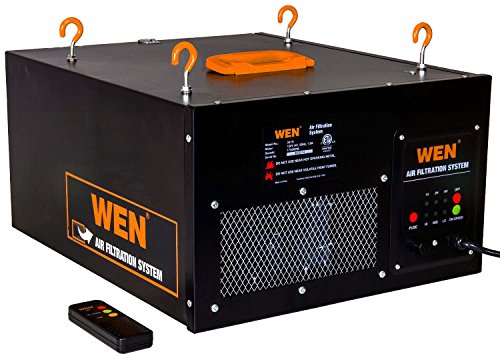 WEN 3410
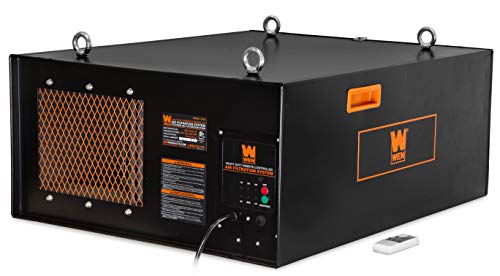 WEN 3417
 WEN DC1300Best overall
The short version: machine vs. filter
Think of a dust collector as two parts with very different lifespans. The motor, impeller, and housing are mechanical parts that tend to last a long time when they are kept clean and not overloaded. The filter is a consumable. It traps fine dust for a living, so it gradually clogs or wears out.
There is no single number that fits every shop. A hobbyist who runs a collector a few hours a week will see a very different timeline than someone running it all day. The same goes for the material: coarse chips from a planer are easier on a filter than fine sanding dust.
The rest of this guide explains what drives wear, how to spot trouble early, and how to stretch the life of both the machine and its filter.
What affects how long a filter lasts
Filters do not wear out on a calendar. They wear out based on how much dust passes through them and what kind it is. These are the biggest factors:
- Dust type: fine, powdery dust (sanding, MDF) blinds a filter faster than larger chips and shavings.
- Run time: more hours of use means more dust loaded onto the media.
- Moisture and sticky material: damp or resinous dust can cake onto the filter and is harder to clean off.
- Filter type: pleated cartridges, felt bags, and bags with a cleaning mechanism all behave differently.
- Cleaning habits: regular, gentle cleaning keeps airflow up and reduces strain on the filter and motor.
- Pre-separation: a cyclone or separator stage in front of the filter keeps most debris out of it.
Typical timelines to expect
Published maintenance guidance for dust collection varies widely, which is honest reflection of how different shops are. Treat the table below as a rough planning guide, not a guarantee. Your manual and your own observations matter more than any general range.
Light home shop use usually sits at the long end of each range. Daily, heavy use with fine dust sits at the short end.
| Part | General expectation | What shortens it |
|---|---|---|
| Motor and impeller | Many years with routine care | Overloading, clogged filter, heat, no dust protection for bearings |
| Housing and hoses | Many years | Cracks, loose clamps, impact damage |
| Pleated cartridge filter | Months up to a year or more | Fine dust, damp dust, harsh cleaning |
| Felt or fabric bag filter | Often longer than cartridges with good care | Tears, moisture, skipping cleaning |
| Collection bag or bin | Replace when worn or torn | Overfilling, sharp debris |
Signs it is time to clean or replace
Your collector will usually tell you when something is wrong. Suction drops, dust shows up where it should not, or the motor sounds like it is working harder.
Cleaning and replacing are different steps. A filter that is merely loaded with dust often recovers after proper cleaning. A filter that is torn, stiff, stained through, or still weak after cleaning is done.
- Suction at the tool is noticeably weaker than it used to be.
- Fine dust leaks out of the exhaust or settles on nearby surfaces after you run the machine.
- The filter has holes, frayed seams, crushed pleats, or a deformed shape.
- The media looks glazed or stays caked with dust after cleaning.
- The motor runs hot, sounds strained, or trips protection more often.
- A gauge, if your model has one, shows high resistance even right after cleaning.
How to make filters and collectors last longer
Most of the gains come from simple habits. Keeping airflow clear protects the filter and the motor at the same time.
Here is a basic routine you can adapt to your shop:
- Empty the bin or bag before it is full. A packed bin chokes airflow and sends more fine dust to the filter.
- Use a separator or cyclone stage ahead of the filter if your setup allows it.
- Clean the filter on a regular schedule using the method your manufacturer recommends, such as a built-in paddle, gentle tapping, or soft brushing.
- Avoid compressed air at high pressure on pleated media, which can damage it.
- Keep the filter dry and avoid pulling in damp or sticky material.
- Check hoses, gates, and clamps for leaks and blockages.
- Store the machine in a dry spot away from heavy temperature swings.
Safety notes
Fine wood dust is a health concern, and a worn filter can let it back into the air you breathe. Wear a properly rated respirator when emptying bins and cleaning or changing filters, and consider eye protection too. Run the collector with the filter fully installed and sealed.
Always unplug the machine before opening it, touching the impeller, or removing the filter. Spinning parts and electrical components are dangerous. Fine dust can also ignite under the wrong conditions, so keep the collector away from sparks, grinders, and open flames, and keep the area tidy. Hearing protection is smart too, since many collectors are loud during long sessions.
Replace the filter or replace the collector?
If cleaning restores strong suction, you may only need a fresh filter now and then. A new filter is usually the sensible fix when the motor still sounds smooth and the housing is intact.
It may be time to look at a new machine if the motor is failing, the impeller is damaged, parts are no longer available, or the collector no longer matches the size of your shop. If you are comparing options, our guide to the best dust collector for small shop shows how published specifications line up side by side.
Before you buy, check that replacement filters for the model are easy to find. A collector with a good supply of compatible filters is easier to keep running over the long term. You can also use our small shop comparison to see which designs include features like a pre-separator or an easy-clean filter.
Frequently asked questions
Can I wash a dust collector filter?
Only if the manufacturer says that model allows it. Some filters are made for washing, but many pleated paper-style cartridges can be damaged by water. Follow your manual, and let the filter dry fully before use.
Does a bigger filter last longer?
Often, yes. More filter surface area spreads the dust over more media, so airflow stays good for longer between cleanings. Dust type and cleaning habits still matter a lot.
Why is my suction weak after I put in a new filter?
Look for other restrictions first. A full bin, clogged hose, closed blast gate, or air leak can all cut suction. A cracked hose or loose clamp is a common culprit.
Should I keep a spare filter on hand?
A spare can be handy if you use your collector heavily, because you can swap in a clean one while the other is cleaned and dried. It is less important for light, occasional use.