How Long Do Crowbars Last and How to Keep Them in Shape
A well-made steel crowbar can last for many years, and a forged one-piece bar used only for prying can outlast many other tools in your kit. Rust, misuse and heavy overloading end a bar's life far sooner than normal wear. Keep it dry, clean and used within its limits, and check it for bends and cracks before each job.
 Titan 11509Lightest in the lineup
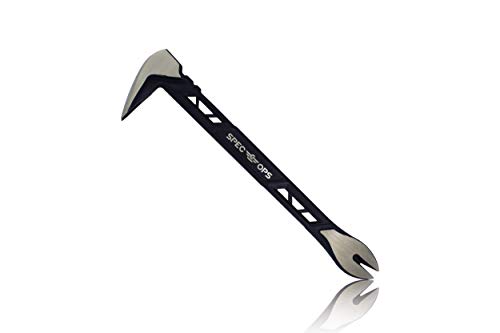 Spec Ops SPEC-D10CLAWBest for pulling nails
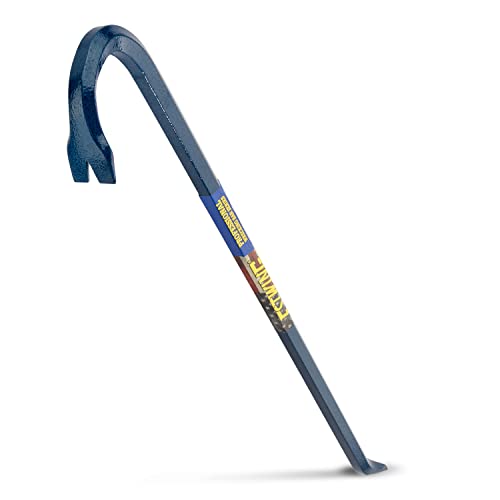 Estwing EWB-30Classic forged gooseneck
What decides how long a crowbar lasts
There is no fixed lifespan for a crowbar. A simple steel bar has no moving parts, so it rarely wears out the way a power tool does. What matters is the steel, how the bar is built, and how you treat it.
Build is the biggest factor. A forged one-piece bar has no joints to loosen or break when you lean on it or strike it. Several bars on our best crowbar page list this spec, including the Estwing gooseneck models and the Olympia wrecking bar. Estwing describes its forged bars as made from a single piece of solid steel.
Material and finish come next. Carbon steel is strong but can rust if it stays damp. Stainless steel resists rust, though a small stainless scraper bar is built for light work, not heavy leverage. A paint, enamel or powder-coat finish slows rust but will chip where the bar takes abuse.
What wears a crowbar out
Most crowbars do not wear out from normal prying. They fail because of a few common problems. Knowing them helps you avoid them.
Rust is the slow threat. A bar left in a damp truck bed, a basement or a humid shed can develop surface rust, then pitting. Pitting weakens the steel and makes the bar rougher on your hands and on the work.
- Rust and pitting from moisture and stored dirt.
- Bending from slipping a pipe over the handle for extra leverage, or from using a bar that is too short or thin for the load.
- Chipped or mushroomed ends from striking a bar that is not meant to be hit.
- Worn claws and slots from pulling hardened nails and spikes over and over.
- Cracks near the bend or neck, where stress builds up.
How to keep a crowbar in shape
Care is simple and takes only a few minutes. The goal is to keep the bar dry, clean and free of burrs.
After a job, wipe off dirt, mortar, sap and adhesive. A stiff brush works on caked-on grit. Dry the bar fully before you put it away, since trapped moisture is what starts rust.
Then apply a thin film of light machine oil or a rust-preventive spray, and wipe off the excess so the handle is not slick. Pay extra attention to slots and claws, where moisture hides.
Store the bar somewhere dry and off the floor. A wall hook or a tool rack works well. Avoid leaving it in a vehicle or an outdoor shed through wet weather.
- Wipe it clean and dry after each use.
- Add a light coat of oil to bare steel.
- Hang it or lay it flat in a dry spot.
- Remove small rust spots early with a wire brush or fine abrasive pad, then re-oil.
- Touch up chipped paint on coated bars to seal exposed steel.
Care by bar type
Different bars need slightly different attention. The table below uses the materials and finishes listed for a few bars on our comparison page.
If you are still choosing a bar, the same page lets you compare length, weight and material side by side. Our guide to the best crowbar options covers that in more depth.
| Bar | Listed material and finish | Length | Care focus |
|---|---|---|---|
| Titan 11509 scraper | Stainless steel, corrosion protection listed | 9.25 in | Keep the scraper edge clean and dry; avoid heavy leverage |
| Estwing EWB-30 | Solid steel, forged one piece | 30 in | Oil bare steel and check the hook end and neck |
| Olympia Tools 87-731 | Forged carbon steel, powder-coated finish | 18 in | Touch up chipped coating and keep the claw clean |
| STEELHEAD 15 in flat bar | Heat-treated carbon steel, enamel finish | 15 in | Clean the nail slots and watch the finish for chips |
| Mayhew Dominator Pro | Hardened and tempered alloy, corrosion protection listed | 58 in | Check the strike cap and curved blade for damage |
When to retire a crowbar
A crowbar is cheap insurance only while it is sound. A damaged bar can slip or snap under load, which can injure you or damage the work.
Inspect the bar before each use. Look along its length for bends, check the neck and bend for hairline cracks, and look at the ends for chips or mushrooming. Run a gloved hand over the surface to feel for deep pits.
Do not try to straighten a bent bar or weld a cracked one. Heating or reshaping it can change how the steel was heat-treated and make it brittle. Replace it instead.
A warranty can help if a bar fails early. Our data shows Spec Ops listing a limited lifetime warranty on its 30 in demo bar, and STEELHEAD listing lifetime US-based support. Read the terms on the listing, since warranties usually cover defects and not misuse.
Safety notes
Wear safety glasses or goggles whenever you pry, pull nails or strike a bar. Chips of steel, nails and debris can fly without warning. Wear gloves to protect your hands from sharp claws and splinters.
Only strike a bar that is built for it. Some listings mention a strike cap or strike zones, and these are the exceptions. If you do strike one, add hearing protection for repeated blows.
Keep your body out of the line of travel. A bar can slip suddenly, so brace your feet and pull toward a stable position. Before you pry near wiring or pipes, shut off the power and water, and never pry into a wall where you suspect live wires.
If you work from a ladder or roof, secure your footing first. Leverage can throw you off balance. Some bars, like the Spec Ops 10 in cat's paw, list compatibility with a retention lanyard, which helps if you drop the tool from a height.
Frequently asked questions
Does a heavier crowbar last longer?
Not always. Weight adds force, but lifespan depends more on steel quality, forged construction and care. A lighter bar used within its limits can outlast a heavy one that is abused.
Can I use a pipe on the handle for extra leverage?
It is better not to. A pipe extension multiplies the force well past what the bar was designed for and can bend or snap it. Choose a longer bar for the job instead.
Is surface rust a reason to throw a crowbar away?
Light surface rust is usually cosmetic. Remove it with a wire brush, oil the bar and keep it dry. Replace the bar if deep pitting or cracks appear.
Do stainless bars never need care?
Stainless steel resists rust better, but it still benefits from being cleaned and dried. Small stainless bars are also built for light prying and scraping, so keep them out of heavy jobs.