How Sump Pumps Work: A Simple Explanation
A sump pump sits in a pit at the lowest point of a basement or crawl space. When groundwater fills the pit and lifts a switch, the pump turns on and pushes the water out through a pipe to a spot away from your house. When the water level drops, the switch shuts the pump off again.
 Wayne CDU790Best overall
 Acquaer AUPBest electronic switch
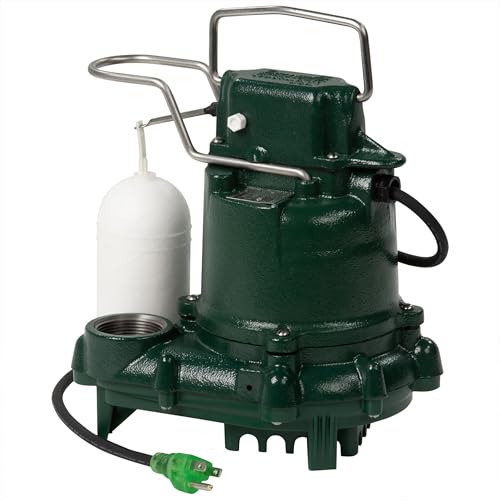 Zoeller 53-0001Best cast iron pump
What a sump pump system is for
Water collects around and under a foundation after heavy rain or snow melt. Without somewhere to go, it can seep through the floor or walls. A sump system gives that water a path: a pit collects it, and a pump moves it outside.
That is why people use one in a basement that has a dry floor today but a history of dampness. The pump only runs when it needs to, so most of the time it sits quietly in the pit and does nothing.
The parts of the system
If you picture a simple diagram, you would see a hole in the floor with a pump standing in it and a pipe rising out of it. Each part has a job.
- Sump pit (basin): a hole in the lowest part of the floor that collects water. Drain tiles or natural seepage feed it.
- Pump: a sealed motor in a housing that sits in the pit. Most home pumps are submersible, meaning they work underwater.
- Switch: a float or an electronic sensor that detects the water level and starts and stops the motor.
- Discharge pipe: the pipe that carries water up and out of the house, usually to a spot away from the foundation.
- Check valve: a one-way valve on the pipe that stops water from flowing back into the pit when the pump shuts off.
What happens when the pit fills
The cycle is simple and repeats on its own. Here is the order of events:
- Groundwater drains or seeps into the pit and the water level rises.
- The water lifts a float, or an electronic sensor detects it, and the switch closes the circuit.
- The motor spins an impeller, a small fan-like part inside the pump housing.
- The impeller flings water outward by centrifugal force, which builds pressure and sends the water up the discharge pipe.
- The check valve holds the water in the pipe once the pump stops, so it does not fall back into the pit.
- As the level drops, the float lowers or the sensor reads dry, and the pump shuts off.
Float switch or electronic switch
The switch is the part most likely to cause trouble, because it has to work every time. A float switch rises with the water, like a boat on a tide. A vertical float moves straight up and down on a rod, which suits a narrow pit. A tethered float swings on a cord and needs more room to move freely.
An electronic sensor has no moving float. It detects water and switches the pump on and off. Our best sump pump page lists both styles. For example, the Wayne CDU790 uses a vertical float, and the Acquaer AUP uses an electronic sensor.
If you have a small pit, check the switch type before you buy. A float that snags on the pit wall or the pipe can leave the pump stuck on or stuck off.
Flow and lift: the two numbers that matter
Flow is how much water a pump moves, usually in gallons per hour (GPH). Lift, also called head, is how high the pump can push water. Flow drops as the water has to climb higher, so a pump's top flow figure is not what you get at the top of your pipe. Measure the vertical distance from the pit to where the pipe exits, then check the pump's performance at that height.
Here is how a few pumps on our comparison page line up, using published specs. A dash means the spec is not listed.
Housing material also matters. Cast iron and epoxy-coated steel handle motor heat and years of sitting in water well. Thermoplastic is lighter and often suits utility work such as draining a flooded room, a hot tub or a pool cover. For a permanent basement pump, our best sump pump page leans toward the sturdier materials.
| Pump | Switch | Max flow (GPH) | Max lift (ft) | Housing |
|---|---|---|---|---|
| Wayne CDU790 | Vertical float | 4600 | 20 | Epoxy-coated steel |
| Zoeller M53 | Float (per listing) | 2580 | 19.25 | Cast iron |
| Acquaer AUP | Electronic sensor | 2160 | - | Thermoplastic |
| Liberty 237 | Vertical float | - | - | Aluminum |
Solids, clogging and suction
Small stones, silt and grit can find their way into a pit. A pump that cannot pass them can clog or wear out early. The Zoeller M53 lists 2 in solids handling, while the Liberty 237 lists 3/8 in. Some thermoplastic utility pumps list 1/8 in or less, which is fine for clean water but not for a gritty pit.
Suction position also matters. The Wayne CDU790 draws water from the top, which its listing says helps avoid air lock and limits clogging from debris at the bottom of the pit. Bottom-suction pumps can drain water to a lower level, which is useful for flood cleanup, but they pull in more of what settles on the pit floor.
Safety and basic upkeep
A sump pump mixes water and mains electricity, so take care. Unplug the pump or switch off its circuit before you touch it, and never reach into a pit while the pump is plugged in. Use a grounded outlet, and ask an electrician about ground fault protection if you are unsure. If the pit area is flooded and the outlet is wet, do not go in. Call a qualified electrician.
A pump that sits unused for months can fail when you need it most. A simple routine helps:
- Pour a bucket of water into the pit and watch the pump start, run and stop.
- Make sure the float moves freely and does not touch the pit wall.
- Clear debris from the pit and any intake screen.
- Check that water leaves the discharge pipe and drains away from the house.
- Consider a battery backup, because storms can knock out power just when the pit fills.
Choosing the right pump
Start with how the pump will be used. For a permanent basement pit, pick a sump pump with an automatic switch that fits your pit, enough flow at your discharge height, and a sturdy housing. For occasional draining of a flooded space, a light utility pump may be enough.
Our best sump pump page compares these pumps on one spec sheet, including a pick with battery backup. Compare the specs against your own pit size and pipe height before you decide.
Frequently asked questions
Does a sump pump run all the time?
No. It runs only when the water in the pit reaches the switch level. During a dry spell it may not run for weeks.
Why does my sump pump run but move little water?
Common causes include a clogged intake, a blocked or frozen discharge pipe, or a stuck check valve. Unplug the pump before you inspect it.
Where should the discharge pipe empty?
Send it well away from the foundation, so the water does not run back toward the house. Local rules may limit where you can discharge, so check them first.
Can a sump pump handle sewage?
No. A standard sump pump is built for groundwater and small particles. Sewage needs a different type of pump made for solids.