How Do I Open a Locked Gate? Safe Ways to Get Through
First, make sure the gate is yours to open. Then work out what is holding it shut, because a latch, a padlock, a keyed lock and an electric gate each need a different approach. Try the gentle options first, such as a key, a code, a release lever or a small adjustment, and cut or remove hardware only as a last resort.
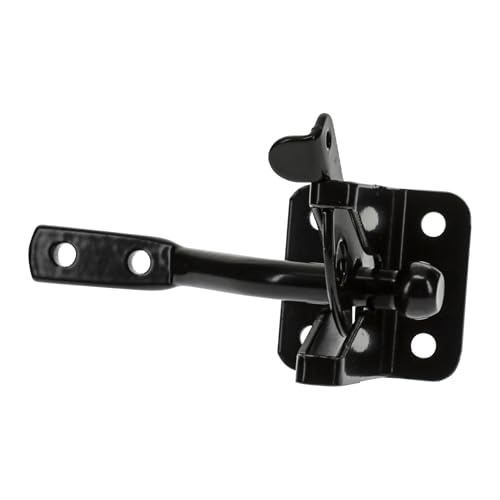 National Hardware N184-861Best overall
 HTHOOOOOME N-Gate Latch-1Flexible swing and mounting
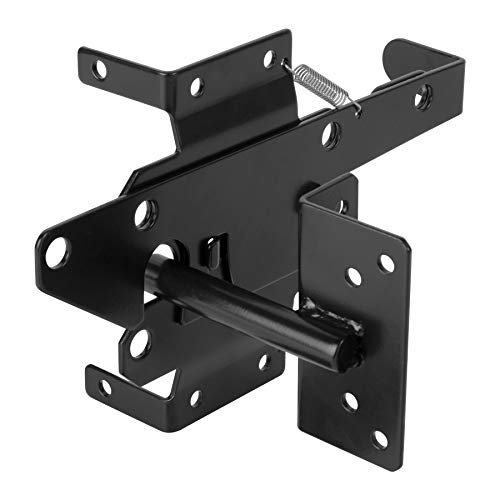 HILLMASTER 0011Full-size with 12 screws
Make Sure the Gate Is Yours to Open
This guide is for gates on your own property, or gates you have permission to open. If the gate belongs to a neighbor, a landlord, a business or a community, ask the owner or manager first. Forcing someone else's lock can damage property and may break the law.
If you are locked out of a rented home or a shared space, contact the landlord, property manager or HOA. They often hold a spare key or code. A locksmith can also open many locks without damage, and most will ask you to show that you live there.
Work Out What Is Holding the Gate Shut
Many gates that seem locked are only latched, jammed or blocked. Take a minute to look at the hardware before you try anything else. The table below lists the usual culprits and the first thing to try.
| What you see | What it usually is | First thing to try |
|---|---|---|
| A lever or bar that drops into a catch | Gravity latch | Lift the lever, or use the pull string or wire if one is fitted |
| A padlock through a hasp or chain | Padlock | Key, combination, or a spare held by a family member or the seller |
| A keyed cylinder in the gate or post | Keyed gate lock | Spare key, then a locksmith |
| A sliding bar or bolt | Slide bolt | Reach it from the other side, or check for a padlock through it |
| A keypad, remote or motor on the gate | Electric gate | Code, remote, then the manual release |
| Gate moves a little but will not open | Jammed or sagging gate | Lift the gate, clear debris, check hinges |
Opening a Latched Gate Without a Key
Most garden and fence gates use a simple latch, not a true lock. A gravity latch drops into place each time the gate closes, so it keeps pets and children in but does not need a key. Lifting the lever releases it.
If the lever is on the far side of the gate, the fix is usually easy. Reach over the top, if the gate is low and the fence is safe to lean on, and lift the lever by hand. Some latches, such as the HILLMASTER 0011, can also be operated with a pull string, which is handy when you cannot reach the lever from outside.
If a latch will not release, check these things in order:
- Look for a padlock or pin through the latch. Some people add one for extra security, and the latch will not move while it is in place.
- Check the gate swing. A latch listed for outswing gates only, like the National Hardware N184-861, will not work properly if the gate swings the other way.
- Press the gate gently toward the latch while you lift the lever. Pressure from a gate that has shifted can pin the bar in place.
- Spray a little lubricant on a stiff or rusty pivot, wait a moment, then try again.
- Look for dirt, leaves or ice in the catch that stop the bar from lifting.
If a Padlock Is the Problem
Start with the easy answers. Check your keys, think about who else might have a spare, and look at any paperwork that came with the lock. Many combination padlocks come with a reset or recovery process through the maker, so check the packaging or the maker's site.
If you own the padlock and cannot recover the key or code, cutting it is the usual last resort. A bolt cutter sized for the shackle will do the job on many padlocks. Hardened shackles can resist small cutters, so match the tool to the lock.
Safety matters here. Wear safety glasses, because broken metal can fly off when a shackle snaps. Wear work gloves, and keep your fingers clear of the jaws. If you use an angle grinder instead, add hearing protection, keep sparks away from dry grass and anything flammable, and hold the tool with both hands. Do not grind a lock that someone is holding.
Once the lock is off, replace it before you leave the gate unsecured. A padlockable latch gives you a spot to add a new one. Padlocks are not included with latches like these, so plan to buy one separately.
Electric and Automatic Gates
Electric gates add a motor, and a motor adds risk. Never force an electric gate open with the power on, because the drive can pull the gate back or crush a hand or arm. Turn the power off at the switch or breaker first if you plan to handle the gate directly.
Most motorized gates have a manual release, often a key switch or lever on the motor housing. Check the owner's manual for its location and the right way to use it. If the manual release is also locked and you cannot find the key, call the installer or a licensed gate technician.
Do not open any motor housing or touch wiring unless you know how to work safely with electricity. A wet or damaged unit can be dangerous.
When the Gate Is Stuck, Not Locked
A gate that will not move may not be locked at all. Wood swells in damp weather, hinges loosen, and posts can lean over time. Look at the bottom corner, where a sagging gate often scrapes the ground or catches on gravel, roots or a fallen branch.
Lift the gate slightly by the latch end while you pull or push. If it moves, the hinges or post probably need attention. Tighten loose screws, and replace stripped ones with longer ones. If you need a ladder to reach a high hinge or the top of the gate, set it on firm, level ground and ask someone to steady it.
If the gate is heavy, get a second person to help. A gate can swing back or come off its hinges when it moves suddenly.
Avoid Getting Locked Out Again
The simplest fix is hardware you can open from both sides. A latch with a lever or pull on each side means you never have to climb or reach around. Our best gate latch to open from both sides page compares options so you can match a latch to your gate.
If you want a latch that holds the gate shut and still takes a padlock, our best gate lock page lists latch type, material, length and gate compatibility side by side. Check swing direction first, then finish, then whether screws are included.
Finally, keep a spare key or the code somewhere safe, such as with a trusted neighbor or in a locked indoor spot. Write down which key fits which lock, and mark padlocks with a tag if you have several.
Frequently asked questions
Can I open a gate lock without a key?
On your own gate, yes. Check for a combination, a spare key or a code first. If none exists, cut the padlock with a bolt cutter while wearing eye protection, or call a locksmith.
Why won't my gate open even though it is not locked?
It is probably jammed. Swelling wood, sagging hinges, debris under the gate or a latch under pressure from the gate can all hold it shut. Lift the gate slightly while you release the latch.
Should I call a locksmith or do it myself?
Call a locksmith for a keyed cylinder or a high-security lock, and call a gate technician for an electric gate. A plain padlock or latch is usually a safe DIY job with the right tools and safety gear.
Does a self-latching gate latch need a key?
No. A gravity latch locks each time the gate closes and releases when you lift the lever. For real security, add your own padlock through a padlockable model.